
The Story
Why it exists.
The beginning
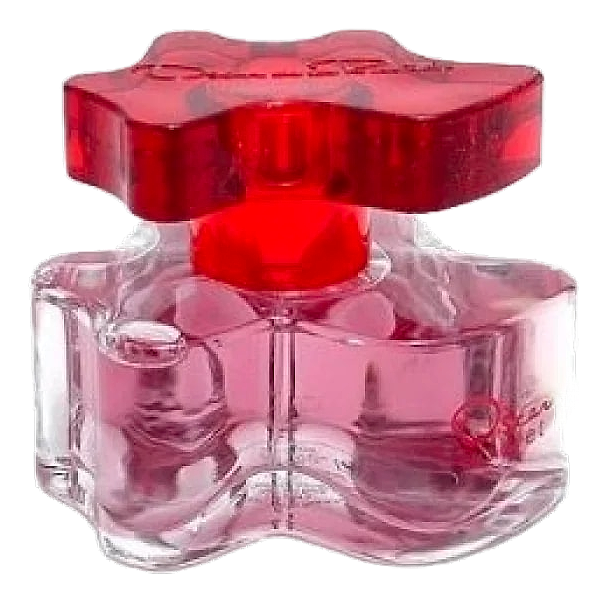
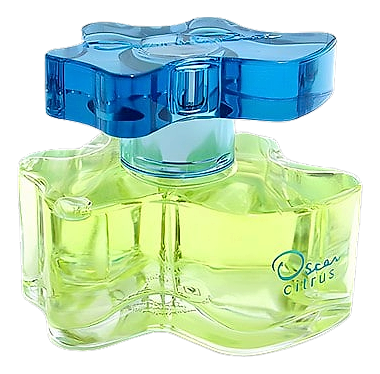
Oscar Citrus landed in 2005 as part of a house that understood exactly what it was. The original Oscar from 1977 set the tone, romantic, assured, worn by women who didn't need permission to be elegant. By 2005, the house had a clear identity and a loyal following. Oscar Citrus was the answer to a simple question: what happens when you take that sense of refinement and strip it back to something brighter? Less ceremony, same confidence. The name says it all.
The note structure is straightforward and intentional. Grapefruit and nectarine lead, not bergamot, not lemon, something rounder and slightly sweeter. The heart is a floral trio that leans soft: freesia adds a clean, almost soapy clarity; jasmine grounds it with warmth; peony keeps the whole thing from feeling too serious. Cedar and sandalwood in the base aren't there to overpower, they're there to make sure the florals don't disappear after an hour. The result is a fragrance that knows what it is and doesn't apologize for it.
The evolution
The opening hits quickly. Grapefruit and orange zest, sharp for about fifteen minutes before the nectarine rounds the edges. Then the florals take over, peony first, freesia following close behind. The handoff is smooth, no awkward gap where one accord dies before the next arrives. By the second hour, cedar and musk are doing the work, holding everything together. On skin, expect six to eight hours of presence. On fabric, it lingers longer, a ghost of citrus and powder on a shirt collar the next morning.
Cultural impact
Oscar Citrus occupies a particular space in the Oscar de la Renta lineup, not a signature scent, not a statement release, but a reliable everyday option for someone who wants the house's sense of refinement without the ceremony. The citrus-floral structure was common in the mid-2000s, but this one holds up better than most. It's the fragrance a woman reaches for when she wants something she can trust: fresh, composed, and unlikely to surprise her.