The Story
Why it exists.
The beginning
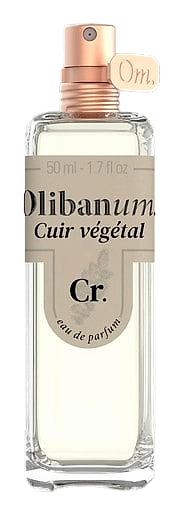
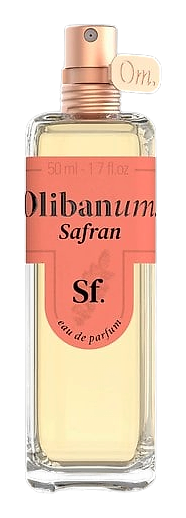
Safran arrived in 2022 under the Olibanum banner, composed by Céline Perdriel around the spice from which it takes its name. The brief was specific: let saffron carry the structure rather than play a supporting role, and build everything around that single center of gravity. What makes the composition succeed is how the supporting cast behaves. Frankincense arrives first, lending its resinous cool and a faint church-hush of incense that anchors the saffron's brightness without dulling it. The spice itself reads dry, almost leathery, less like threads soaking in warm milk and more like the brittle rust-red tips of the crocus flower dried in open air.
Saffron is a difficult material to build a fragrance around. It is volatile, metallic, almost bitter in concentration, and easily flattened by heavier base notes. Perdriel's approach here is smart: she lets frankincense share the opening weight, giving the saffron a resinous scaffolding that holds its shape. The tobacco and vanilla arrive later, softening the metallic bite without smothering it. The result is a composition where saffron reads as leathery and warm rather than threadbare or sharp. It is a study in how a single demanding ingredient can anchor an entire fragrance if the supporting cast knows when to step forward and when to vanish.
The evolution
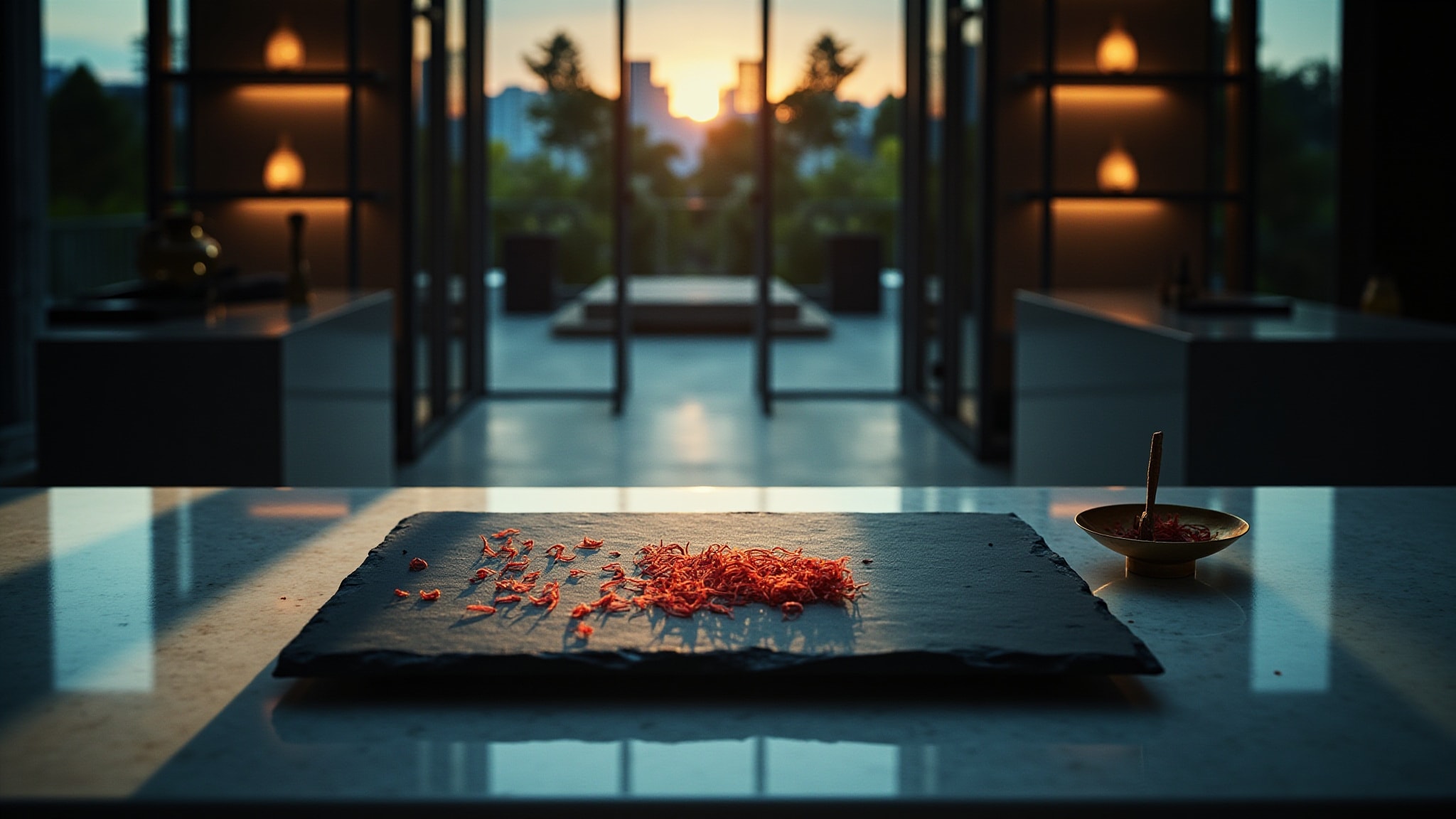
The first hour is all saffron, metallic and bright, sharpened by spice and undercut by frankincense's dry, incense-like haze. There is nothing cozy about this opening. It reads almost cold, like saffron threads laid on a stone surface. Around the two-hour mark, the composition shifts. The metallic edge dulls. Vanilla arrives, not as sweetness but as warmth, rounding the saffron's angles. Blond tobacco enters quietly, adding a dry, hay-like undertone that keeps the vanilla from becoming gourmand. By hour four, the saffron has receded into the background, and what remains is a soft, leathery tobacco-vanilla close with a persistent warm-spice hum underneath. On skin, it holds for six to eight hours. The next morning, what clings to fabric is the tobacco and vanilla, a faint, spiced shadow that smells like the afterimage of something you almost remember.
Cultural impact
Safran occupies a particular corner of the saffron-scented landscape, one where the spice is treated as a serious structural material rather than a decorative flourish. The fragrance leans into the drier, earthier facets of saffron: the papery, slightly metallic edge you get from high-quality threads, the faintly bitter undertone that good saffron carries when it's not been smoothed over by sweetness or excess. There's an austerity to the composition that feels intentional, a sense that the perfumer trusted the ingredient to hold attention on its own. The vanilla in the base is what keeps the whole thing wearable.