The Story
Why it exists.
The beginning
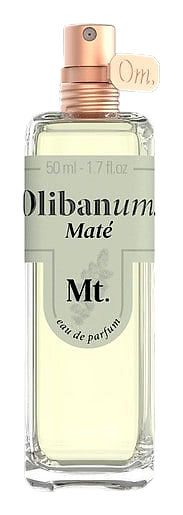
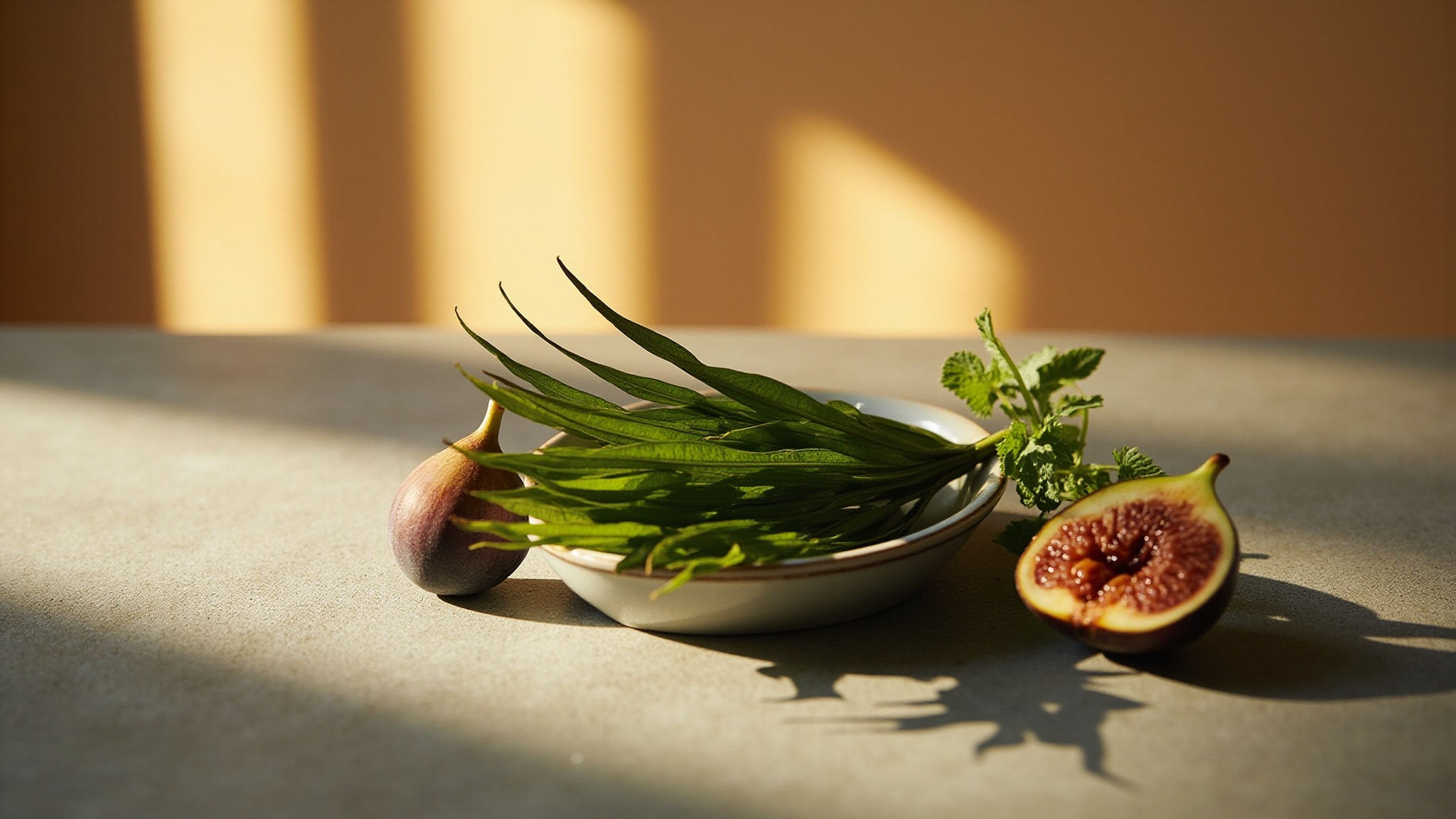
Maté takes its name from the South American herb used in yerba mate tea, a plant with a green, slightly bitter character that feels both familiar and exotic. The fragrance leans into restraint, building around a single botanical that doesn't require support from a long list of accords. It's a fragrance about clarity: honest, unadorned, clear about what it is and what it isn't. The mate note opens with a sharp, herbal brightness that feels like morning light cutting through green foliage. There's a natural bitterness there, the kind found in fresh leaves and stems, but it's not harsh or medicinal. Instead, it's clean and direct, a greenness that invites you in rather than pushing you away.
Maté is relatively uncommon in perfumery. Most tea notes tend toward green or black, but mate brings something different: a green bitterness, slightly astringent, that reads almost medicinal at first before softening. Combined with fig, fruity, slightly creamy, never sweet for its own sake, and mint, which threads through like cold water, the composition finds an unusual balance. It's fresh without being aquatic, green without being grassy, fruity without being sweet. The frankincense appears in the base, adding a quiet resinous warmth that extends the drydown without ever becoming heavy or smoky. This is a fragrance that earns its simplicity.
The evolution
The opening arrives green and immediate, mate's bitter, herbal character at its brightest. Within minutes, mint cuts through, cool and clean, like a breath of cold air. The fig takes longer to emerge, easing in around the thirty-minute mark, softening the green edges into something rounder. By the second hour, the composition has settled: mate and fig in quiet conversation, mint fading to a memory. The frankincense arrives last, a whisper of resin that stays close to the skin for the remaining hours. This is a fragrance that doesn't project so much as linger, the kind of presence you notice when someone leans in. The evolution moves from sharp herbal intensity toward a softer, more roundeddrydown where the bitter edge of mate gentles into the milky sweetness of fig, with the resinous whisper of frankincense adding depth without weight.
Cultural impact
Maté enters perfumery at a moment when green, herbal, and mate-based fragrances are experiencing renewed interest among niche collectors. Mate, the South American herbal tea derived from Ilex paraguariensis, has long been a cultural touchstone in Argentina, Uruguay, and southern Brazil, where sharing mate from a shared gourd is a ritual of social connection and hospitality. Olibanum's use of mate as a standalone note reflects a broader trend in niche perfumery toward ingredient authenticity and cultural sourcing. The fragrance aligns with a movement away from synthetic complexity toward transparent, single-origin materials.