
The Story
Why it exists.
The beginning
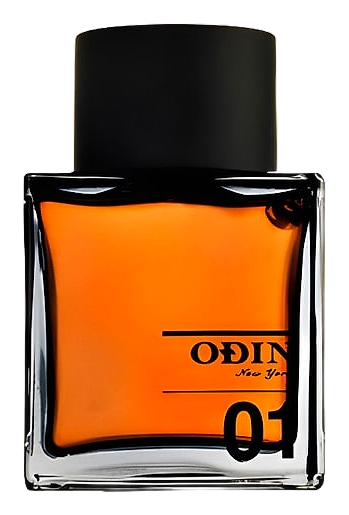
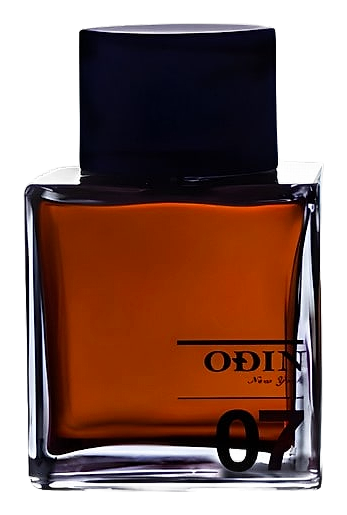
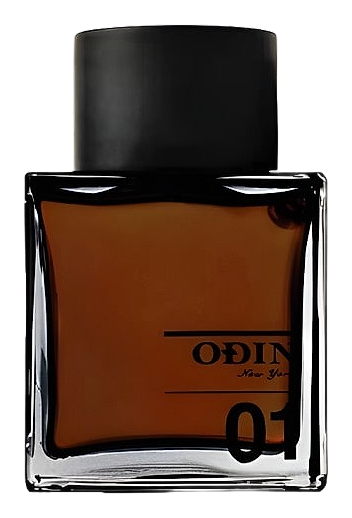
Odin New York built its identity on numbered fragrances named after places, Sunda, Tanoke, Roam. Century breaks the pattern. Named for time itself rather than a destination, it marks the house's ambition to do something architectural: a modern reinterpretation of the chypre family. Perfumer Kevin Verspoor took on the challenge of 2009, when IFRA restrictions had already begun reshaping what chypre could be. Rather than mourn the classic structure, Verspoor rebuilt it, silver birch and cypress where bergamot once led, myrrh and vetiver at the heart, black musk and oakmoss anchoring the drydown. The result feels like a deliberate conversation between what chypre was and what it could become.
What makes Century structurally interesting is how it handles the classic bergamot-oakmoss contrast. In traditional chypres, bergamot's citrus brightness sets up the oakmoss and labdanum. Century replaces that citrus with birch, a sharper, more resinous brightness that reads almost coniferous. The effect is a fragrance that still has that essential chypre tension between cool and warm, green and resinous, but filtered through a different material vocabulary. The myrrh in the heart doesn't sweeten the composition, it deepens the aromatic forest quality, working with vetiver to create something smoky and mineral rather than warm and gourmand.
The evolution
The opening is immediate and arresting. Silver birch and cypress hit first, delivering that sharp coniferous quality, almost a birch tar note without being harsh. Mint weaves through, lending a cold, green clarity that lasts for the first fifteen to twenty minutes. Then the hand-off begins. The mint recedes as myrrh enters, introducing a smoky, balsamic warmth that changes the fragrance's temperature. The vetiver becomes more present in the heart, adding an earthy, slightly mineral depth. Patchouli anchors the middle without overwhelming, it provides weight but keeps the composition from becoming sweet. By the third hour, the drydown takes over. Black musk and ambergris arrive together, creating a warm, animalic base that sits close to the skin. Oakmoss is present but restrained, it gives the signature chypre finish without the extreme earthiness of vintage formulations. The fragrance doesn't project aggressively at this point. It whispers. It lingers.
Cultural impact
Century occupies an interesting position in the post-IFRA chypre landscape. Released in 2009, it arrived at a moment when reformulation pressures had forced many houses to reconsider the classic structure. Verspoor's solution, rebuilding chypre around birch and myrrh rather than bergamot and labdanum, represented one approach: work within the new constraints to create something architecturally similar but materially distinct. Wearers describe it as a fragrance that rewards attention. The opening is a statement, the drydown is intimate, and the overall arc has more development than many modern compositions. It attracts a specific type of wearer: someone who wants complexity without noise, and who understands that a moderate sillage is a feature, not a limitation.
The House
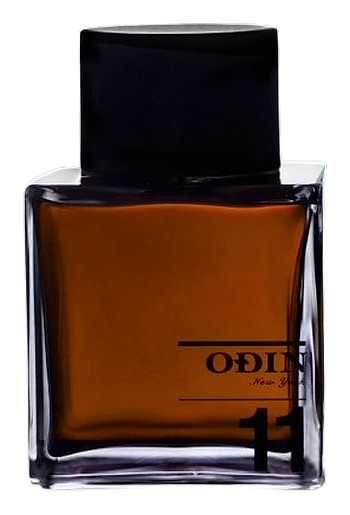
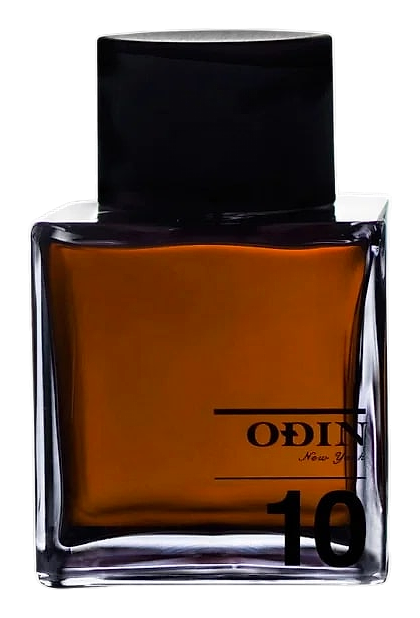
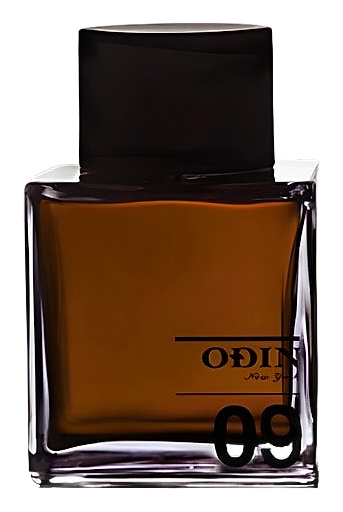
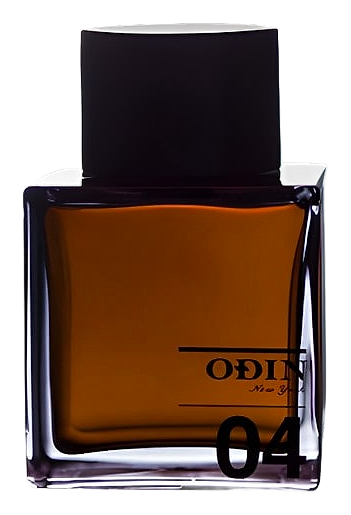
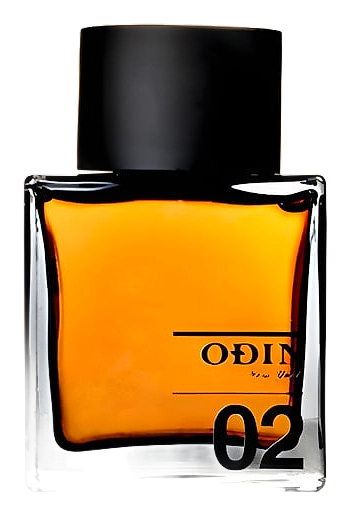
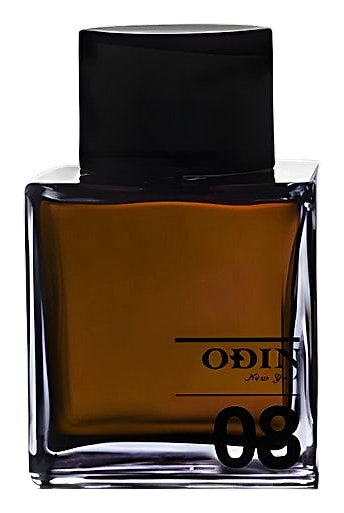
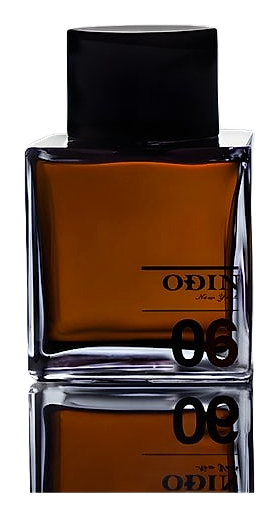
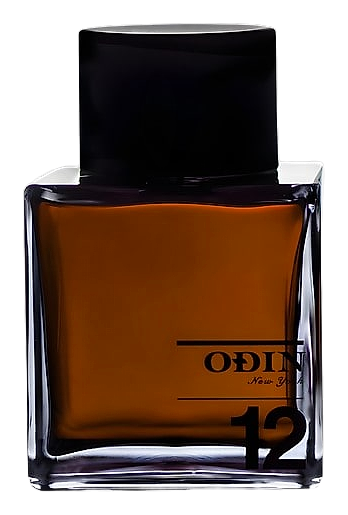
OdinOdin New York emerged in 2009 as a fragrance extension of a New York-based fashion retailer, creating unisex scents that draw from global travel and unconventional material pairings. The brand developed two distinct collections: the Black Line, characterized by rich exotic destinations, and the White Line, exploring deconstructed floral compositions. Founded by Eddy Chai and Paul Birardi, the house approached fragrance as an extension of a lifestyle aesthetic rather than a standalone beauty product. Each fragrance carries a numeric designation followed by a geographic or cultural name, anchoring the scent to a specific place or concept. The brand ceased introducing new fragrances around 2015, but its catalog continues to circulate among collectors and enthusiasts of niche perfumery.
The Creator
Kevin VerspoorVerspoor draws heavily on classical perfumery materials, particularly the heavier naturals and fixed oils that characterized mid-twentieth century formulations. His signature technique involves layering vintage-inspired accords with contemporary restraint, allowing traditional…