The Story
Why it exists.
The beginning
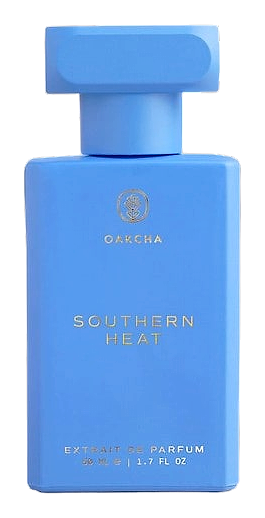
Southern Heat takes its name from a specific quality of warmth, the kind that doesn't burn but holds you in place. That warmth has texture: something soft and lingering, something that settles into a room without demanding attention. Oakcha built this fragrance around that feeling. Powdery florals capture the softness, then earthiness keeps the sweetness from floating away. Vetiver, from Haiti, became the grounding anchor. The goal was a warmth that could live anywhere, on anyone, a scent that feels like a familiar embrace rather than a seasonal statement.
The heart of this fragrance is its powder. Tonka bean and orris root create an iris-adjacent softness that isn't delicate, it's present, it's felt, it lingers. Here, tonka bean shows up in the heart, building the sweetness before vanilla arrives, so the drydown doesn't feel like dessert. Instead, it feels like skin. Haitian vetiver deserves special attention: its earthy, smoky character keeps the cream from cloying. Without it, this would be saccharine. With it, the warmth becomes specific, a memory of somewhere humid, somewhere slow, somewhere warm enough to sit still in.
The evolution
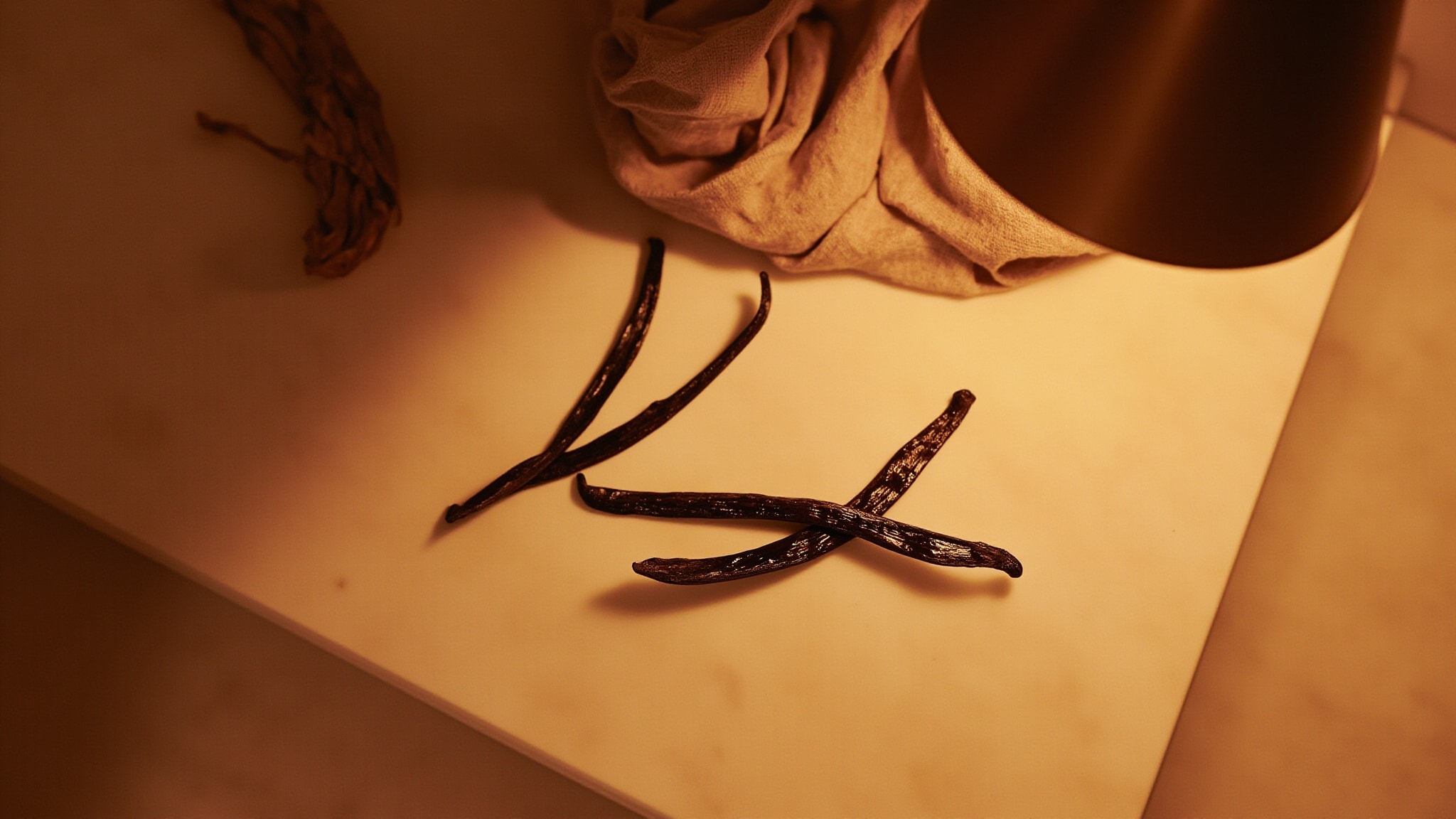
The opening announces bergamot and heliotrope together. Bergamot gives citrus brightness before jasmine arrives, warm, sweet, slightly indolic in the best way. The florals take center stage early, but there's something powdery underneath already, the heliotrope asserting itself alongside the brighter notes. The heart belongs to tonka bean turning the jasmine creamy, geranium adding a slight green lift, and orris root arriving like a cold glass of water against warm skin, the cool note that makes everything else feel deeper. The drydown doesn't arrive so much as settle. Vanilla and musk wrap around the vetiver, and what lingers is warm, intimate, and close. The progression moves from bright to soft to grounded, each stage overlapping naturally with the next rather than announcing dramatic transitions.
Cultural impact
Southern Heat occupies a space for warm florals that refuse to be one thing. It's not a safe sweet scent, and it's not a challenging niche exercise, it exists in the tension between powder and warmth, cream and earth. The vanilla isn't the point. The powder isn't the point. The fact that they coexist is. This coexistence creates something that feels both familiar and surprising, a fragrance that rewards attention without demanding it. The balance between sweetness and earthiness, between softness and presence, makes it a scent that works across contexts without losing its character in any of them.