
The Story
Why it exists.
The beginning
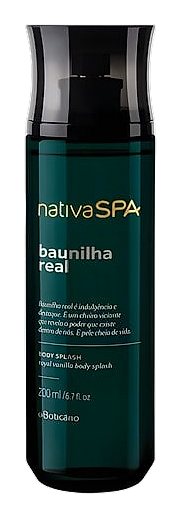
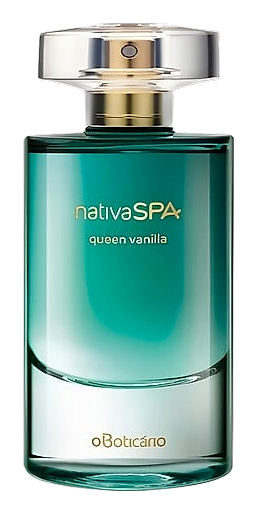
Queen Vanilla arrived in 2019 as part of the Nativa Spa line from O Boticário, the Brazilian fragrance house built on the idea that a rainforest is just a catalog waiting to be opened. The perfumers, Fanny Grau and Marilia Zavisas Duarte, worked within that tradition, translating Brazil's botanical wealth into something wearable and warm. The name carries intention. Vanilla is the star, but calling it Queen suggests elevation, this isn't a supporting note or a base-mat fixative. Here, vanilla leads, and the structure exists to showcase it rather than bury it under accords. What makes Queen Vanilla distinctive is how it builds toward that outcome. The opening is all brightness, wild berries, stone fruit, a flash of bergamot that makes the top registers feel almost crystalline. Then the middle softens everything into something edible.
The pyramid is unusually generous for a mass-market release, with eight base notes anchoring what could have been a straightforward sweet fragrance. That depth matters. Patchouli and sandalwood don't just support the vanilla, they give it somewhere to land. Without that woody structure, the composition risks the hyper-sweet, one-dimensional character that plagues so many vanilla flankers. The heart notes are where this gets interesting. Crème brûlée sounds dessert-forward, but in context, framed by jasmine and frangipani, it reads more like a warm cream than a sugar rush. The florals don't dominate, but they prevent the middle from cloying. They keep air in the composition.
The evolution
The opening hits fast, a tumble of wild berries and plum, bergamot cutting through with enough citrus sharpness to make the sweetness feel bright rather than heavy. This phase lasts maybe twenty minutes before the fruit starts to recede, leaving behind a juicier, rounder quality. Then comes the shift. Crème brûlée arrives not as a note but as a sensation, the smell of sugar hitting heat, that caramelized edge that makes the middle read as edible without crossing into food territory. Jasmine and frangipani keep it from becoming merely sweet. There's a green undertone, almost metaphorical, that prevents the whole thing from collapsing into one register. The drydown is where Queen Vanilla earns its name. Madagascar vanilla emerges slowly, gaining weight as the florals fade. But it doesn't arrive alone. Coumarin adds a hay-like warmth, caramel brings its burnt-sugar edge, and benzoin delivers a resinous sweetness that amplifies everything underneath. Patchouli keeps the base grounded, without it, this would smell like a cloud.
Cultural impact
Queen Vanilla sits comfortably in the sweet vanilla category, a crowded space where most fragrances lean either purely gourmand or vaguely oriental. Its distinction is the fruity opening, which gives it an accessibility that heavier vanillas lack. The O Boticário provenance matters: for Brazilian wearers, the brand represents domestic sophistication, proof that elegant fragrance doesn't need to be imported. The composition works across contexts. It's sweet enough for evening, restrained enough for day. Winter and fall favor its warmth; spring and summer can carry it if applied lightly. Night wear suits it best, the vanilla's persistence and the benzoin's sweetness feel right for lower-light, closer-proximity contexts.