The Story
Why it exists.
The beginning
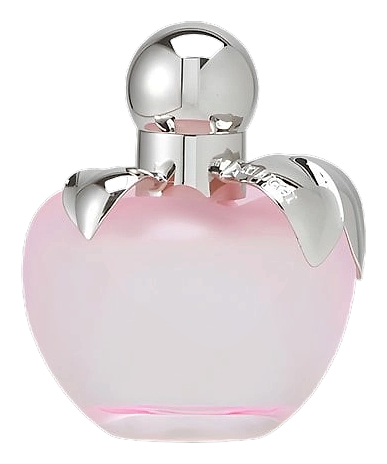
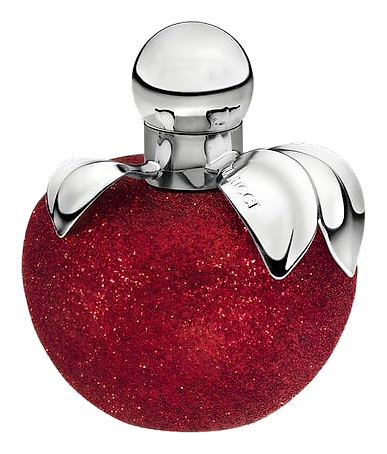
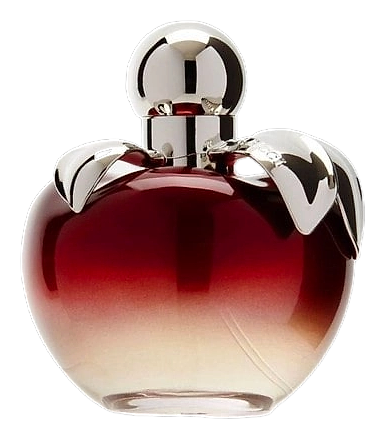
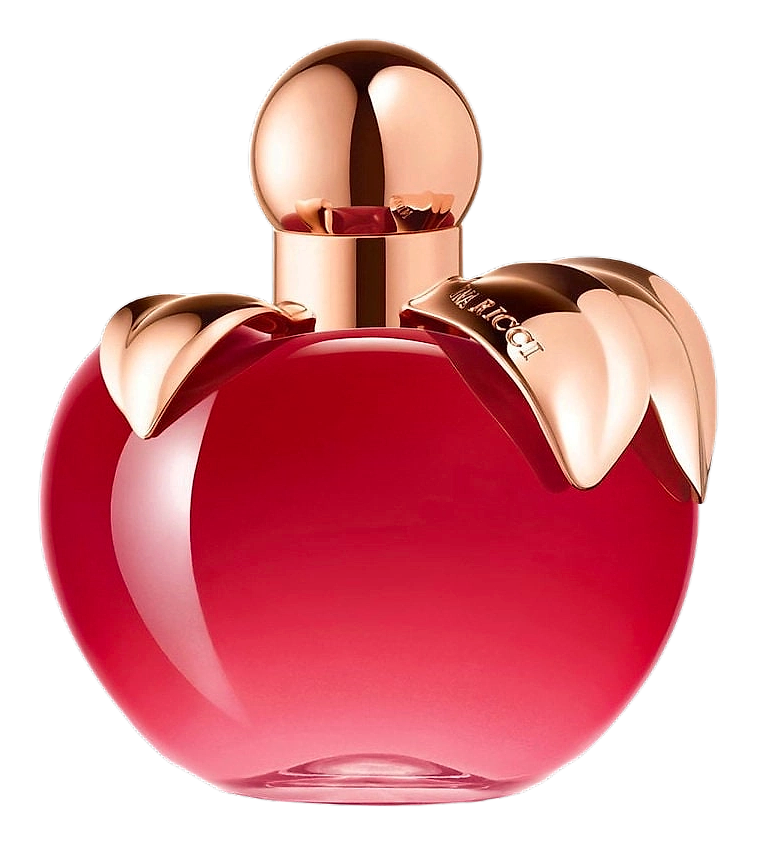
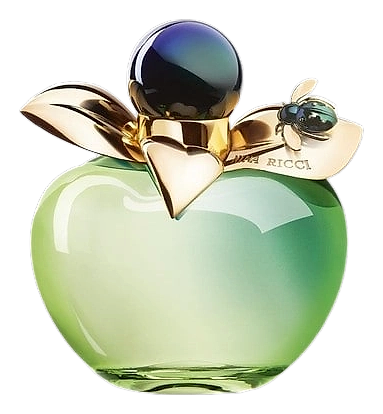
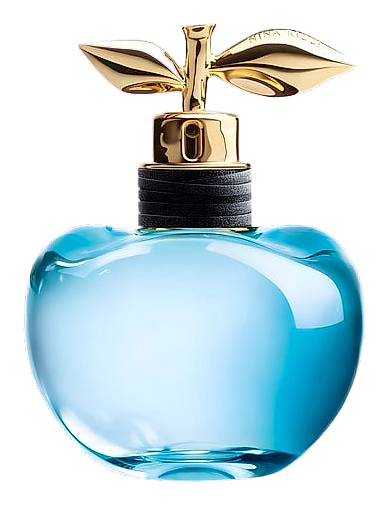
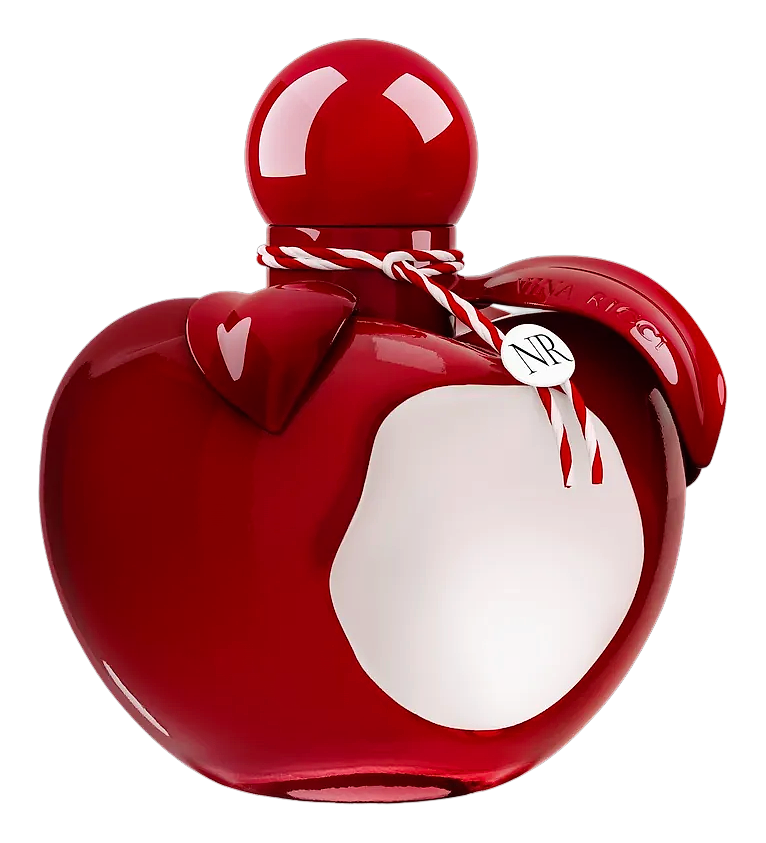
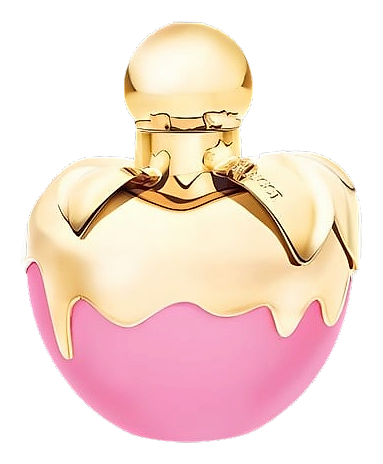
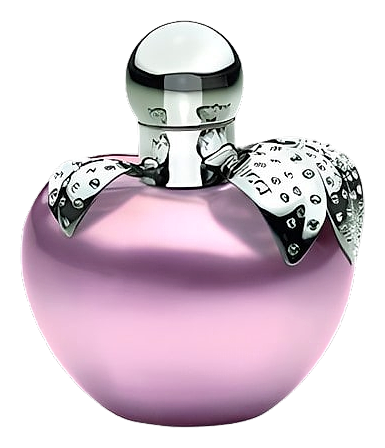
The Nina Ricci house has always understood that some gifts need crystals. In 2009, perfumers Olivier Cresp and Jacques Cavallier-Belletrud created a limited edition around a single idea: the irresistible apple, dressed for the holiday season. The bottle, a signature Nina Ricci apple silhouette, was encrusted with Swarovski crystals. It wasn't a reformulation. It was a celebration piece, designed to disappear from counters as quickly as it arrived.
What makes this edition interesting isn't complexity, it's restraint. Granny Smith apple sits at the heart, paired with peony for softness rather than sugar. The praline in the base keeps things grounded without going gourmand. It's the kind of composition that knows exactly what it is: fresh, feminine, and finished. No notes fight for attention. The result is wearable polish, not performance art.
The evolution
The opening hits bright, lime's citrus punch, bergamot's coolness beneath. Five minutes in, the Granny Smith arrives: crisp, green, barely sweet. Peony enters around the fifteen-minute mark, adding a powdery softness that tempers the apple's sharpness. By the hour, the praline surfaces, warm, nutty, present without overwhelming. The drydown is musk and applewood: skin-close, clean, fading gently over 6-8 hours on most wearers.
Cultural impact
Released in 2009 as a holiday limited edition, the Swarovski-encrusted bottle positioned this as a gift-fragrance, a seasonal treat rather than a permanent wardrobe addition. The fresh-fruity character placed it within a crowded mid-range market, but the crystal-adorned bottle gave it standalone gift appeal. The 2009 launch year places it in an era when limited editions were still genuinely limited, before the proliferation of permanent collection exclusives.
The House
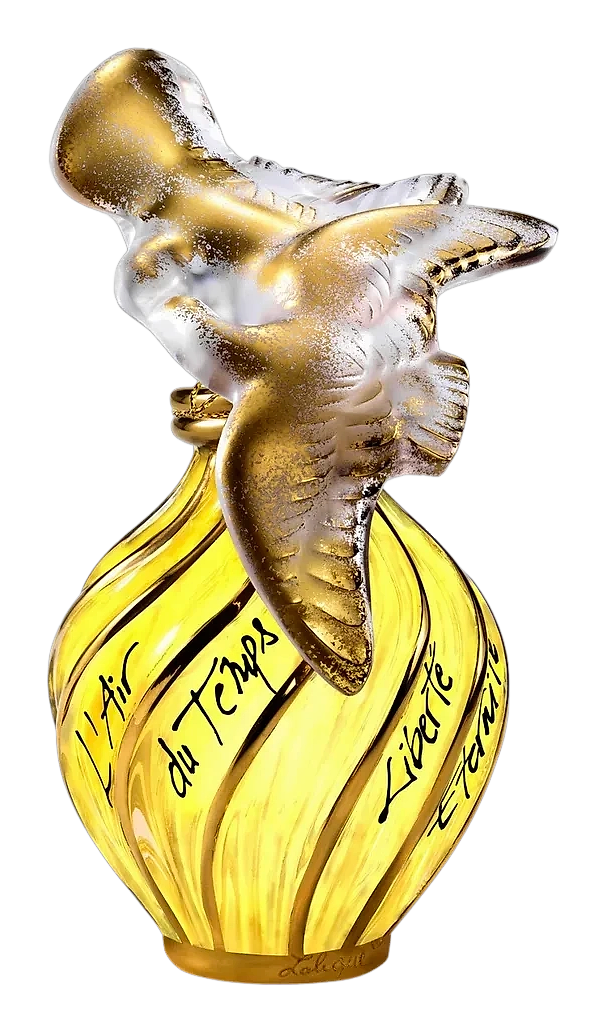
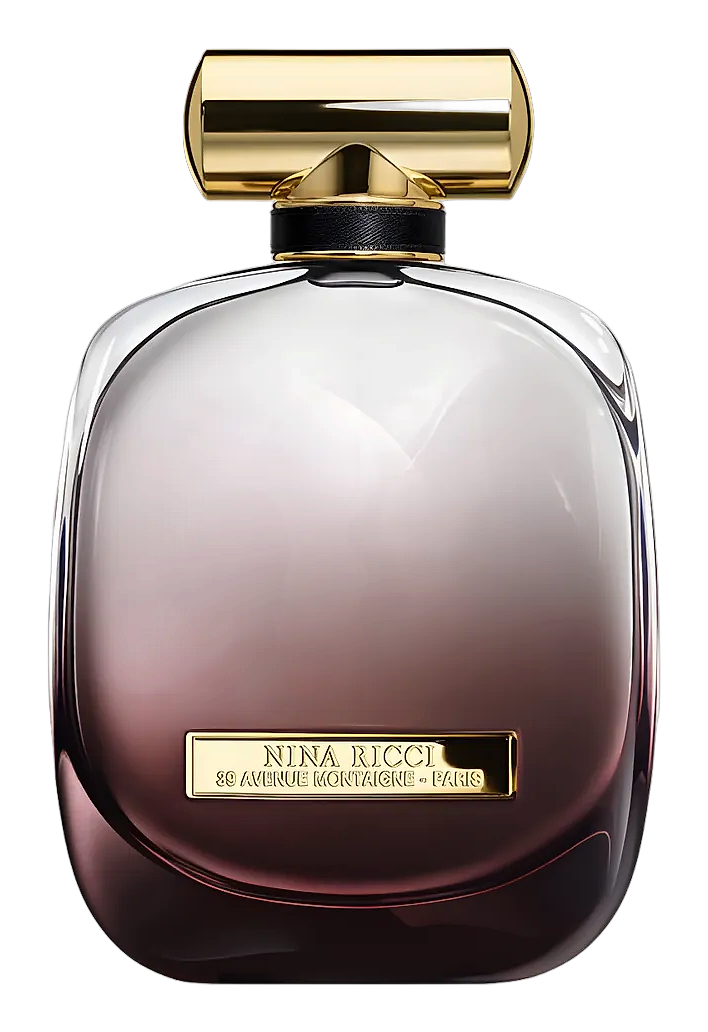
Nina RicciNina Ricci is a Parisian fashion house founded in 1932 by Italian-born designer Maria "Nina" Ricci and her son Robert Ricci. The house began as a couture salon on Rue Haussmann, quickly establishing a reputation for refined, feminine gowns with romantic sensibility. Robert established an in-house perfume division in 1941, though the first fragrance would not arrive until 1946. That inaugural scent, Coeur Joie, marked the beginning of a partnership with Lalique that would define the house's olfactory identity. The house introduced its most celebrated fragrance, L'Air du Temps, in 1948, a scent that remains in production decades later. Puig acquired Nina Ricci in 1998, bringing the house under the same ownership that manages Carolina Herrera and Jean Paul Gaultier. Today, the fragrance collection spans from timeless classics to contemporary offerings like the Nina line, maintaining the house's commitment to feminine elegance.
The Creator
Olivier CrespCresp's signature style often features a blend of fresh, clean notes with warm, comforting accords. He's known for his masterful use of fruit notes, particularly fig and berries, which he often combines with florals and musks to create scents that are both inviting and sophist…