The Story
Why it exists.
The beginning
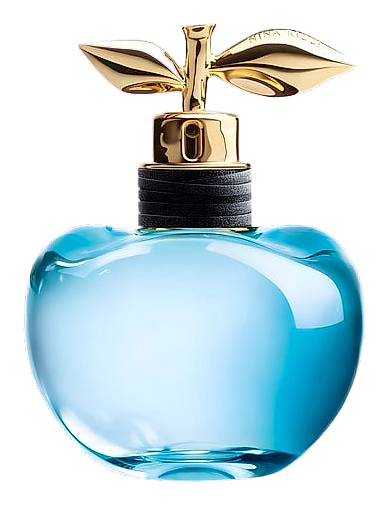
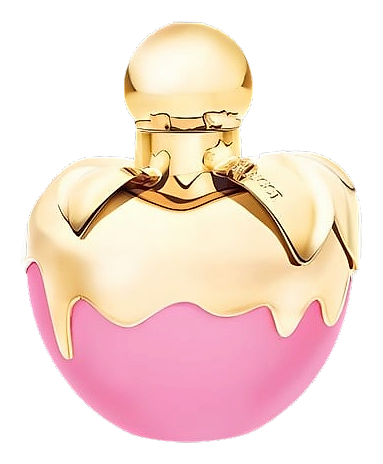
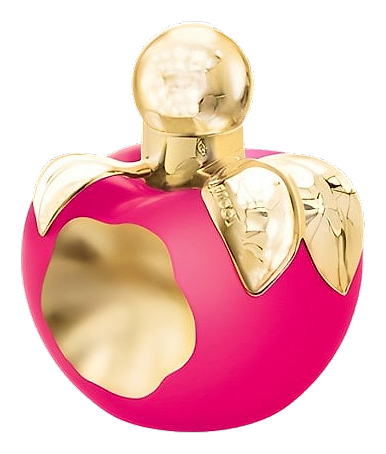
Nina Ricci's Les Monstres collection transforms the house's romantic heritage into something with teeth. Luna, named for the moon, or perhaps for the Latin word that means 'to shine', arrived in 2018 with a blue apple bottle designed by Brazilian artists Ana Strumpf and Guto Requena. The designers gave it drawn pink eyes and a pom-pom around the neck: sweet, a little strange, definitely memorable. Perfumers Christophe Raynaud and Marie Salamagne built the scent to match. Fresh pineapple and lime open like a cocktail on a warm terrace, but there's always that caramel waiting beneath, the monster in the details.
The genius here is the push-pull. Pineapple and lime are bright, almost tart, the kind of opening you'd expect in a summer fragrance. But then there's caramel, not the thin, syrupy kind, but something denser, more unctuous. These two halves shouldn't work together, but Raynaud and Salamagne found the seam. The citrus keeps the sweetness from becoming overwhelming; the caramel keeps the freshness from feeling thin. What you get is a fragrance that walks a line between cool and warm, day and evening, the everyday and the special.
The evolution
Luna opens bright, that pineapple-lime combination arrives immediately, juicy and sharp. Within the first hour, the citrus starts to recede, and the floral heart emerges: freesia and orange blossom softening the edges. The real story is the base, though. Caramel arrives around the 90-minute mark and takes over. It's warm, it's sweet, it's the dominant note for the next several hours. On most skin types, Luna lasts 4-6 hours, not a marathon runner, but it doesn't need to be. By the end, you're left with a quiet woody warmth and that lingering caramel. It doesn't evolve dramatically after that; it just settles and stays. The next day, you might catch a trace on your wrist, faint, but there.
Cultural impact
As a limited edition, Luna occupies a particular space: a collectible piece that offers something different from Nina Ricci's main line. The collaboration with Brazilian designers Ana Strumpf and Guto Requena brought an artistic, almost whimsical dimension to the packaging, making the bottle as much an object of curiosity as the fragrance itself. Within the Les Monstres de Nina Ricci concept, monsters that are really just charm with edge, Luna represents the sweet tooth that gets the better of you. It's playful, it's warm, and it stands apart from the house's more traditional offerings.
The House
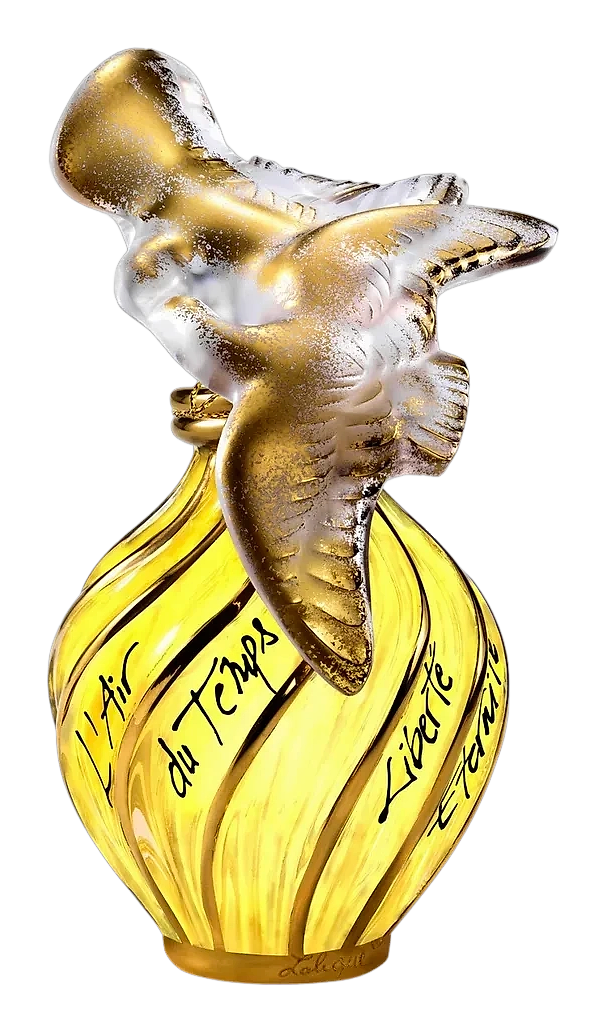
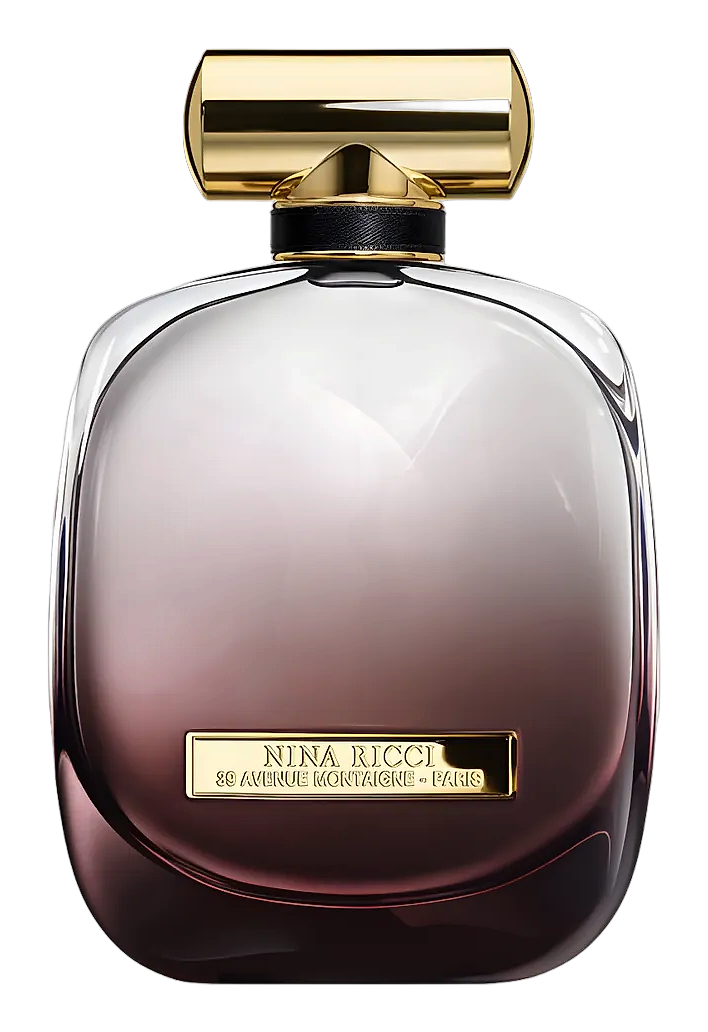
Nina RicciNina Ricci is a Parisian fashion house founded in 1932 by Italian-born designer Maria "Nina" Ricci and her son Robert Ricci. The house began as a couture salon on Rue Haussmann, quickly establishing a reputation for refined, feminine gowns with romantic sensibility. Robert established an in-house perfume division in 1941, though the first fragrance would not arrive until 1946. That inaugural scent, Coeur Joie, marked the beginning of a partnership with Lalique that would define the house's olfactory identity. The house introduced its most celebrated fragrance, L'Air du Temps, in 1948, a scent that remains in production decades later. Puig acquired Nina Ricci in 1998, bringing the house under the same ownership that manages Carolina Herrera and Jean Paul Gaultier. Today, the fragrance collection spans from timeless classics to contemporary offerings like the Nina line, maintaining the house's commitment to feminine elegance.
The Creator
Christophe Raynaud & Marie SalamagneWhile it's difficult to pinpoint a single defining characteristic across all of Raynaud's creations, there's often a sense of balance and sophistication. He's not necessarily known for overly avant-garde or challenging compositions; instead, he seems to favor well-structured f…