The Story
Why it exists.
The beginning
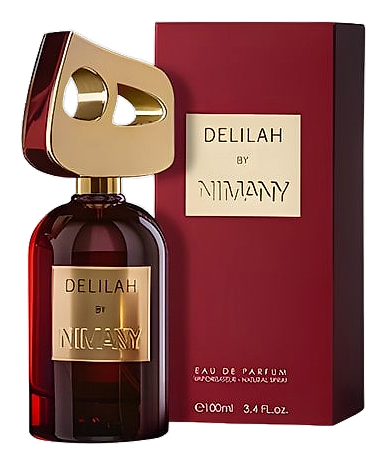
The name Delilah carries centuries of weight, pulling from a story about a woman remembered for a single devastating act, for the strength she undid with the softness she wielded. She is a figure caught between what she appeared to be and what she actually was, and that tension is what makes the name irresistible for a fragrance. The scent interprets that duality rather than illustrating it. It opens bright, almost innocent, then darkens into something warmer and more indulgent, a composition that seems simple at first and refuses to stay simple. The opening carries a clean, somewhat sharp lift from citrus, the kind of brightness that reads as crisp and uncomplicated, but the drydown betrays that first impression entirely.
What makes Delilah interesting structurally is how the rose behaves. It sits in the heart of the composition, flanked by powdery notes that soften it rather than letting it speak cleanly. The bergamot and lemon at the top are almost a ruse, a bright social front that gives way to something more textured and indulgent underneath. Then the base pulls a different move entirely. Praline is sweet but not innocent, more confection than fruit, and combined with vanilla and amber it pushes the fragrance into gourmand territory without abandoning the floral architecture. The result is a rose that feels dressed for evening, perfumed and powdered and ready to perform.
The evolution
The first thirty minutes belong to citrus. Bergamot and lemon arrive clean and bright, almost sharp, the kind of opening that reads as fresh laundry on a cool morning. It performs well. Then the rose arrives, and the shift is noticeable. The citrus recedes but doesn't vanish, instead it threads through the floral like a memory. The red rose comes with powder, and the powder changes everything. It takes the composition from bright and clean to soft and a little blurred, like a photograph taken through gauze. The saffron enters alongside the rose, lending a faint earthy bitterness that cuts through the sweetness before it fully arrives. An hour in, the praline begins to assert itself.
Cultural impact
Delilah occupies a specific corner of the niche fragrance conversation, one where sweetness meets structure and floral character refuses to behave like a traditional soliflore. Wearers tend to come to this scent because they want rose without the stiffness, praline without the full commitment to gourmand territory, and something that reads as warm and intimate rather than loud or synthetic. The rose here carries a powdery edge, the kind of soft-focus quality that makes the whole composition feel slightly blurred at its edges. That powder prevents the floral from ever feeling sharp or soapy.