The Story
Why it exists.
The beginning
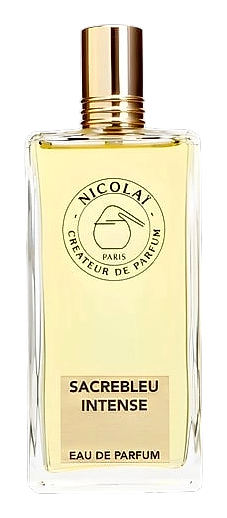
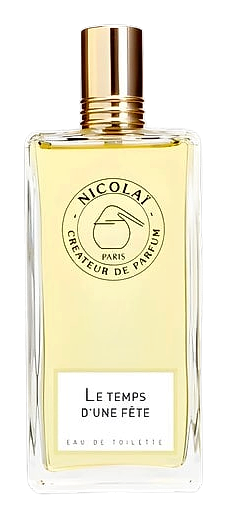
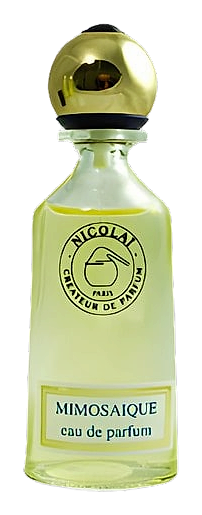
Patricia de Nicolaï launched her Paris house to explore classical French perfumery traditions, bringing technical rigor to her compositions. She chose to work with mimosa, a note most perfumers avoid entirely, its delicate character presenting a formidable challenge. Mimosaique became her answer: a fragrance that treats yellow florals with the same structural ambition applied to orientals and chypres. The result was not a light seasonal exercise but a serious exploration of what committed perfumery could achieve with a flower most people dismissed as fleeting. The name itself, Mimosaique, suggests something assembled, structured, deliberate.
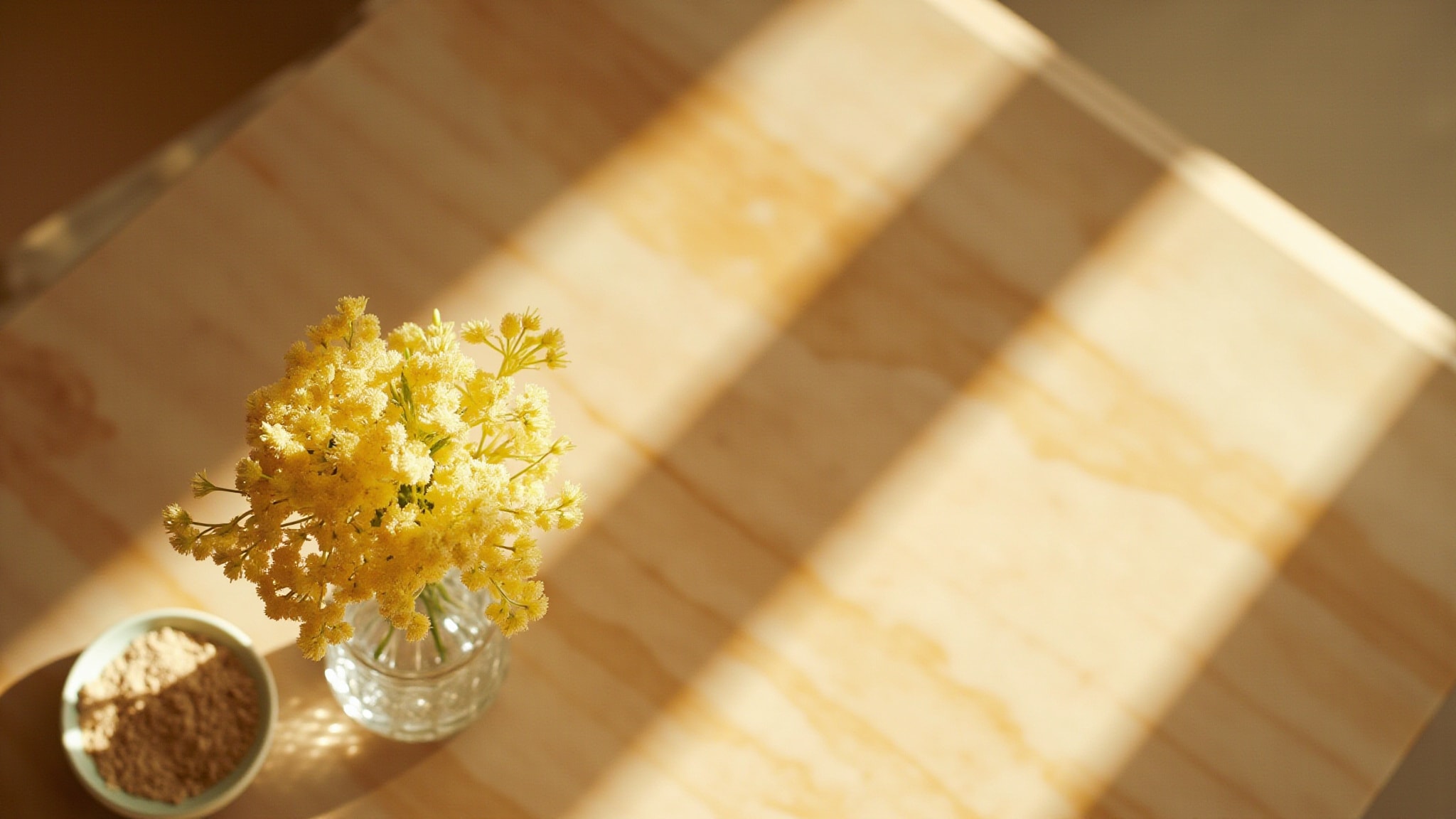
Mimosa occupies an unusual position in perfumery: simultaneously delicate and bold, sweet and slightly dirty in its green character. The challenge is structural, the note's character prone to fading quickly in lesser formulations. The solution involves layering mimosa with jasmine, which shares its creamy white-floral character and helps anchor the composition. Orris root acts as both fixative and flavor, bringing a powdery, slightly earthy quality that amplifies what mimosa wants to be rather than fighting it.
The evolution
The opening is the most assertive part of Mimosaique. Aniseed and jasmine announce themselves immediately, cool and aromatic, a little medicinal, like stepping into a greenhouse before the sun fully rises. The mimosa doesn't burst in. It seeps, gradually establishing itself as the dominant note. The heart phase is where the composition earns its name: creamy, powdery, warm without being heavy, the jasmine adding a deeper white-floral layer beneath the golden mimosa. The drydown is quiet and close, the powdery iris-orris accord lingering at skin level. What emerges is a lasting presence that remains intimate rather than filling the room.
Cultural impact
Nicolai occupies a particular corner of the fragrance world, respected by those who know, worn by those who care more about composition than branding. Mimosaique sits among the house's more traditional offerings, appealing to a wearer who values the architecture of a well-constructed floral over novelty.