The Story
Why it exists.
The beginning
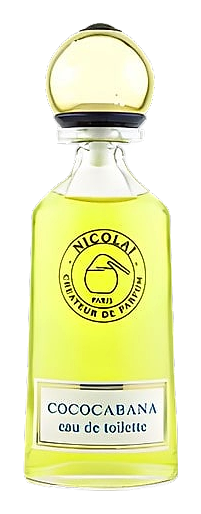
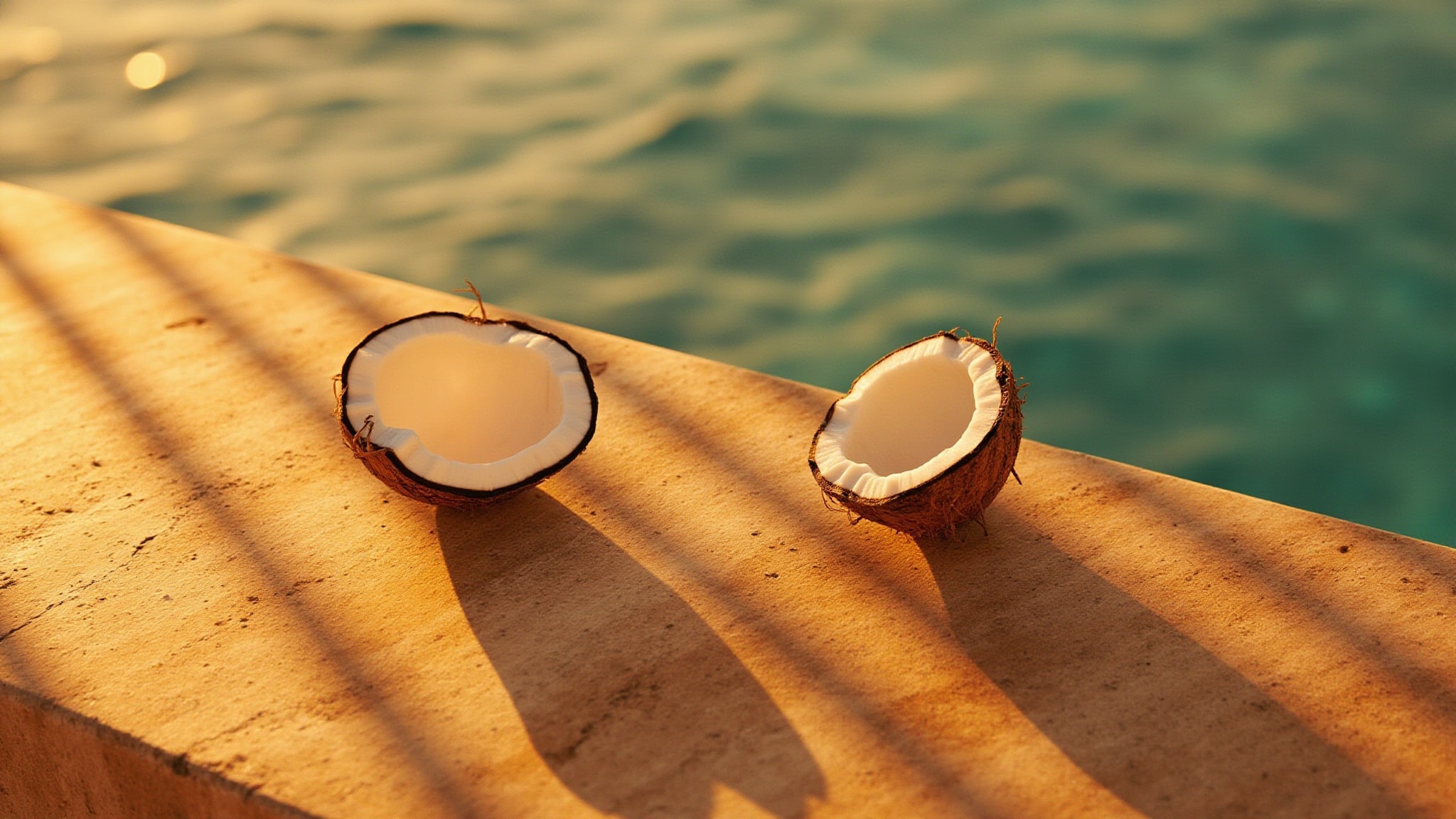
Patricia de Nicolaï named this one for a beach, but Cococabana is less postcard and more fever dream of one. The brief was simple: capture the hour when the sun stops trying so hard. That slanted golden light, the smell of salt and warm skin, the moment tropical heat stops being aggressive and becomes ambient. Released in 2006, it arrived in a decade when fruity-floral was everywhere, but this one refused to be just another mango-body-spray situation. Nicolaï's classical training shows in the structure, there's an actual architecture here, not just a pile of sweet notes stacked together.
What makes this work is the palm leaf. It sounds like a throwaway green note, but it does something crucial: it keeps the coconut from going flat and the vanilla from going cloying. The combination of coconut with tuberose is a classic tropical move, but the bitter orange in the opening cuts through the creaminess with actual sharpness, a brief flash of something bitter before the warmth takes over. The drydown leans on tonka and cedar rather than just more coconut, which keeps it from smelling like a sunscreen ad. It's gourmand without becoming food.
The evolution
The opening is bright. Bitter orange hits first, sharp and citrus-pungent, then the coconut arrives, warm, creamy, immediate. The transition to the heart is where this fragrance earns its keep. Tuberose and ylang-ylang don't crash in; they seep. The composition becomes heavier, more humid, almost sticky with white floral richness. This is the tropical heat phase, and it lasts longer than expected. The drydown is where Cedar and tonka take over, the coconut and florals fading into something softer, skin-close. Vanilla lingers closest to skin. Cedar anchors everything. The drydown stays close and warm for hours, detectable on fabric the next morning.
Cultural impact
Cococabana arrived in 2006 as a counterpoint to the booming fruity-floral market, offering a distinctly French take on tropical scent. Where contemporaries leaned into literal fruit cocktails and synthetic beach breezes, Nicolaï approached coconut and tuberose with classical perfumery discipline, grounding exotic materials in structured drydown architecture. The fragrance emerged during a wave of coconut-forward releases but distinguished itself through its restraint and complexity, refusing the straightforward sweetness that dominated the category. Patricia de Nicolaï's Guerlain-trained sensibility meant this tropical scent carried formal balance, aging gracefully on skin rather than evaporating into sugar.