The Story
Why it exists.
The beginning
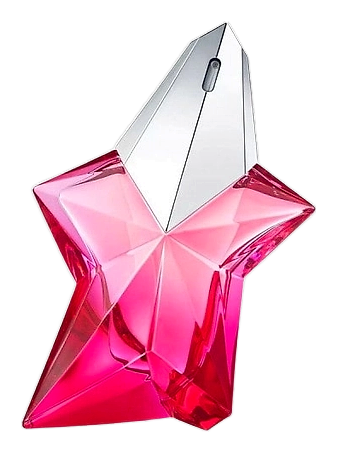
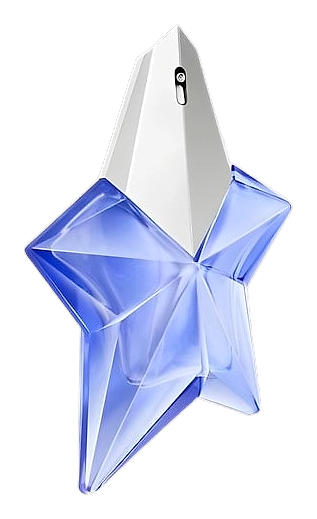
In 2017, Mugler reached back into its own mythology and pulled out Angel Eau Sucrée, a limited edition that reimagined the house's 1992 blockbuster for a summer audience. The bottle got a makeover: a shimmering cobalt blue glaze with blue and silver stripes inspired by the visual codes of traditional French confections. The scent itself returned unchanged, because why fix something that already works? Dorothée Piot signed the composition, a bright, sparkling, unapologetically sweet fragrance that took Angel's patchouli-praline tension and made it feel lighter, airier, more playful. It was summer logic applied to an icon.
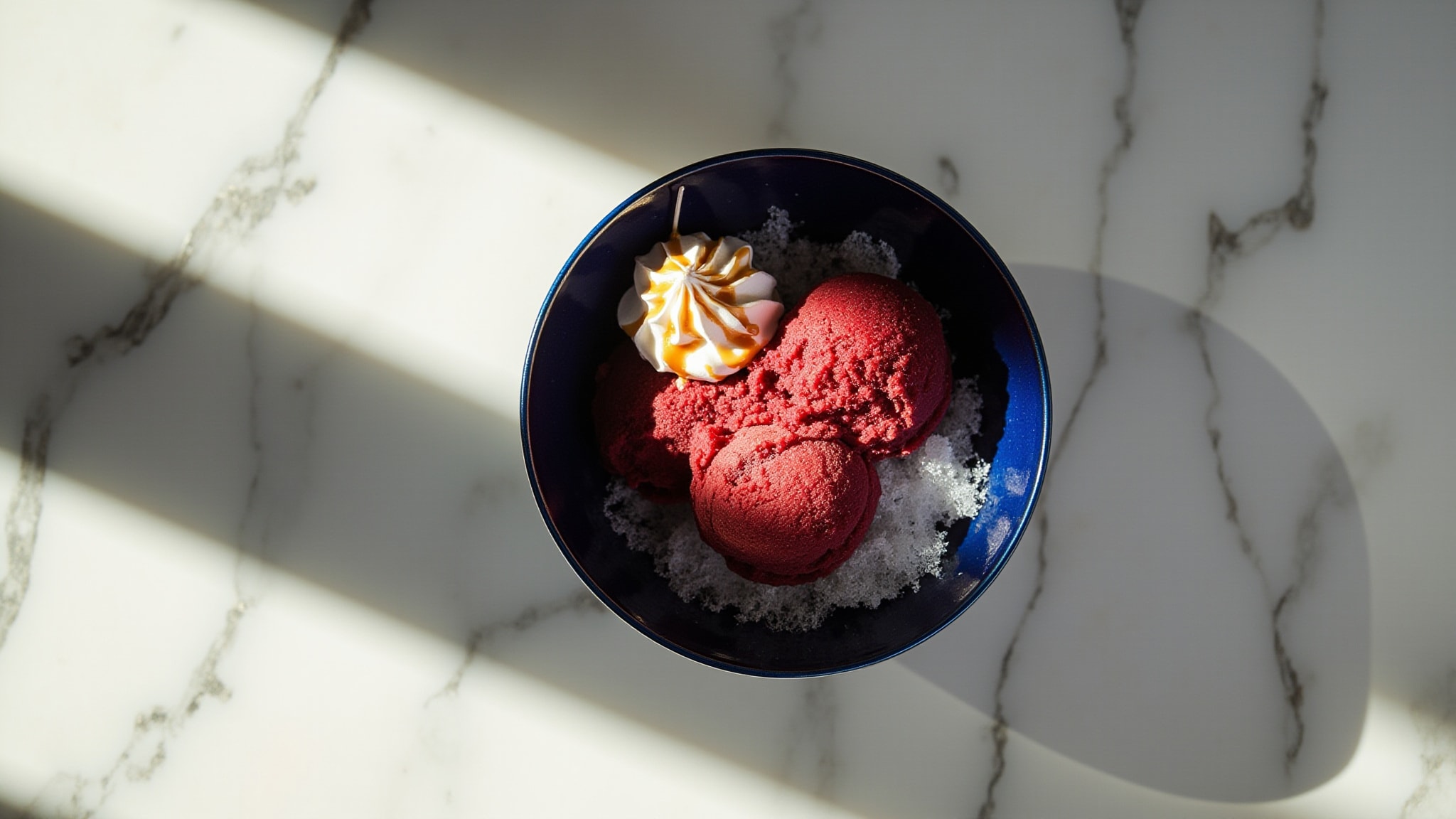
What makes Angel Eau Sucree interesting is its structural honesty. The top is a deliberate brightness, red berries and sorbet that feel cold, tart, immediate. The heart is where it gets cozy: caramelized meringue and cream, the kind of sweetness you'd find in a proper patisserie. But the base refuses to fully cooperate. Vanilla and patchouli together create a drydown that pushes back against the sweetness, not fighting it, just adding weight, making the whole composition feel less like a confection and more like something that could survive contact with actual skin.
The evolution
The opening hits bright and tart, red berries and sorbet that feel like the first spoonful of something frozen. Within twenty minutes, the berries recede and the heart takes over: caramel and meringue, warm and creamy, the sweetness deepening into something more intimate. This phase lasts the longest, a full hour of dessert warmth before the base begins its slow reveal. The drydown is where Angel Eau Sucree earns its name. Patchouli and vanilla together create a finish that isn't quite sweet anymore. It's warm, it's close, it lingers for hours on most skin types. The sorbet acidity that opened everything has fully metabolized into something softer, the memory of sweetness rather than sweetness itself. On paper, patchouli always wins eventually.
Cultural impact
Angel Eau Sucree sits at an interesting intersection: it's the accessible face of a house known for intensity. The original Angel polarized, too sweet, too synthetic, too much. This 2017 limited edition softened the edges without losing the structure. For anyone who's wanted to try Angel but found the original overwhelming, Eau Sucree offers a way in. It's still unmistakably Mugler, that patchouli base ensures it, but the sorbet brightness makes it more wearable, more forgiving, more likely to work in actual warm weather. The limited edition status adds urgency: this isn't a permanent collection fixture.