The Story
Why it exists.
The beginning
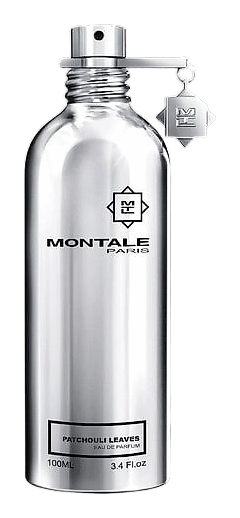
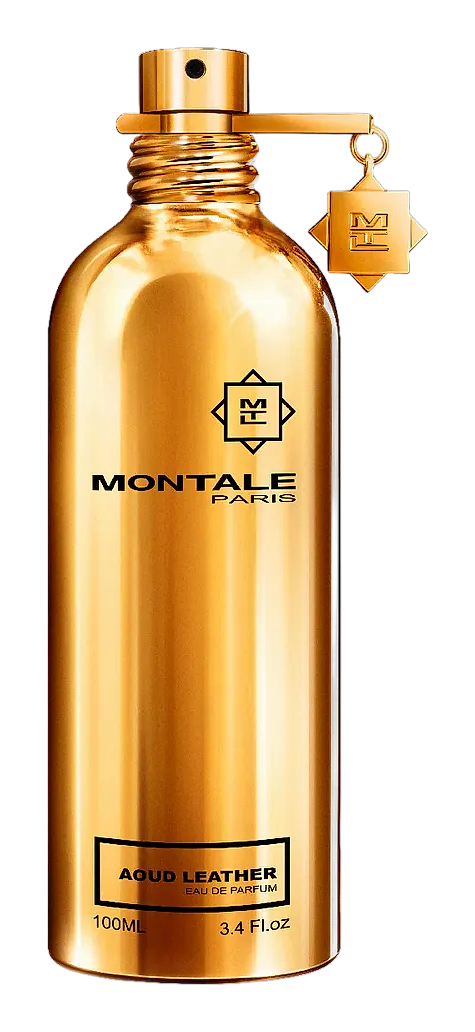
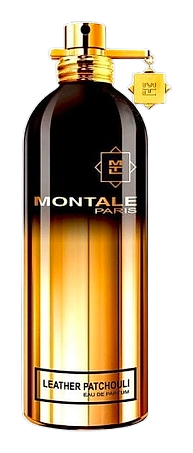
Leather Patchouli arrives with a simple proposition: take the two most talked-about materials in fragrance and let them speak for themselves. No embellishment, no dilution. Perfumer Nathalie Feisthauer built this around a tension, the dark, almost mineral earthiness of patchouli against the warm, animalic weight of leather. Oud and labdanum anchor the opening in something resinous and deep. Cedar and sandalwood arrive to add dimension without softening the blow. By the time vanilla and white musk enter, the fragrance has already made its point. This is a scent for people who know what they want and reach for it without hesitation.
What makes Leather Patchouli work is the restraint in its boldness. Feisthauer doesn't layer competing narratives, she builds downward, from leather and patchouli as the foundation, toward woods that support rather than complicate, ending in a base that wraps around skin without smothering it. The ambergris adds a salty, animalic depth that prevents the vanilla from going dessert-sweet. The white musk keeps everything close, intimate, worn rather than announced. It's Montale doing what Montale does best: intensity without excess, richness without noise.
The evolution
The opening is dense. Leather, patchouli, oud, labdanum, all arriving at once, thick and resinous. It reads almost heavy at first, like stepping into a room where the leather has soaked into every surface. Give it an hour. The cedar and sandalwood begin to breathe through, softening the leather without making it polite. The heart settles into something warmer and woodier, the oud now a quiet thread rather than a statement. By the drydown, the base notes arrive: ambergris, vanilla, white musk. The warmth here is skin-close, not projecting. Patchouli lingers longest, that earthy, slightly bitter tail that keeps the whole thing grounded long after the leather has softened into memory.
Cultural impact
Leather and patchouli occupy a storied place in perfumery's cultural history. Both materials carry associations with warmth, depth, and earthiness that have made them backbone notes in countless fragrances across decades. Patchouli's journey from 19th century soap manufacturing to its peak in the 1970s hippie movement and its subsequent mainstream acceptance reflects a larger cultural arc in how perfumery reflects social trends. Montale's 2018 Leather Patchouli enters this lineage directly, acknowledging the heritage of these materials while executing them with contemporary precision. The fragrance sits within a broader revival of leather notes in modern perfumery, a reaction against the light aquatic trends that dominated the 2000s.