The Story
Why it exists.
The beginning
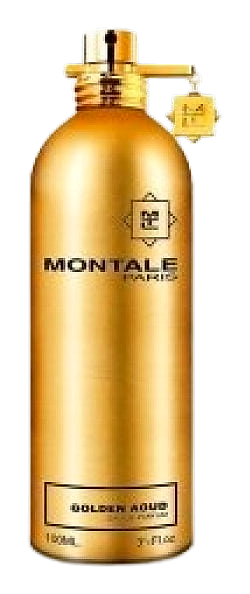
Golden Aoud arrived in 2008, and the gold in its name reads less like ornament and more like a statement of value. This is aoud treated as treasure, dense and luminous rather than dark and medicinal, the kind of composition where the raw material takes center stage without being buried under it. The rose at the heart of it isn't a floral courtesy. It's the kind of rose that earns its place by standing shoulder to shoulder with woods ten times heavier than itself, refusing to flatten into sweetness or fade into the background. Around that central pairing, the rest of the composition falls into formation.
What makes this composition worth slowing down for is how it handles the rose-oud conversation. Golden Aoud lets them argue. Neither ingredient dominates. The geranium sharpens the rose while the patchouli drags it toward the earth, and that tension between brightness and depth runs through the entire wear. Leather enters mid-fragrance and turns a floral-woody piece into something that smells like a saddle left near an open window, carrying smoke and animal warmth into what had been a more abstract conversation between rose and wood.
The evolution
The first ten minutes are the lightest this fragrance ever gets. Bulgarian rose and Bourbon geranium lift off the skin with a greenish-fresh crackle, patchouli lurking underneath like a shadow. That freshness is misleading. Within thirty minutes, the leather enters, and the composition drops a register. The floral brightness doesn't vanish so much as get pressed down beneath something warmer, smokier, more textured. Pimento buzzes along the edges, a dry heat that precedes the woods. An hour in, the geranium has faded almost entirely, and what remains reads as leather meeting cedar, with saffron threading between them in dry, golden wisps. The oud arrives last but never feels late. From the two-hour mark through the six-hour mark, it thickens, pulls everything down toward the skin, and takes ownership.
Cultural impact
Golden Aoud sits within a tradition of compositions that bring together the floral leather sensibility of French perfumery with the commanding presence of Arabian-style oud work. It wears like a bridge between two traditions, carrying the structural polish of European perfumery on one side and the sheer material weight of Eastern compositions on the other. The kind of scent a wearer reaches for when they want their presence to register before they say a word. It doesn't dissolve into the background or behave like a light floral cologne.