The Story
Why it exists.
The beginning
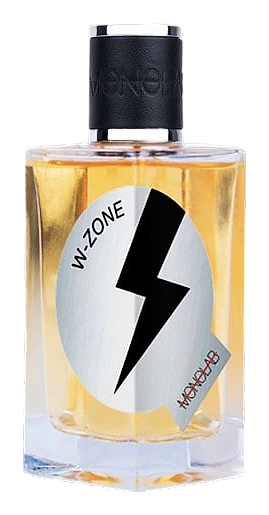
Monolab launched W-Zone in 2019 as part of its ongoing series of artist collaborations. Each fragrance in the collection represents a singular creative partnership, an emerging artist given full interpretive freedom over an olfactory concept. W-Zone explores the tension between cool and warm, between mineral and human. The vetiver and patchouli anchor the composition in earthy, mineral territory, while musk and bergamot add a quieter, more human dimension. What the artist achieved is a fragrance that moves between states, cool on first spray, then warming as it settles, reflecting the zone-like transition the name implies.
The interplay between ambroxan and vanilla in the base is the real narrative twist here. Ambroxan brings a clean, mineral warmth that bridges the gap between the cool vetiver-patchouli opening and the soft vanilla that follows. Neither material dominates, they create a shared language. The result is a drydown that feels close, intimate, and surprisingly warm given how mineral the top register begins. This is the kind of structural tension that keeps you smelling your wrist hours later.
The evolution
The opening lands with vetiver's mineral, slightly camphoraceous edge and patchouli's dark, earthy depth. There's a green, herb-like quality that lifts the composition just slightly, the scent feels rooted but not heavy. Within an hour, bergamot arrives as a quiet citrus brightness cutting through the mineral base. Musk smooths everything into a softer register, and the fragrance stops announcing itself. By hour two, ambroxan takes over, that clean, warm mineral note that smells almost like skin, but better. Vanilla lingers longest, giving the drydown a sweetness that never tips into dessert territory. The entire evolution takes 6-8 hours on most skin, settling into something close and personal that someone leaning in might catch the next morning.
Cultural impact
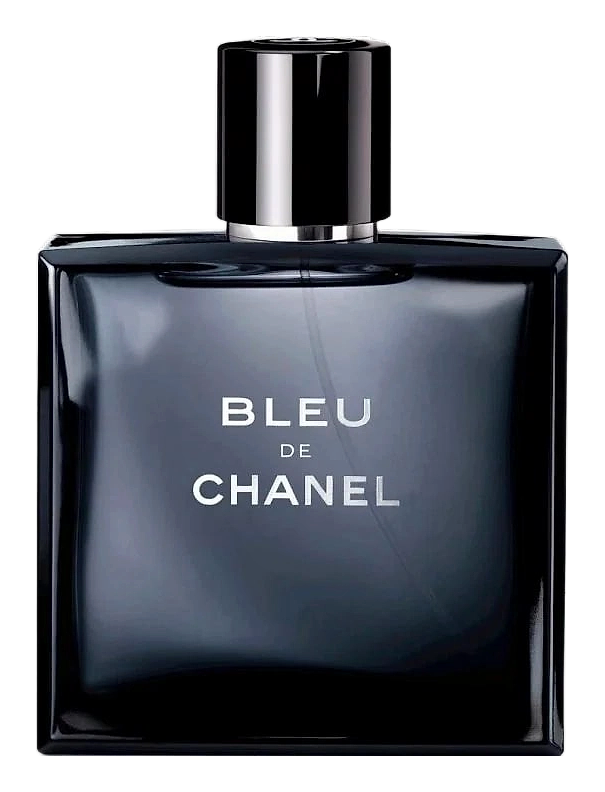
W-Zone occupies a specific corner of the niche fragrance world, the territory between cool minerality and warm skin intimacy. Its blend of smoky vetiver, clean ambroxan, and soft vanilla appeals to wearers who find typical fresh citruses too bright and orientals too heavy. It sits alongside fragrances like Hermès Terre d'Hermès and Chanel Bleu de Chanel in terms of woody-spicy sensibility, though W-Zone's smoky vetiver-forward opening and ambroxan drydown give it a more modern, less citrus-reliant character. For those seeking the artistic fringe of fragrance, pieces created by emerging voices rather than established houses, W-Zone represents exactly that kind of discovery.