








Heritage
A house, in its own words
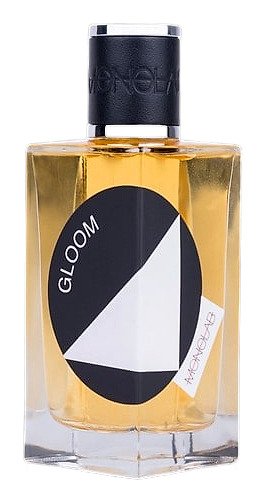
The precise origins of Monolab remain somewhat opaque, consistent with the independent nature of many artistic perfumery projects operating outside the established fragrance industry hierarchy. The house emerged in 2015, reportedly as a reaction against the consolidation and commercial standardization that characterized contemporary fragrance production. The founding principle centered on the mono-product concept: each fragrance would be created by a single emerging artist working with complete interpretive freedom, rather than being assigned to a house perfumer following market research and commercial guidelines. This structure positions Monolab less as a traditional fragrance house and more as an exhibition space or curatorial platform for emerging olfactory talent. The Italian context shapes the project's aesthetic sensibilities, drawing on a tradition of artisanal craft while operating within the contemporary art world rather than the beauty industry. Over subsequent years, the house developed a catalog that expanded from initial releases including B-Zone, White Star, Blood, Gloom, and S-Line into a more substantial body of work. The house maintained its commitment to emerging artists through this growth, adding names like W-Zone and Hannibal to its roster in 2019, and continuing into more recent years with releases such as Crazy in 2024 and Lit Game in 2025. Each release represents a distinct artistic vision, though all fall under the Monolab umbrella and its broader commitment to artistic perfumery. Monolab operates on a principle that fragrance creation should function as an artistic practice rather than a commercial manufacturing process. The house actively seeks out emerging artists, individuals who have not yet established themselves within the established fragrance industry hierarchy. This focus on emerging talent distinguishes the house from other niche perfumers who typically work with established noses or their own in-house perfumers. The structure suggests a belief that fresh perspectives produce more interesting results than experienced professionals working within commercial parameters. Each artist receives what appears to be significant creative latitude, with the house serving as facilitator and publisher rather than director. This approach treats fragrance as a medium for artistic expression rather than merely a consumer product designed to appeal to broad market segments. The mono-product concept embedded in the house name reinforces this philosophy: each fragrance represents one artist's singular vision for a particular olfactory concept, rather than a committee-approved formula optimized for sales projections. The philosophy extends to the house's self-presentation, which maintains a low profile relative to larger fragrance brands, suggesting comfort with obscurity and a prioritization of artistic integrity over commercial visibility. The Italian artistic perfumery tradition provides cultural grounding for this approach, connecting contemporary experimentation to a longer history of craft-based luxury production.