The Story
Why it exists.
The beginning
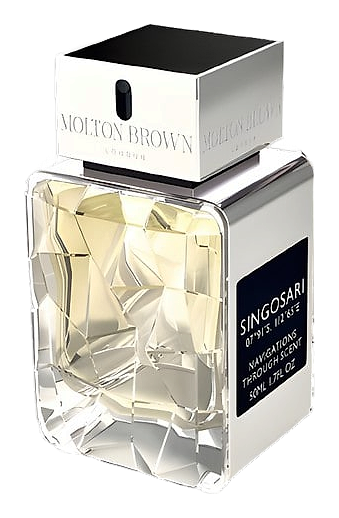
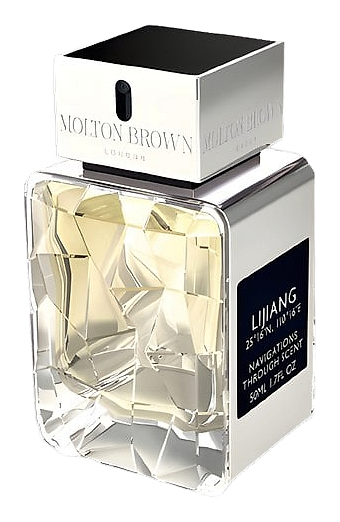
Molton Brown's 2011 Navigations Through Scent collection sent perfumer Jennifer Jambon around the ancient spice and tea routes of the world. Lijiang represents China, not the loud, smoky China of oud and incense, but the softer aromatic truth of Yunnan province, where white tea grows in mountain mist and osmanthus blossoms perfume old towns at dawn. Jambon chose restraint. The collection needed contrast: after Egypt's resinous weight and Indonesia's spice, China demanded something cleaner, more delicate. So she built around two materials that rarely anchor a commercial fragrance, osmanthus absolute for its peachy, almost buttery floralcy, and white tea for its subtle, slightly bitter clarity.
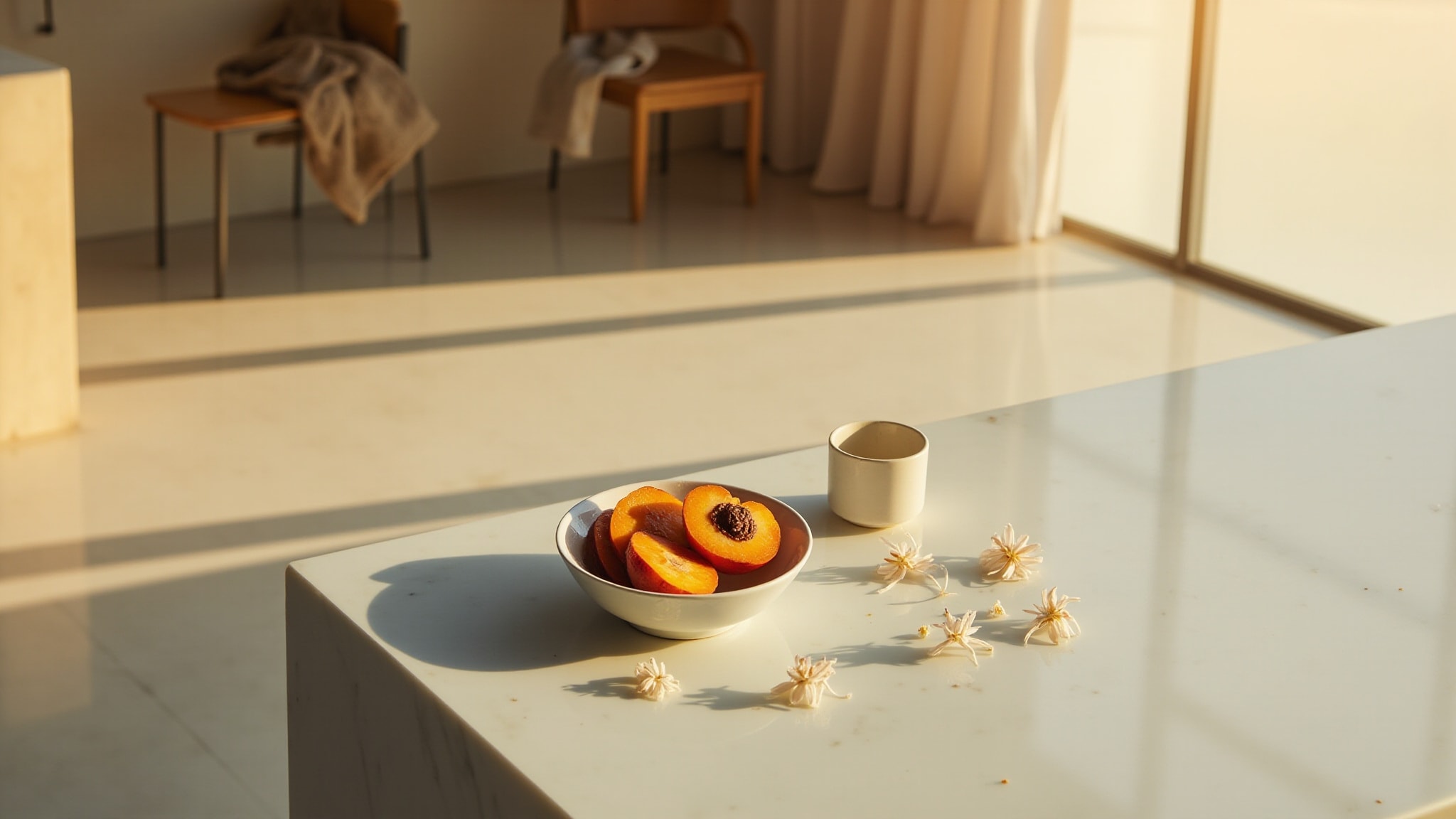
What makes Lijiang unusual is its structural honesty. Fruity-floral is one of perfumery's most crowded camps, usually saturated with sweetness and projection. Here, the osmanthus absolute carries a specific apricot-petal character that distinguishes it from generic peach or berry interpretations. The white tea doesn't perform, it quietly anchors. Pink pepper and red berries open bright, but the composition's logic pulls inward, toward softness rather than expansion. This is a fragrance that refuses to shout.
The evolution
The opening arrives quickly: pink pepper's clean spice meets red berries' quick sweetness, then grass adds a vegetal crispness that feels like morning dew. Within twenty minutes, osmanthus and white tea take over, the transition is seamless, almost imperceptible, like a cloud passing over sun. The osmanthus brings warmth; the white tea brings clarity. They hold the mid-section for two to three hours, soft and steady. Then vetiver and white musk arrive, earthier and closer, creating a drydown that stays within an arm's length. On fabric, the white tea note can linger into the next day.
Cultural impact
Molton Brown's Navigations Through Scent collection launched in 2011, positioning Lijiang as China's aromatic representative along the ancient tea routes. The collection marked a deliberate shift from the brand's conventional bath and body identity toward artisanal perfumery, with all five fragrances composed by a single perfumer, Jennifer Jambon. Osmanthus absolute, derived from osmanthus flowers, carries deep cultural weight in Chinese tradition, symbolizing nobility and honor. Its inclusion in Lijiang was a commercial rarity in Western perfumery circa 2011, when fruity-floral compositions dominated the mass-market fragrance landscape.