
The Story
Why it exists.
The beginning
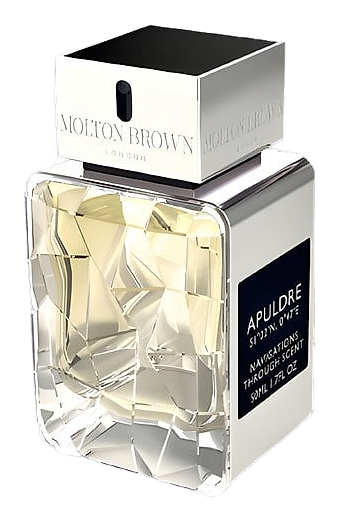
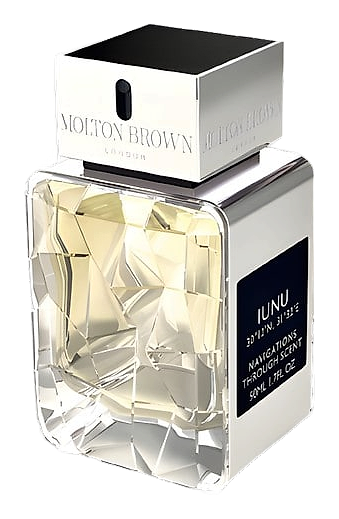
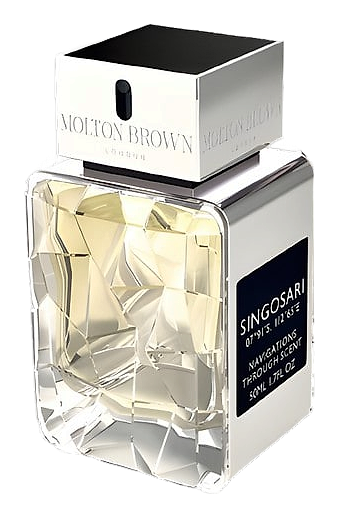
Singosari belongs to Molton Brown's Navigations Through Scent collection, launched in 2011. The collection was inspired by a tour of the ancient spice route, with each fragrance representing one location along the way. Singosari represents Indonesia. Specifically, the island nation known for its rich aromatic traditions, its resins, its smoke, its earth. That's the brief: take Indonesia's aromatic legacy, its resins, its smoke, its earth, and bottle it. The perfumer didn't reach for obvious choices. No predictable sweet notes. Instead, the composition anchors in ginger and frankincense, building from there with nutmeg and cinnamon into something that captures the intensity of spice trade history. Patchouli forms the base.
What makes Singosari work is its refusal to be polite. Ginger and frankincense open together, sharp against smoky, and most fragrances would let one dominate. Here, they negotiate. The ginger stays bright and clean, almost citrusy in its peppery way, while the frankincense adds weight, a resinous counterbalance that suggests smoke without becoming a bonfire. The heart of nutmeg and cinnamon is warm but not sweet. These aren't baking spices; they're the dusty, slightly bitter warmth of spice markets, the heat that rises from a mortar and pestle.
The evolution
The opening hits fast. Ginger and frankincense arrive together, sharp, clean heat from the ginger; resinous, slightly medicinal smoke from the frankincense. The smoke asserts itself early. Not a whisper. A statement. For the first half hour, Singosari announces itself with an intensity that borders on confrontational. Then the hand-off begins. Nutmeg and cinnamon emerge, softening the ginger's brightness, adding warmth without sweetness. The frankincense doesn't retreat, it deepens, becoming less smoke and more resin. By the second hour, vetiver and patchouli arrive: earthy, slightly sweet, grounded. The smoke never fully disappears, but it softens, becomes a memory rather than a statement. The drydown is intimate. Vetiver and patchouli close to the skin, the warmth of cinnamon still present in the background. The fragrance lingers on fabric, faint smoke, faint earth. Not gone.
Cultural impact
Singosari arrived in 2011 as part of Molton Brown's first niche collection, the Navigations Through Scent. Five fragrances, five stops on the ancient spice route: Egypt, China, Indonesia, England, Canada. Singosari was Indonesia. The ginger and frankincense opening is bold in a market that often leans toward safe, crowd-pleasing compositions. The resinous, smoky character offers something that feels different from typical Western fragrance traditions. Rather than mimicking European perfumery conventions, Singosari draws on a different aromatic vocabulary, one rooted in the incense and aromatic practices of the East.
The House
Molton BrownMolton Brown began as a modest hair salon on South Molton Street in London in 1971. Over the decades the brand expanded into bath, body and fragrance, keeping a focus on bold scent combinations and tactile textures. Today it offers a curated range of eau de parfums, scented candles and grooming essentials that reflect a distinctly British sensibility while inviting global discovery. The company balances heritage with contemporary creativity, delivering products that feel both familiar and surprising.
The Creator
Jennifer JambonJambon's signature style leans into bright, luminous compositions. She has a particular gift for fresh, citrusy tea scents that manage to feel both invigorating and intimate.