
The Story
Why it exists.
The beginning
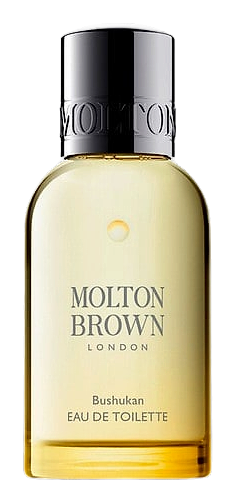
Bushukan is the Japanese name for the Buddha's Hand citrus, a fruit with fingered segments and intense fragrance that has been cultivated across East Asia for centuries. Molton Brown looked to this tradition, where Buddhist monks grew citrus in temple gardens and the fruit carried symbolic meaning of good fortune and ritual purity. Perfumer Nathalie Koobus translated that spirit into something wearable: a citrus fragrance that reaches for depth rather than brightness. She paired lemon and bergamot with Thai basil, an aromatic herb that most Western perfumery treats as afterthought. The choice of basil over, say, mint or verbena signals intent. This is citrus thinking, but through an herbal lens. The result is a fragrance that doesn't behave like citrus should. It's structured. Quiet. A bit unexpected.
The herbal heart is where Bushukan earns its character. As the citrus opening settles, thyme and cedar emerge, a combination that reads Mediterranean, almost fougère in structure. The thyme cools. The cedar dries. Together they create a bridge between the bright top and the earthy base. Vetiver takes its time in the drydown. It doesn't arrive all at once. It builds, earthy, slightly smoky, as the herbal heart fades. Labdanum and tolu balsam layer beneath, adding warmth and a honeyed resinous quality that rounds the edges. What could have been sharp becomes measured. What could have been simple becomes a slow exhale.
The evolution
The opening is where Bushukan announces itself. Lemon and bergamot arrive together, bright, immediate, almost sharp. The bergamot softens the lemon's edge without dulling it. Thai basil arrives quickly, adding an aromatic quality that keeps the citrus from reading sweet or aquatic. It's green. It's herbal. It's the first clue that this isn't a straightforward citrus. The heart develops fast. Thyme and cedar push the citrus aside, cool herbs and dry wood taking over before the top notes have fully settled. The thyme's camphorated quality creates a slight cooling sensation. The cedar is crisp, almost pencil-shaving in its clarity. This is the fragrance's most distinctive phase: aromatic herbs and woody warmth in conversation. The base arrives gradually. Vetiver builds as the heart fades, earthy, smoky, with a mineral edge that grounds everything. Labdanum adds warmth, tolu balsam adds sweetness. The combination is resinous without being heavy. Woody without being dark. The drydown holds for 6-8 hours on most skin, intimate and close. What surprises is the sillage.
Cultural impact
Bushukan landed quietly, a 2015 release from a brand known for its confident scent work. The citrus family in perfumery skews toward immediacy: bright openings, quick fades. Bushukan built differently. It invited patience. The herbal middle and woody base reward those who let it develop. For wearers who find typical citrus too thin or fleeting, Bushukan offered something with structure, and the restraint to let it breathe.