The Story
Why it exists.
The beginning
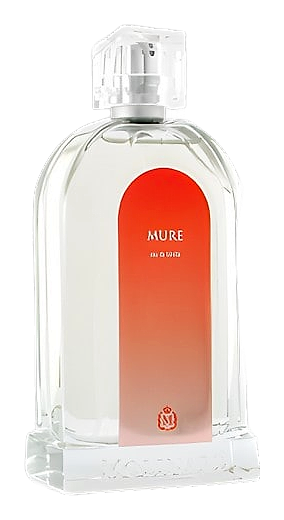
Mure arrived in 1993, when Molinard was still quietly doing what it had always done, turning the flowers and fruits of Provence into something you could wear. The blackberry opens with a tart brightness that carries just enough sweetness to feel alive, not medicinal. There's a green undertone beneath it, the ghost of stem and leaf, that keeps the fruit grounded rather than soaring into something artificial. The citrus appears next, lifting the composition with a clean sharpness that prevents the whole thing from becoming heavy. As it settles, a warm musky base emerges, soft and intimate, giving the fragrance somewhere to rest. The vanilla follows, threading through the musk to create a finish that lingers on skin and fabric alike.
What makes Mure interesting is its restraint within abundance. The blackberry dominates, tart, juicy, almost edible, but Molinard doesn't let it wander into candy. The bergamot adds a citrus edge that keeps the sweetness honest, while the neroli brings a subtle floral quality that softens without diluting. The jasmine rounds out the heart, adding a white floral dimension that gives the fruit somewhere to breathe. The musk-vanilla base is where the fragrance finds its quiet center, the part that stays when the brightness fades, a warm and intimate finish that lingers without announcing itself.
The evolution
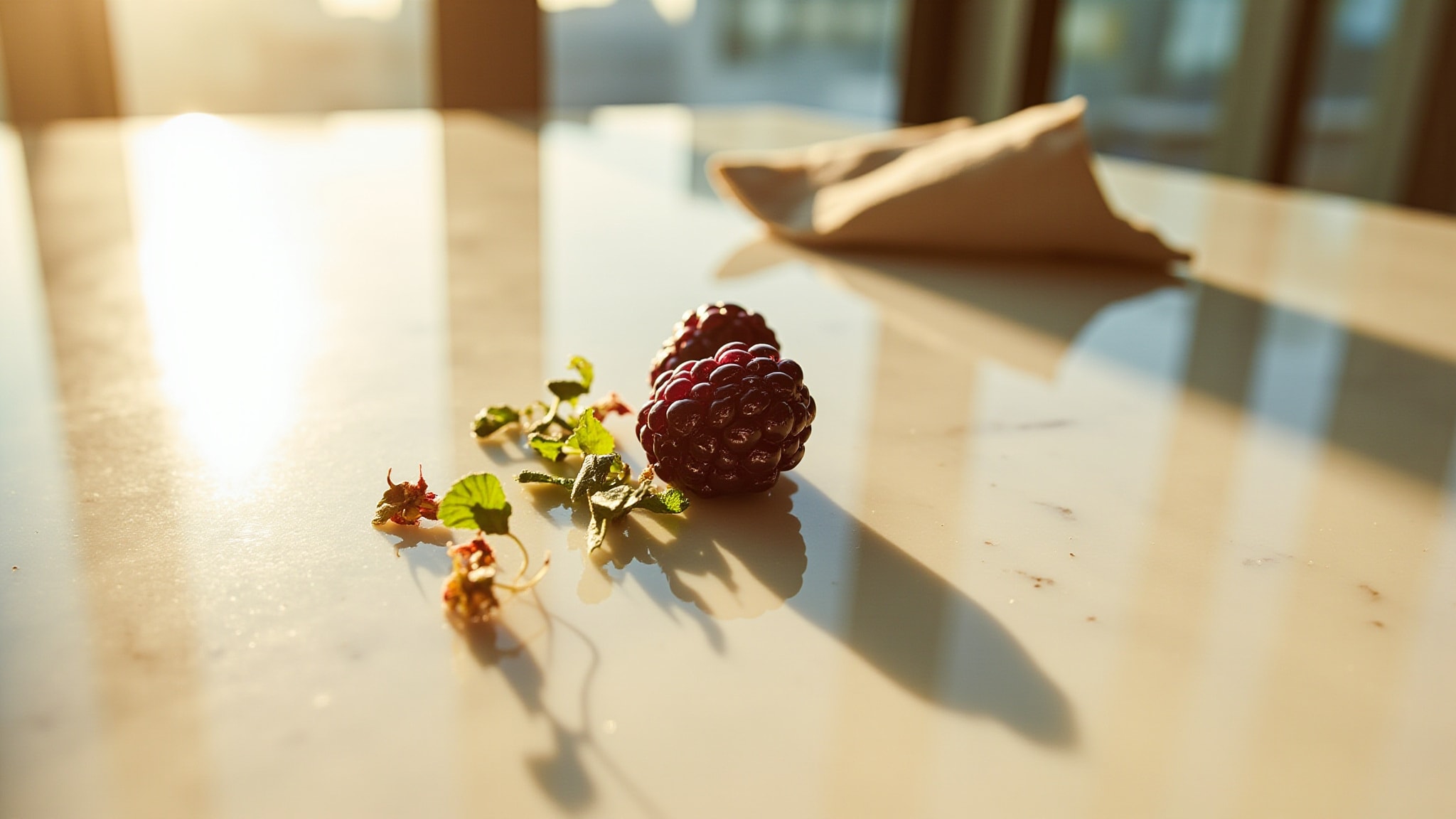
The first minutes belong entirely to blackberry, slightly tart, slightly sweet, with that green undertone that suggests the stem and leaf of the actual fruit. It doesn't announce itself loudly. It arrives like morning light through curtains. Around the ten-minute mark, the citrus cuts in, bergamot first, then something sharper and more direct that adds lift without adding volume. The neroli appears almost shyly, blending into the jasmine rather than standing apart. The fragrance holds this middle ground, fruit and flower in quiet conversation, each element taking its turn without overwhelming the others. Then the musk and vanilla take over. Not dramatically, there's no dramatic moment in Mure. The sweetness deepens, the fruit fades to memory, and what remains is warm, soft, intimate. On fabric, the vanilla holds for hours.
Cultural impact
Mure exists in a particular moment, when French heritage houses were navigating a market shifting toward bigger, louder fragrances. The result is a scent that feels neither dated nor retro, just present. It's been discontinued for years, but it surfaces in conversations about forgotten French fruity-florals, the ones that weren't trying to be anything other than what they were. There's something quietly defiant about a fragrance that refuses to shout, that offers its pleasures without demanding attention.