The Story
Why it exists.
The beginning
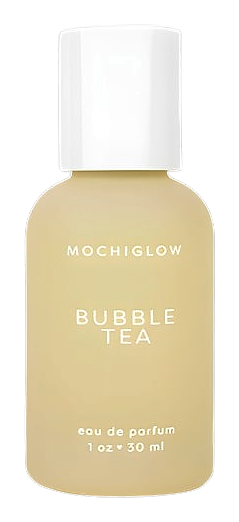
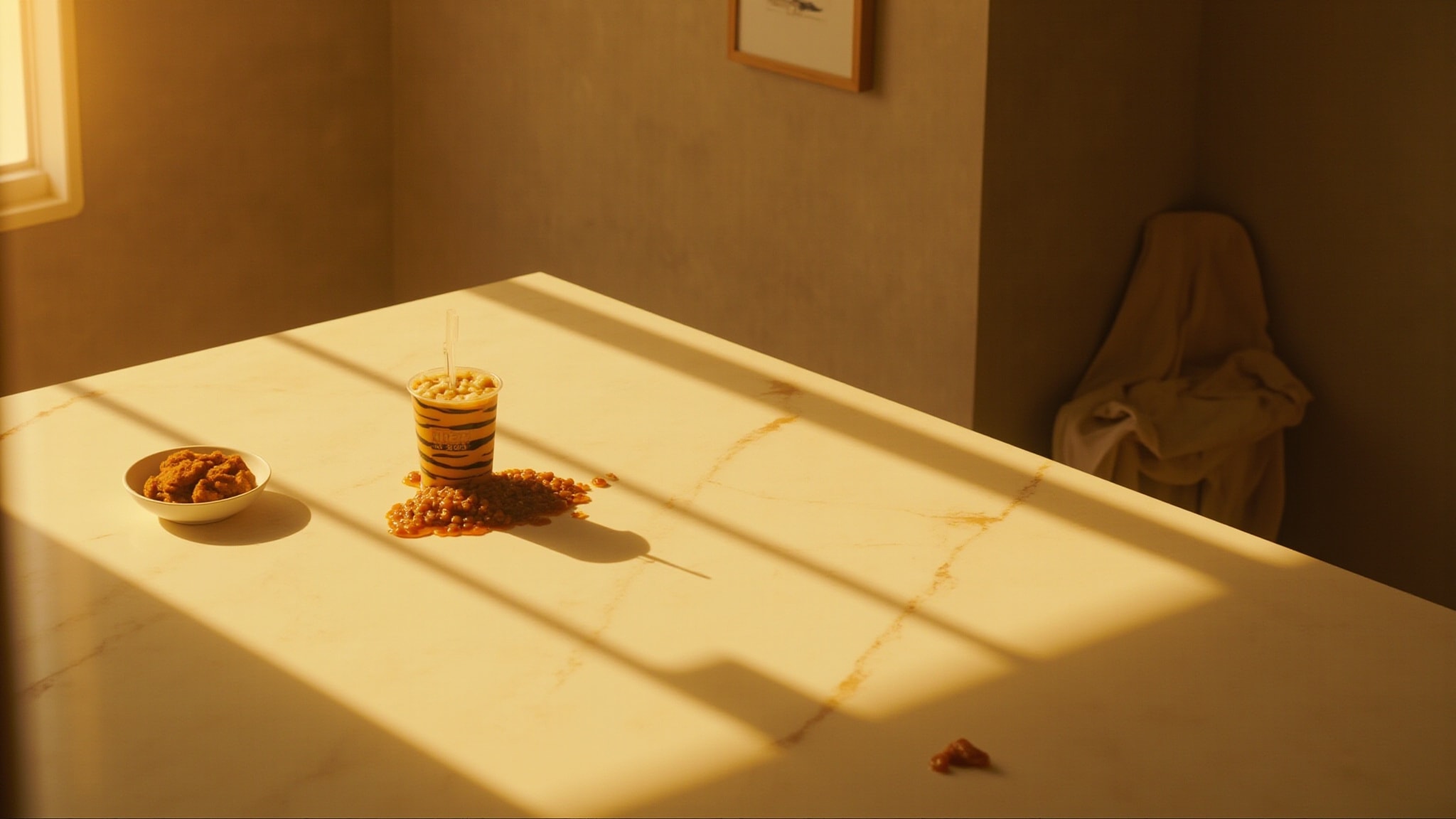
Bubble Tea is the logical endpoint of a brand that builds fragrances from memory and comfort. Perfumer Jenny Chang translated the brown sugar boba drink, chewy tapioca pearls, caramelized syrup, creamy milk, into something you can wear. The goal wasn't an abstraction. It was the thing itself: that specific, slightly sticky sweetness of a drink you can't stop sipping.
What makes this translation interesting is the starch. Tapioca pearls carry a faint dried quality, that smell of uncooked boba before it hits the boiling water, and finding an aromatic equivalent for that note is what separates this from a generic caramel fragrance. The barley and bran in the base add a grain-like depth that keeps the sweetness honest, something almost savory beneath all that sugar. It's the difference between smelling like bubble tea and smelling like bubble tea that's actually been drunk.
The evolution
The opening is caramel and milk, sweet, lactonic, immediately recognizable. The milk rounds the caramel into something softer, creamier, and the composition reads like the drink itself as it develops, before the tapioca emerges. Tapioca brings that dried-starch quality, the smell of the pearls before they soften. It's uncanny. Then black tea arrives, cutting through the sweetness with warmth and a faint tannic bite. Brown sugar settles in to sweeten the middle act, and as the fragrance develops the composition shifts entirely. Vanilla and praline take over, edible, creamy, the drydown of a drink that's been sitting long enough to thicken at the edges. Barley and bran ground everything, adding a grain-like depth that prevents the base from becoming pure sugar. The result is warm, sweet, and wearable throughout the day on most skin types.
Cultural impact
Bubble Tea joins a broader wave of food-inspired fragrances, but its specificity sets it apart. The brown sugar boba concept is immediately recognizable to anyone who's ordered one, while the execution, lactonic creaminess, tapioca starch, barley depth, makes it feel less like a marketing angle and more like a genuine translation. The brand's approach resonates with wearers who want their scent to mean something, connecting to a specific cultural touchstone while maintaining an artisanal, creator-driven ethos.
The House
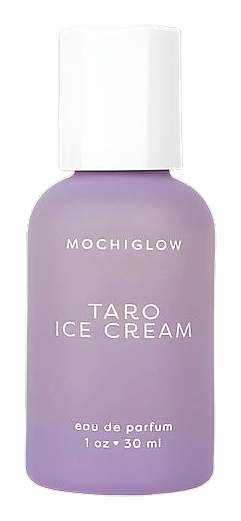
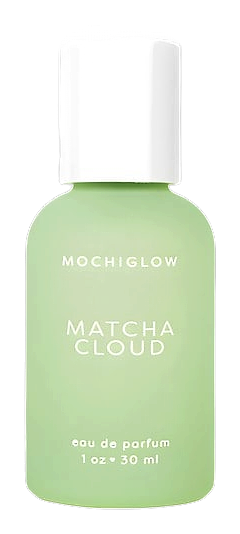
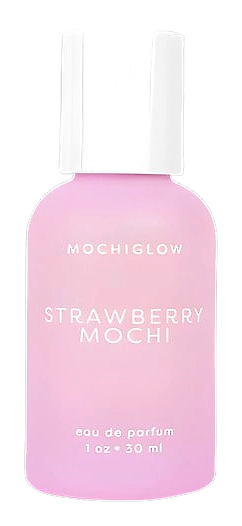
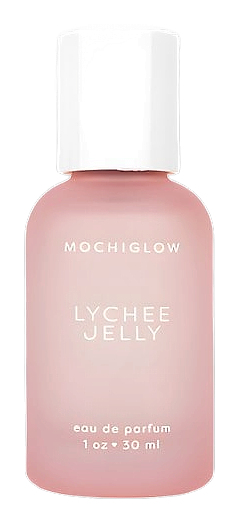
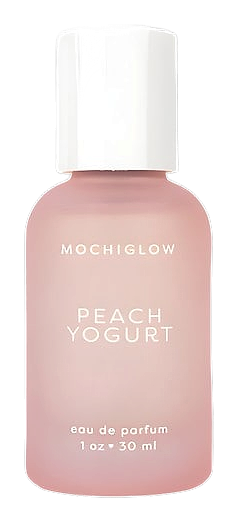
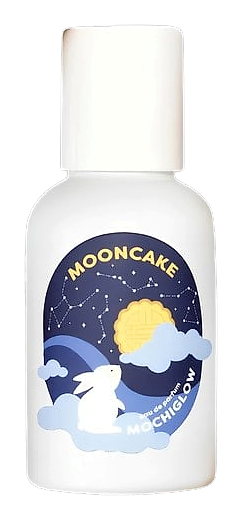
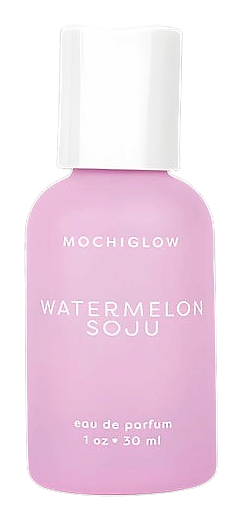
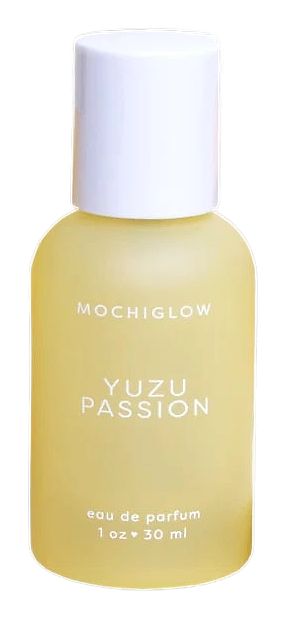
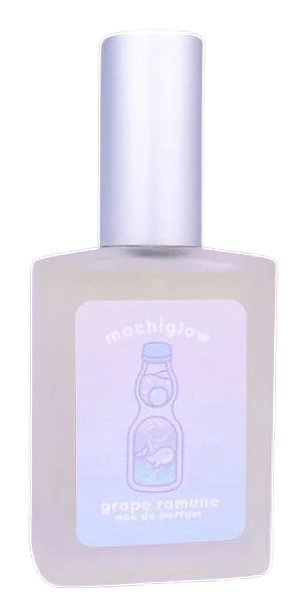
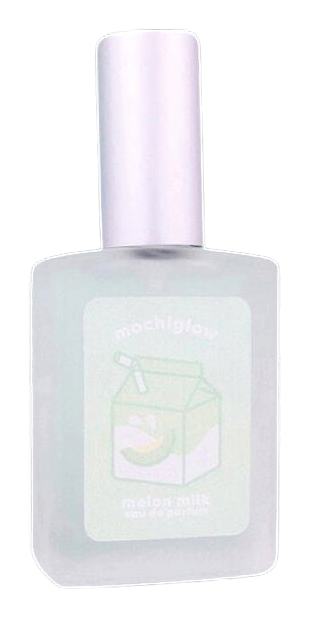
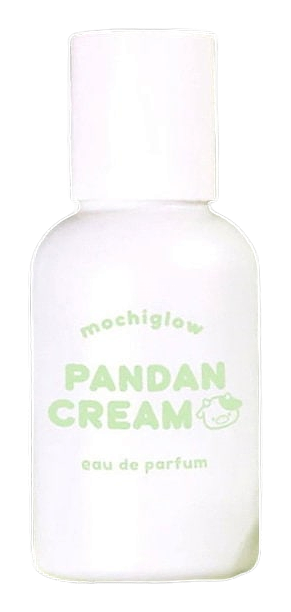
MochiglowMochiglow creates handcrafted fragrances inspired by Asian desserts, snacks, and beverages. The brand translates familiar comfort foods and drinks into wearable scents, working exclusively with small-batch production methods in California. Their portfolio draws from treats like lychee, mango sticky rice, strawberry mochi, and watermelon soju, positioning each fragrance as an olfactory recreation of specific food memories. The company operates as a family-owned, female-founded AAPI small business, emphasizing a direct-to-consumer model that prioritizes authenticity over industry conventions. Their scent lineup spans from fruity captures like Grape Ramune to creamy interpretations like Cereal Milk, offering a distinct alternative to mainstream fragrance categories.
The Creator
Jenny ChangGiven her technical background, Chang likely gravitates toward precise, well-structured scent profiles. Her engineering sensibility suggests an appreciation for clean execution and balanced compositions.