The Story
Why it exists.
The beginning
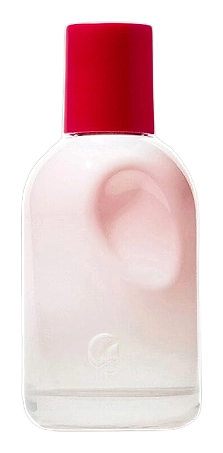
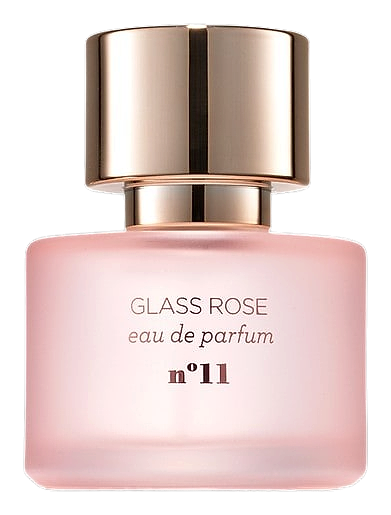
Glass Rose arrived in 2021, composed by Vincent Kuczinski as a floral that earns its place in a rotation, not a signature. The brief seemed to be a rose that doesn't ask for the whole room. A flower garden tucked between buildings, accessible and unpretentious, designed to mix, layer, or stand entirely on its own. Fresh, a little green, grounded in real earth rather than fantasy. It's the kind of composition that knows exactly what it is and doesn't overstay its welcome. What sets Glass Rose apart from the start is its sense of restraint, a confidence in letting individual notes breathe without crowding the composition.
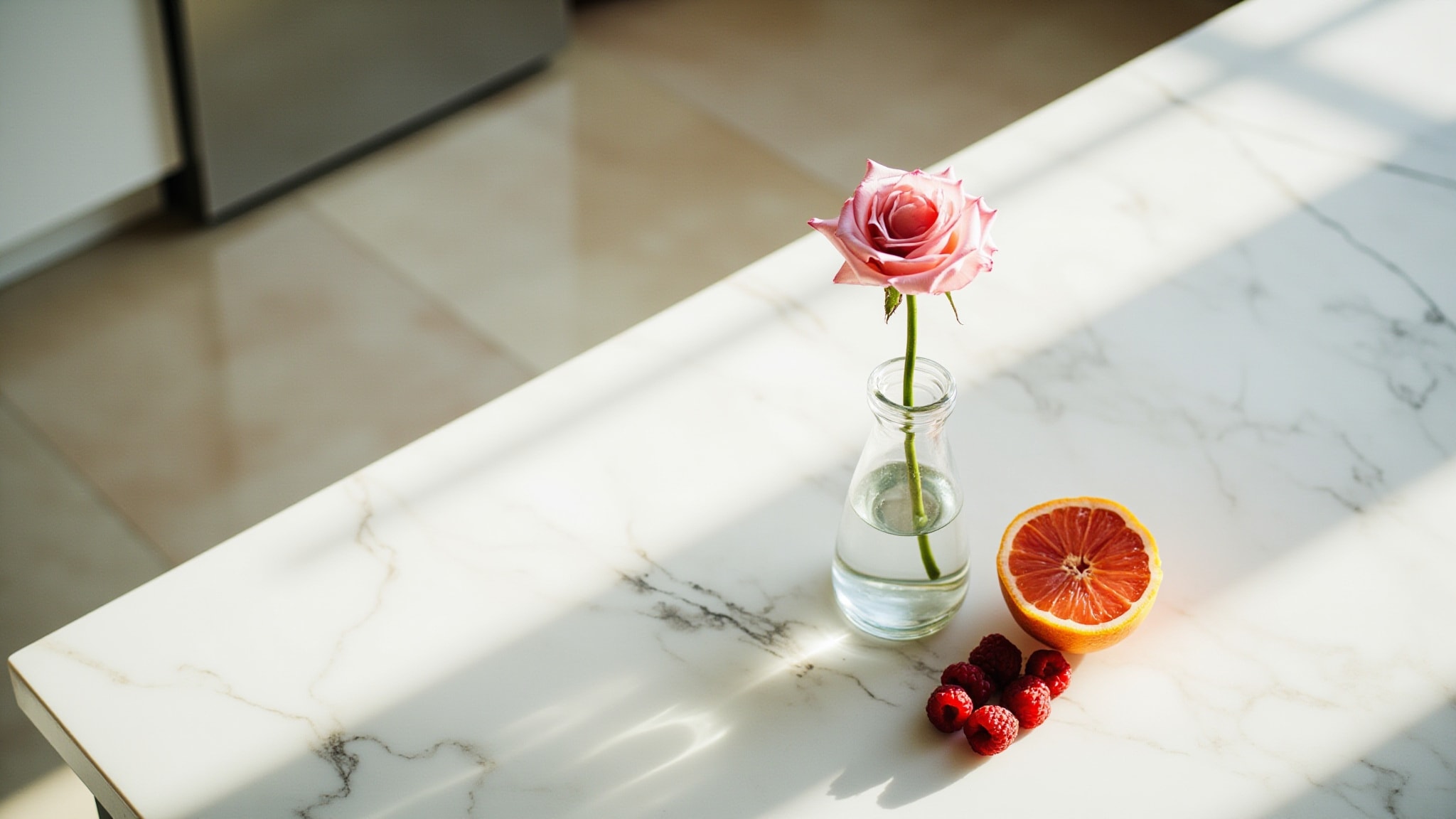
What makes Glass Rose structurally interesting is the tension between its bright, almost effervescent top and its surprisingly earthy base. Freesia and grapefruit give the opening a sparkling quality that feels more like a walk through a garden after rain than a formal bouquet. Raspberry threads through the heart, adding a tart sweetness that keeps the rose from tipping into powdery territory. Then the cedar and moss arrive and ground everything. The combination of fruit and forest, sweetness and soil, gives the composition a range that holds attention well past the first impression.
The evolution
The first impression belongs to citrus. Bergamot and grapefruit cut through with a clean, almost sparkling brightness that feels like stepping outside into cool morning air. There's a green sharpness here that keeps it from reading as a simple fruit splash. The freesia softens the citrus's edges, lending a delicate, almost watery quality that recalls petals still holding dew. As the opening settles, the rose begins to surface, but it doesn't arrive alone. Freesia continues to soften the transition, and raspberry adds a tart, slightly sticky sweetness that keeps the floral from going austere. The heart finds its center: floral but never heavy, sweet but never cloying. The raspberry here behaves less like a sugary fruit note and more like the bright, slightly sour edge of a fresh-picked berry, lending the rose a juiciness that keeps it feeling alive rather than static.
Cultural impact
Mix:Bar's approach, affordable, layerable, unpretentious, opened up a new way of thinking about fragrance. Glass Rose sits comfortably within that ethos, a scent that doesn't demand to be the only thing you're wearing. The rose here knows its lane: fresh, wearable, and ready to play well with whatever else is in the collection. It offers a kind of quiet versatility that makes it easy to reach for, whether you're keeping things simple or building something more complex around it.
The House
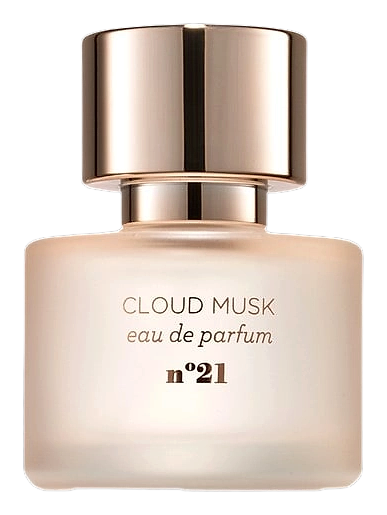
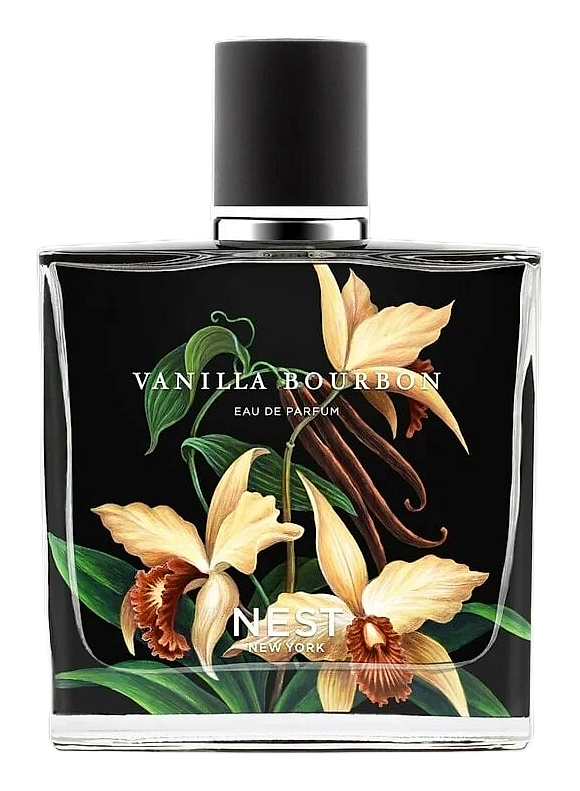
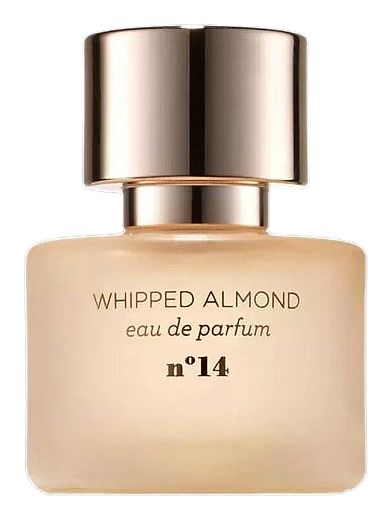
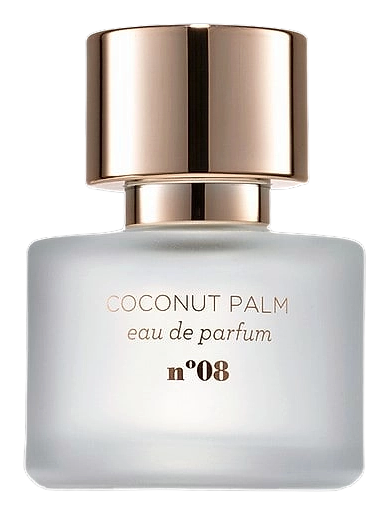
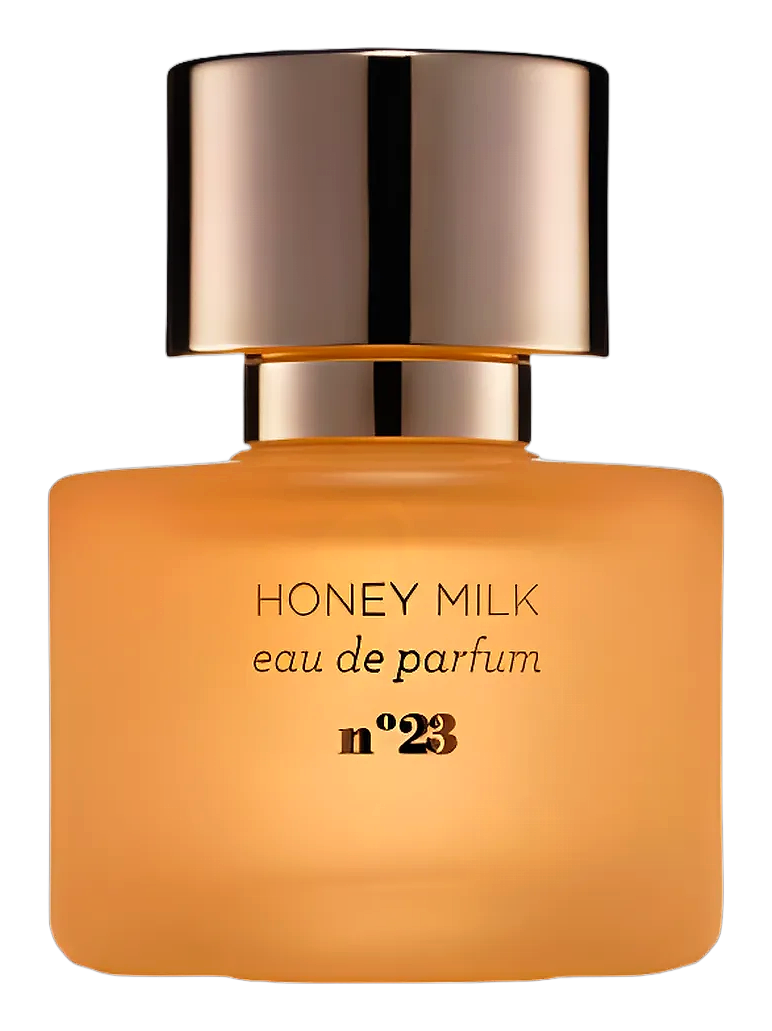
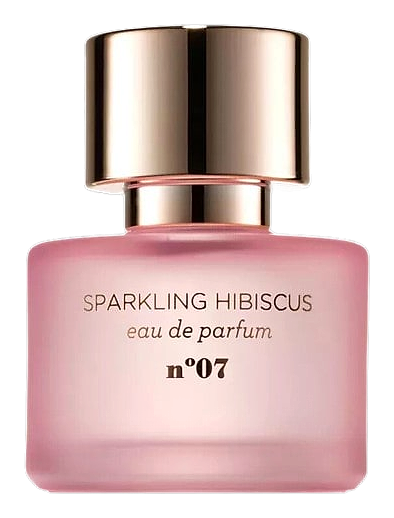
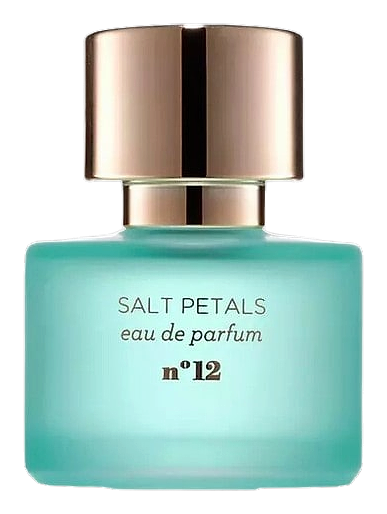
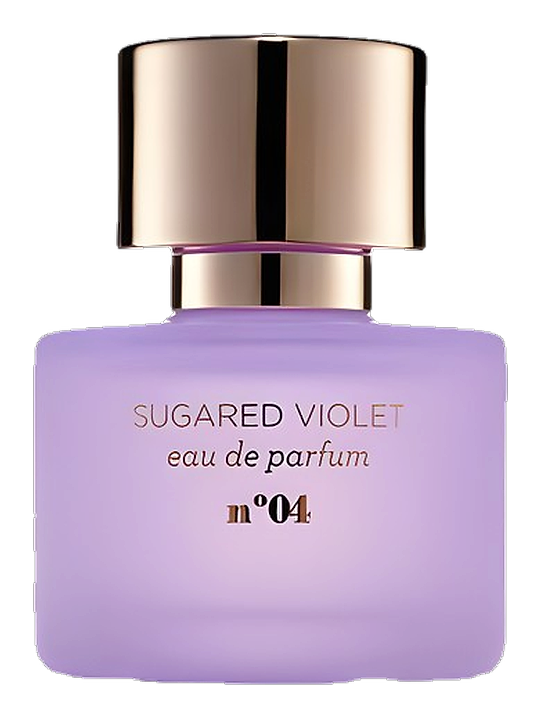
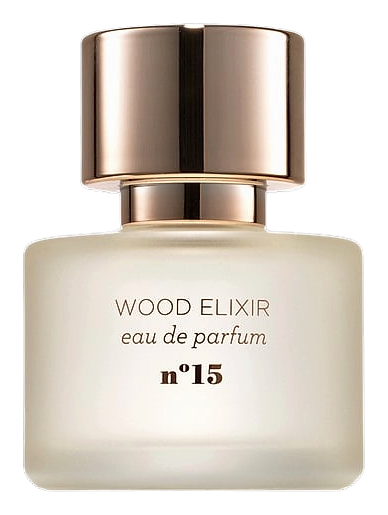
Mix:BarMix:Bar is an American fragrance brand that positions itself around the concept of layering. The brand produces compact, affordable scents intended to be worn solo or combined with others to create personalized combinations. The collection spans gourmand, florals, musks, and woody notes. Perfumer Alexandra Monet serves as the in-house creative nose for the brand. Mix:Bar launched at Target in 2021, entering the mass-market fragrance space with a positioning centered on playfulness and self-expression through scent. The brand's catalog includes notable entries such as Cloud Musk, Coconut Palm, Vanilla Bourbon (Eau de Parfum, 2024), Honey Milk, and Sugared Violet. Mix:Bar characterizes its formulations as free from parabens and phthalates, vegan, and cruelty-free. The brand's website describes its fragrances as "pure and personalized," with the core proposition being that scent discovery is a personal rather than prescribed experience.
The Creator
Vincent KuczinskiKuczinski's four decades have given him fluency across fragrance families and categories. His work spans fine fragrance and beauty applications, a versatility that reflects American perfumery's breadth.