
The Story
Why it exists.
The beginning
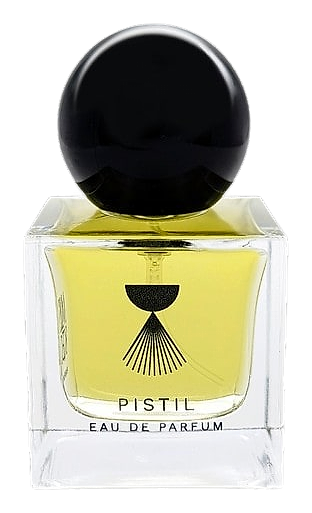
Pistil takes its name from the central, reproductive organ of a flower, the part that doesn't get photographed, the part that does the actual work. The name points to something elemental: the part of a bloom that holds the scent of living, growing things, not the idealized version of a flower that sits on a gift shop shelf. The result is a fragrance built around botanical authenticity, capturing green, slightly animal, insistent qualities that most florals don't attempt. These qualities are what give the scent its character. The name is a signal. It suggests a fragrance that refuses the ornamental, choosing instead to focus on the raw, essential qualities of botanical material.
The note structure refuses the obvious. Galbanum provides that sharp, green, almost bitter quality that smells like the stem of a plant cut open. Costus brings an animalic warmth that sits close to skin, the kind of note that divides people but never fails to be interesting. Vermouth adds a boozy, bitter edge that keeps the florals from reading as sweet. The result is a fragrance that smells like a meadow after rain: green, alive, slightly unkempt. That's the point. The composition doesn't aim for a floral that belongs in a shop. It aims for one that grew.
The evolution
Galbanum opens with sharp, green intensity, like pressing your face into a field of uncut grass. Narcissus sits underneath, adding a powdery, almost narcotic sweetness that tempers the green without softening it. The heart is where the fragrance earns its character: jasmine sambac and violet create a rich, powdery, intensely floral presence, the kind of scent that lingers in a room without announcing itself. Raspberry adds a flicker of fruit that keeps the florals from becoming heavy. Cedarwood and lavender absolute eventually ground the whole thing in something woody and aromatic. The drydown holds close to skin, warm, the kind of scent someone notices when they're standing beside you.
Cultural impact
Costus and galbanum bring intense botanical qualities to the composition. These materials carry green, animalic characteristics that shape the fragrance's character rather than conforming to conventional sweetness. Their presence suggests a commitment to botanical authenticity over ornamental florals. The result is a scent that doesn't apologize for its honesty.