The Story
Why it exists.
The beginning
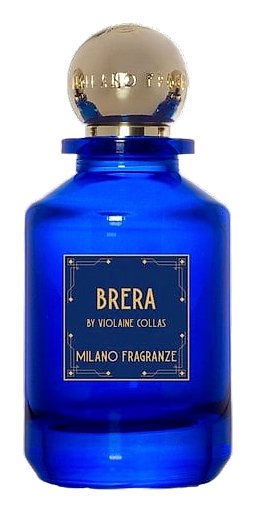
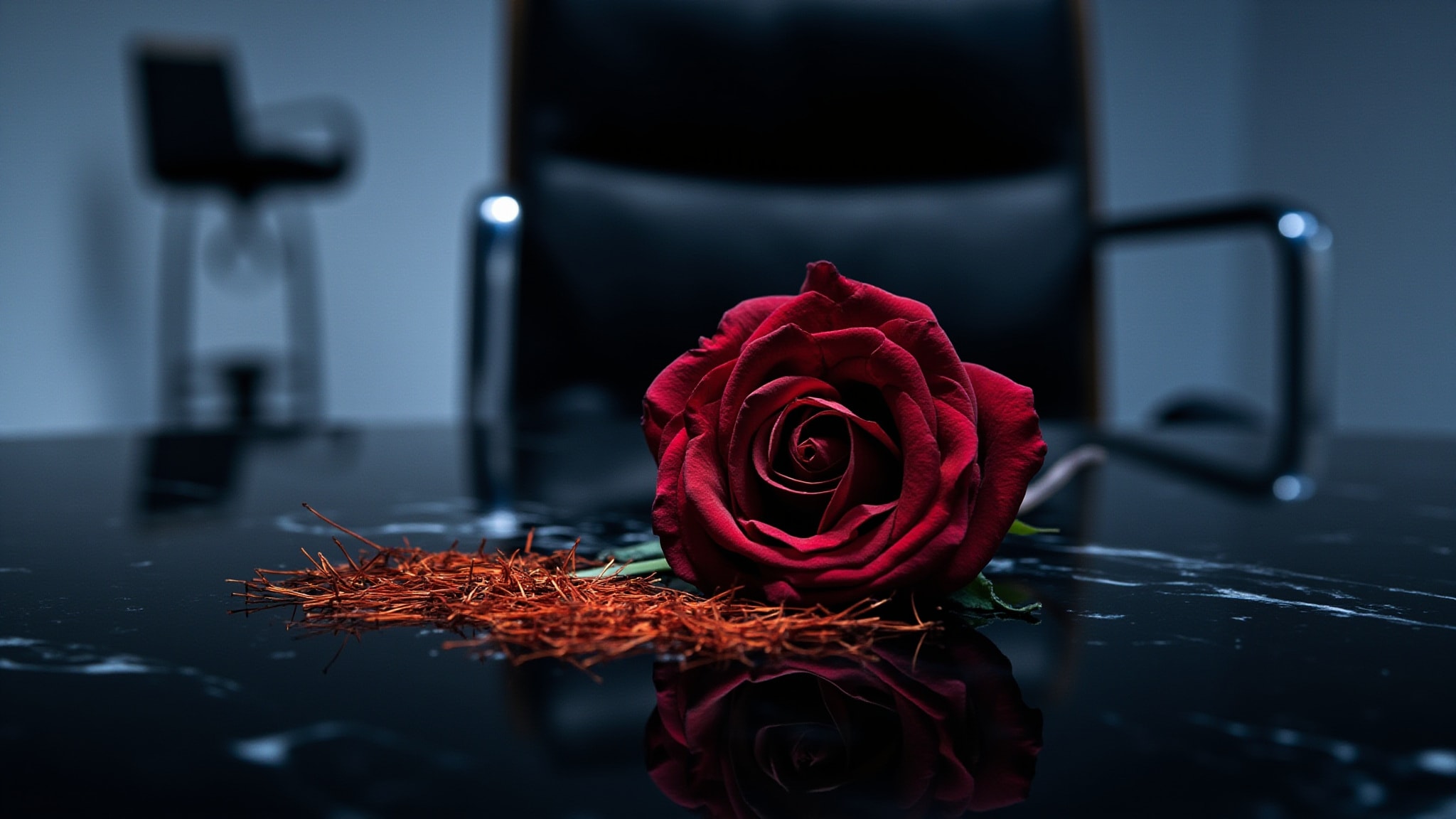
Brera is a district in Milan, the kind of neighborhood where Renaissance paintings hang in the Pinacoteca and the streets remember what prestige smells like. Milano Fragranze named this fragrance for that place, for the gallery district where art isn't history, it's atmosphere. The brand's own copy describes paintings coming to life at night in the gallery, roses blooming in Hayez's kiss, Caravaggio's shadows deepening into patchouli. A Renaissance of rose, saffron, and patchouli. That's how the house describes it. That's what the fragrance delivers. The saffron opens bright and metallic, catching light like gilded frames in a darkened museum. The rose absolute then emerges, rich and unapologetic, while the patchouli anchors everything in deep, earthy darkness.
What makes this composition unusual is its willingness to be confrontational in the opening, then completely surrender in the drydown. Saffron brings its characteristic metallic, almost medicinal brightness, the smell of something expensive and ancient. Bergamot softens it slightly, adds citrus, but the chili keeps things sharp, herbal, slightly dangerous. The contrast between that opening and the rose-geranium heart is stark. The rose absolute doesn't arrive gently. It asserts itself with Bourbon geranium's spicy, rosy-green character and jasmine's creamy depth, holding its ground against the lingering heat.
The evolution
The saffron hits first, bright and metallic, that characteristic saffron sharpness that borders on medicinal before settling. Bergamot and chili follow, bringing citrus and a herbal heat that keeps the opening from being purely precious. This phase lasts before the rose takes over completely. The heart is where Brera earns its reputation. Rose absolute arrives with Bourbon geranium and jasmine, creating a rich, intensely floral phase that doesn't apologize for its femininity or its spice. Some wearers describe it as almost gothic, dark, earthy, with a savory quality that recalls leather or oud despite containing neither. The patchouli is present here too, grounding the florals and adding depth. As time passes, the florals begin to recede. Patchouli and vanilla take over, with labdanum adding its warm, resinous character. The sillage moderates from strong to intimate.
Cultural impact
Brera appeals to wearers who want fragrance to have actual weight, people who appreciate intensity and don't need permission to wear something bold. Brera's particular combination of saffron's metallic heat and rose's gothic depth makes it stand out. The reception reflects its specificity: wearers who connect with the opening tend to become advocates; those who find saffron challenging rarely convert. That divisiveness, paradoxically, is part of what makes it memorable. The fragrance demands attention, and those who wear it often find themselves fielding questions about what they're wearing.