







Heritage
A house, in its own words
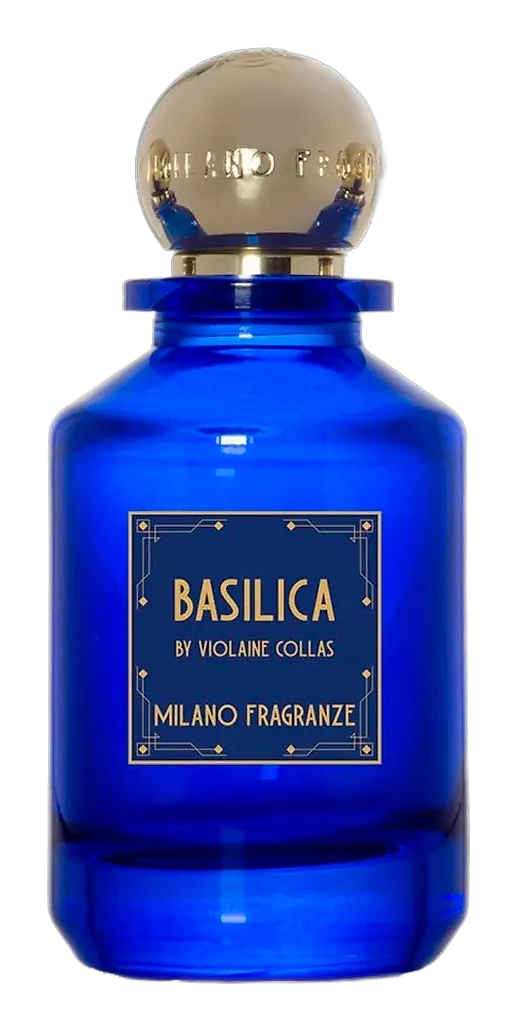
The roots of Milano Fragranze trace back to Masque Milano, a fragrance house founded by Riccardo Tedeschi and his creative partner, who established the brand with a theatrical approach to Italian perfumery. When the parent company launched Milano Fragranze in 2020, the move represented a deliberate pivot toward celebrating Milan itself as the central muse. Alessandro Brun assumed artistic direction, bringing a curated sensibility to developing scents that capture the character of specific Milanese neighborhoods and experiences. The timing placed the brand within a renaissance of Italian niche perfumery, as Milan solidified its reputation alongside Paris and Grasse as a center for artisanal fragrance creation. While Milan lacks the centuries-old institutional heritage of some European perfume capitals, its modern identity as a capital of design, fashion, and contemporary culture provided fertile ground for a brand built entirely around the city itself. The decision to name fragrances after real Milanese places, rather than abstract olfactory concepts, set Milano Fragranze apart in the niche market. What emerged was a project that functions as both perfume collection and cultural portrait, inviting wearers to experience Milan through scent memory. The house does not attempt to reconstruct olfactory archives of the past. Instead, it works from contemporary Milan, interpreting districts, moments, and atmospheres that define the city today. This connection to place runs through every release, from the first collection in 2021 through more recent compositions. Milano Fragranze treats the city of Milan not as a vague inspiration but as a precise creative brief. Each fragrance begins with a specific Milanese reference, whether a neighborhood, a landmark, a cultural moment, or a sensory experience associated with the city. The naming convention makes this explicit, inviting wearers to connect a scent directly to a place they know or wish to discover. This approach relies on interpretation rather than documentation. The brand does not attempt to reproduce the smell of a location. Instead, it translates the feeling, atmosphere, and identity of a place into olfactory compositions. The emotional resonance matters more than literal accuracy. The house operates under the belief that a great city has many characters, and each one deserves its own expressive treatment. Milan in autumn carries different weight than Milan at noon or Milan during a particular celebration. These variations become the subject matter. Alessandro Brun shapes this vision through selective perfumer collaborations, choosing调配 partners whose technical approach aligns with the brand aesthetic. The compositions tend toward refinement over spectacle, suggesting landscapes and moods rather than announcing themselves loudly. This restraint reflects something in the Milanese character itself, an understated confidence that values quality over volume.