The Story
Why it exists.
The beginning
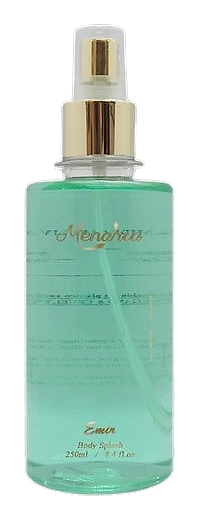
Emir takes its name from the Arabic title for a commander or leader, someone who carries weight without needing to raise their voice. Menahra, the Brazilian house that has spent over four decades learning what a fragrance needs to feel personal, built this one around that idea. Not power as volume. Power as restraint. The aromatic structure, herbs first, then wood, reads like a man who doesn't explain himself. That's the brief. That's Emir.
What makes the composition work is the hand-off between heart and base. Lavender and sage don't just set up the drydown, they transform it. Cedar and vetiver arriving against that herbal backdrop doesn't feel like a shift. It feels like the same conversation, getting quieter. Many masculine fragrances treat the base as a reset. Emir treats it as a continuation. The juniper matters here too. It's the bridge between the green opening and the woody close, and it's what keeps the whole thing from feeling like two different fragrances stapled together.
The evolution
The opening hits fast, ginger's clean heat, the tartness of green apple, a quick flash of bergamot. The heart is where Emir earns its name. Lavender dominates, but sage and juniper keep it from going barbershop. This isn't your grandfather's fougère. It's herbal and aromatic without being dusty. The base is intimate. The vetiver is the material that outlasts everything else, it holds on past the six-hour mark, quieter but present, like a signature rather than a shout.
Cultural impact
Emir enters a specific moment in masculine fragrance, a lean away from the sweet, versatile gender-blurring scents that dominated the early 2020s, toward something more structured and traditional. It's aromatic without nostalgia. The kind of fragrance a man chooses when he already knows what he likes. In Menahra's catalog, it sits alongside the house's other masculine compositions as proof that four decades of experience produces something with real backbone.