The Story
Why it exists.
The beginning
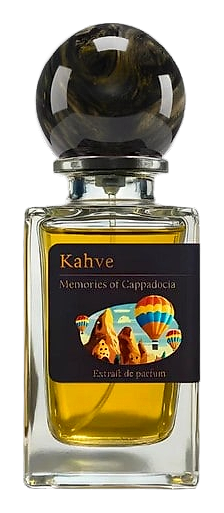
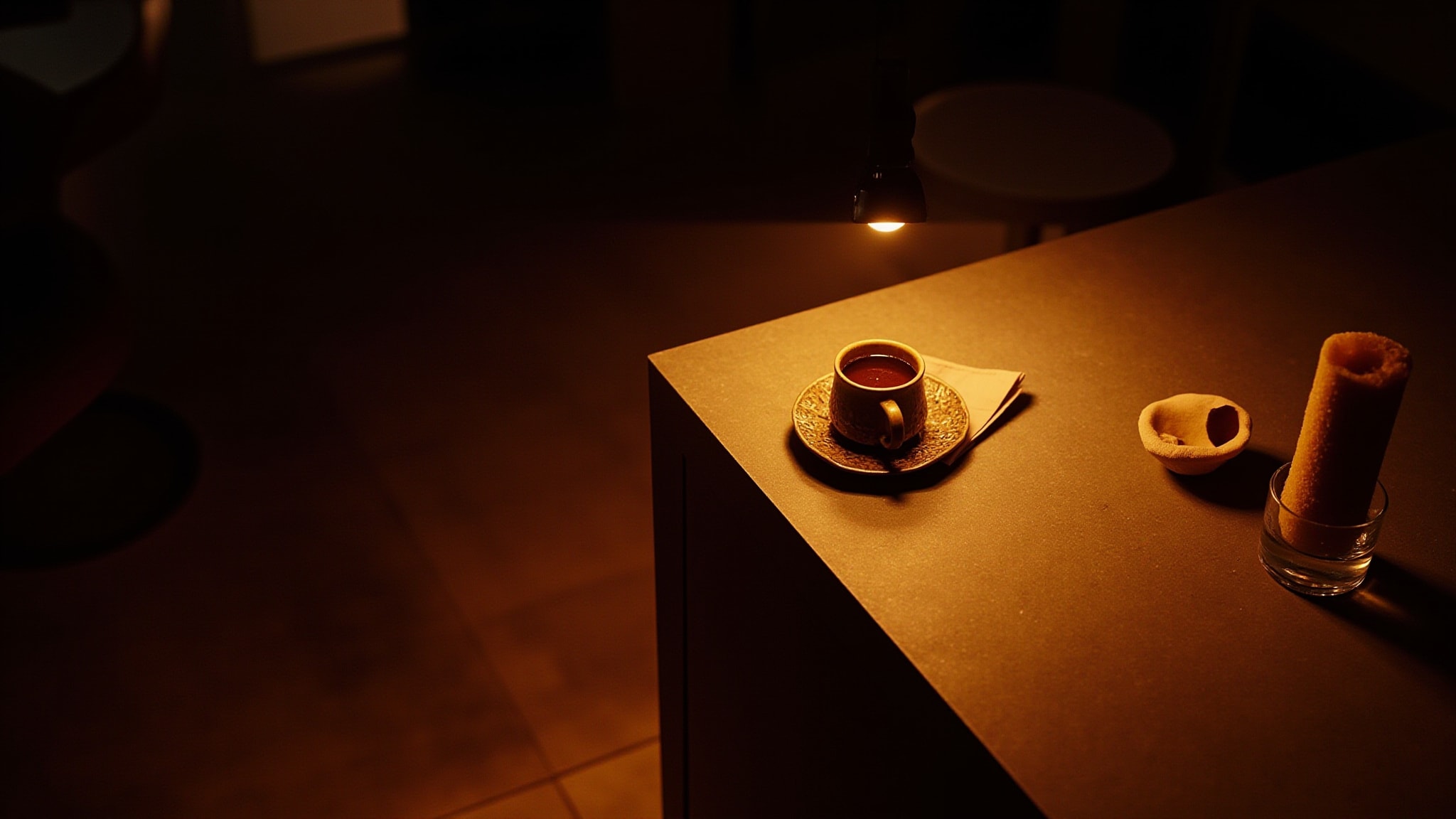
Kahve launched in 2022, the work of perfumer Osmar Valadez, and the name does exactly what you'd expect. Kahve is Turkish for coffee, and the fragrance builds itself around that single word. Not a coffee dessert, not a latte, not a mocha. The bitter, cardamom-adjacent warmth of a small cup, served thick and dark, in a room where the conversation has gone late. Memories Parfums operates in the territory of scent-as-autobiography, translating specific places and moments into bottled compositions. Kahve is one of the more literal entries in the catalog, a direct translation of a feeling rather than an abstraction. The choice to anchor everything to coffee, rather than treat it as one note among many, gives the composition its center of gravity.
What makes Kahve interesting is the structural choice underneath the coffee. Rather than letting the central note carry the opening and bowing out, Valadez builds a spice architecture around it. Ginger, cinnamon, clove, nutmeg. Frankincense threads through the heart. The result reads warmer and more Middle Eastern than the name alone suggests, a Turkish coffee that has been set down next to a hookah and a tray of cardamom sweets. The oud and sand in the base are doing quiet, important work. The sand gives the drydown a mineral, almost desert-floor quality that prevents the vanilla and amber from going soft.
The evolution
The first thirty minutes are the loudest Kahve gets. Coffee, sharp and unsweetened, cut by ginger's clean burn and the first flicker of cinnamon. There is a dusty frankincense edge that arrives early and never quite leaves, threading through the entire wear. It smells like a café that has been open for decades, the kind where the espresso machine has stained the wall. As the first hour passes, the coffee softens into something rounder. Clove and nutmeg take over the front of the composition, pushing the coffee deeper into the structure. Vanilla starts to register, not as sweetness but as warmth, the way cream behaves when it meets Turkish coffee ground thick. The amber underneath begins to glow. By hour three or four, the composition has rearranged itself entirely. The sand note becomes more apparent, a dry mineral texture that keeps everything from sliding into pure sweetness. The oud is there if you press your nose to skin, a dark wood presence rather than anything animalic.
Cultural impact
Kahve commits to the unsweetened, spiced version of coffee, the Turkish or Arabic preparation rather than the Italian. That structural choice shapes the entire composition, pulling it toward resinous warmth and aromatic spice rather than milky sweetness. The opening carries the dark, slightly bitter edge of roasted beans, sharpened by cardamom and the smoky lift of black pepper, before settling into a base of amber, oud, and labdanum that gives the drydown real weight. As the hours pass, the coffee note softens and integrates with the woods, leaving behind a trail that reads smoky, faintly sweet, and dry rather than syrupy.