The Story
Why it exists.
The beginning
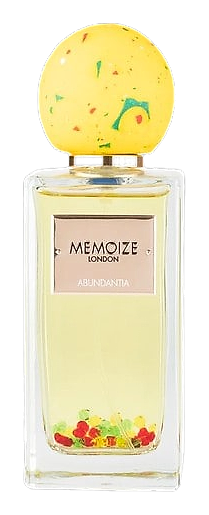
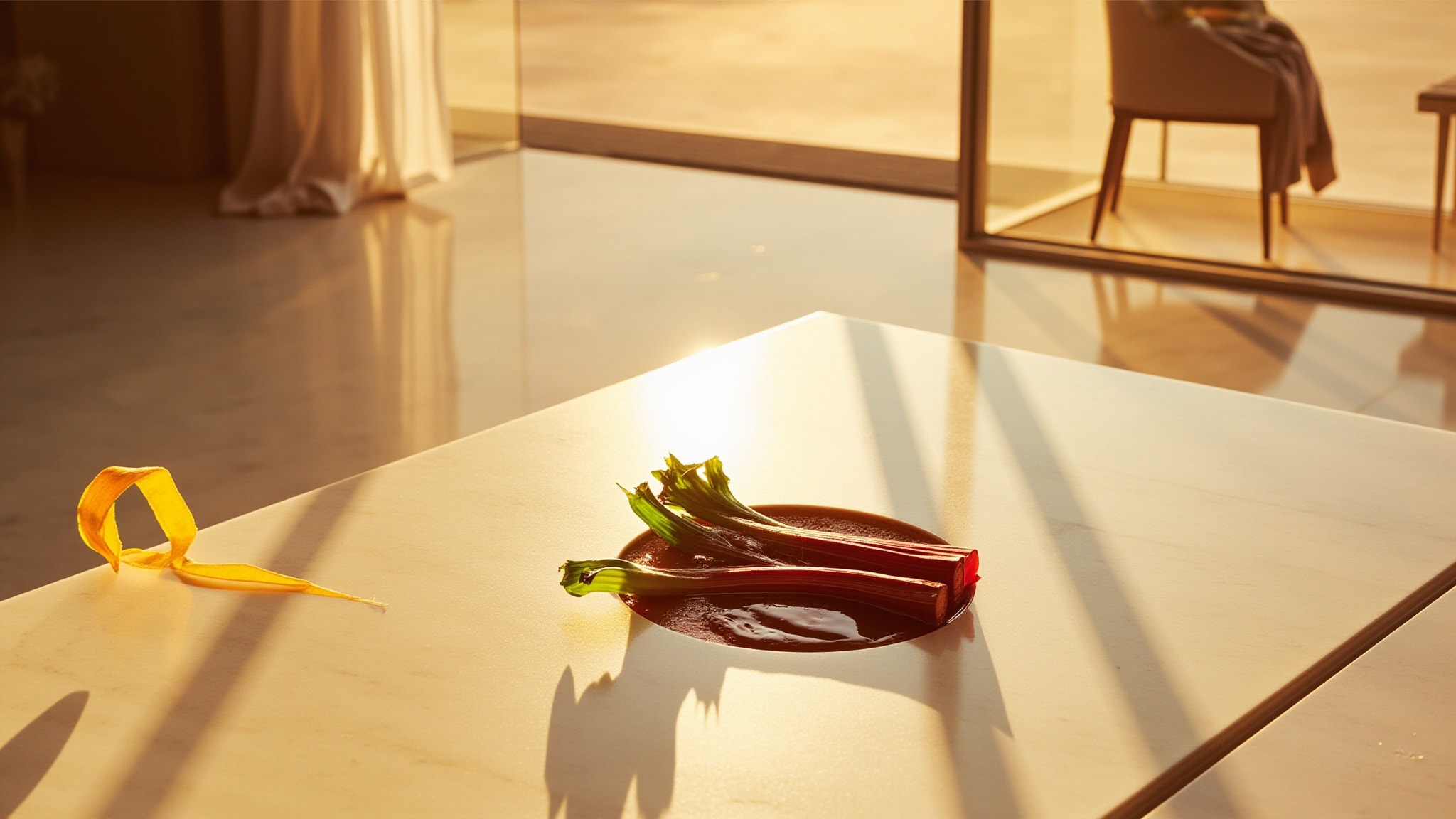
Memoize London built its identity on scent as autobiography, each fragrance arrives attached to a story prompt, inviting the wearer to supply the memory. Abundantia breaks the pattern. Named for the Roman goddess of abundance and plenty, it captures a feeling rather than a moment. No specific memory is required. The brief, if Tristan Badard had one, was simply: exuberance, translated into raw materials. How do you bottle the sensation of a moment too sweet to hold, one you want to recreate and bask in? Rhubarb answered first, tart, almost biting. Then mandarin, a brightness that doesn't apologize for itself. Bergamot added refinement. The structure arrived from the feeling outward, not the other way around.
What makes Abundantia unusual within the Memoize range is its refusal to stay still. The top is crisp, almost sharp, a three-citrus burst that announces itself and means it. The heart introduces warmth that doesn't belong to the opening at all. Ginger, geranium, osmanthus. Spiced, green, faintly apricot-leathery. Osmanthus especially pulls against the brightness in ways that keep the middle from feeling predictable. Then the base shifts the register entirely. Caramel. Vanilla. Sandalwood keeping it from sliding into pure sweetness. Patchouli grounding everything. It's a fragrance that changes its mind midway through, and owns both versions.
The evolution
The opening hits immediately. Rhubarb's tartness leads, mandarin follows, bergamot smooths the edges. You smell it for twenty minutes, maybe thirty. Then the citrus begins to recede and something warmer takes the floor. Ginger first, clean heat, like spice without fire. Geranium and osmanthus arrive together, floral-green, slightly fruity. The osmanthus is the tell. It adds a note most wearers won't identify but will feel: a faint apricot warmth that keeps the heart from being merely spicy. Then the base. Caramel arrives with its edges slightly burnt. Vanilla amplifies, doesn't sweeten. Sandalwood and patchouli add weight and something almost mineral. The drydown lasts. Outlasts the citrus by hours. On fabric, it lingers into the next day, a warm amber that surprises you in the morning. Some skin types will find the caramel dominant. Others will catch the citrus threading through the entire arc, keeping the sweetness honest.
Cultural impact
Abundantia sits comfortably in the niche-floral-gourmand space, the territory of Kilian's Good Girl Gone Bad, Byredo's Young Rose, or Diptyque's Do Son. What distinguishes it is the rhubarb. Most floral-gourmands open with something expected: rose, tuberose, neroli. Rhubarb is tart, unusual, immediately identifiable. It earns attention before the sweetness arrives. The ginger in the heart reinforces this, it's spiced without being heavy, warm without being oriental. The overall effect is a fragrance that flirts with sweetness but never fully commits, keeping one foot in the fresh and one in the warm. That's the appeal for those who find pure gourmands too much and pure florals too little. Abundantia occupies the negotiation.