The Story
Why it exists.
The beginning
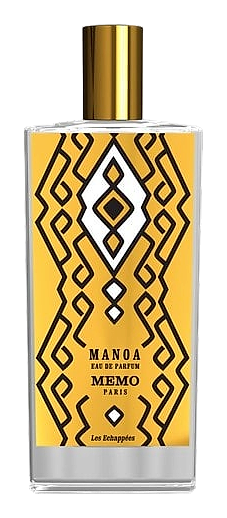
Manoa draws from legend rather than geography. The name refers to the mythical island of El Dorado, the city of gold where, according to Inca lore, offerings were carried across sacred waters and unloaded on shores formed by centuries of accumulated treasure. The fragrance translates that imagery into scent, warmth as wealth, amber as sunlight, resin as the weight of something ancient and precious. This is memory as luxury, not status.
The structural choice here is the ginger. In a composition built on warm amber and sweet vanilla, the risk is stagnation, sweetness compounding into something heavy and one-dimensional. The ginger opening is Memo Paris refusing that outcome. It functions as a redirect: the bergamot and lemon arrive sharp and bright, then the ginger cuts through before the honey and resin can settle into comfortable territory. The result is a fragrance that earns its warmth rather than inheriting it. The cypress and iris in the heart then shift the register, from citrus-spice to something powdery and almost mineral, the dry earthiness of cypress anchoring the softer tonka and iris that follow.
The evolution
The opening hits with a sharp clarity, ginger's clean heat, bergamot's citrus brightness, the lemon carrying just enough tartness to feel bright rather than sweet. For the first thirty minutes, this is a spicy citrus. Then the tonka bean arrives. The coumarin note softens the edges, introducing a creaminess that wasn't there before, and the iris adds a powdery, almost violet-like undertone that deepens the composition. The amber isn't announced, it develops. By the second hour, the opoponax begins to assert itself, the balsamic warmth building from underneath while the ginger finally recedes. The drydown is where Manoa earns its name. Opoponax, vanilla, and labdanum merge into something resinous and honeyed, warm wood, sweet gum, the texture of golden light. On fabric, this stage can last until the next morning. The opoponax especially has longevity: a slightly animalic, honeyed sweetness that clings to skin and clothing well past twelve hours on many wearers.
Cultural impact
Manoa sits comfortably within Memo Paris's philosophy of fragrance as travel and memory. The 2010 release arrived during a period when amber-vanilla compositions were being redefined, warmer, more complex, less dependent on the heavy oriental template. What distinguished Manoa was its willingness to use ginger and cypress as structural elements rather than accents, giving the sweetness something to push against. It developed a following among those who appreciate resinous warmth without heaviness, and it remains a reference point for the Memo house's approach to oriental composition.