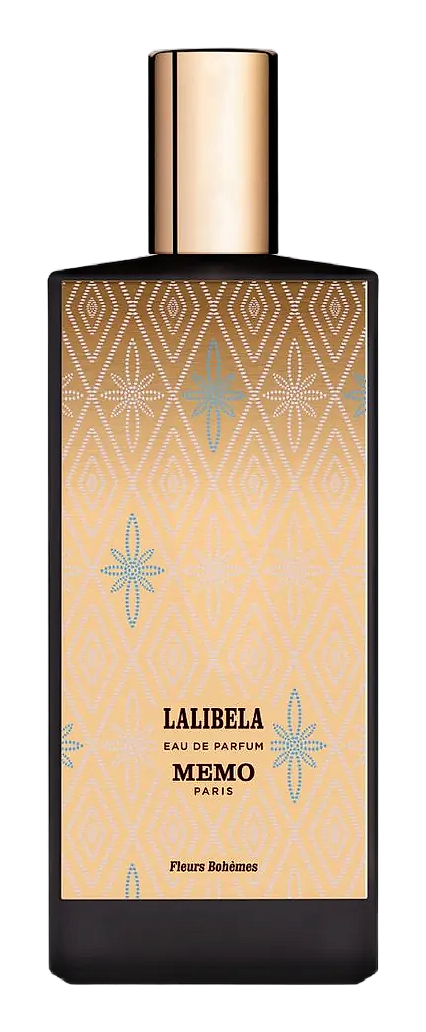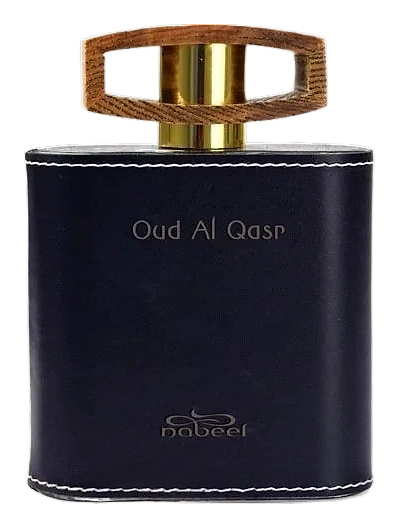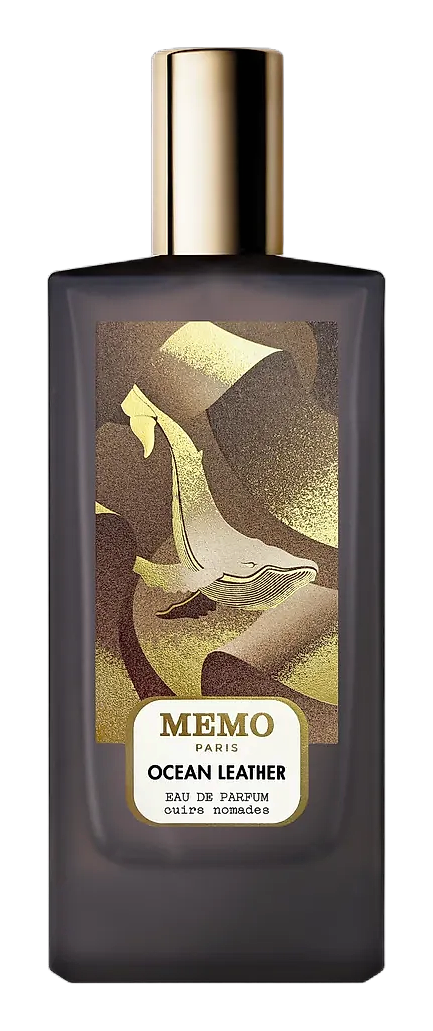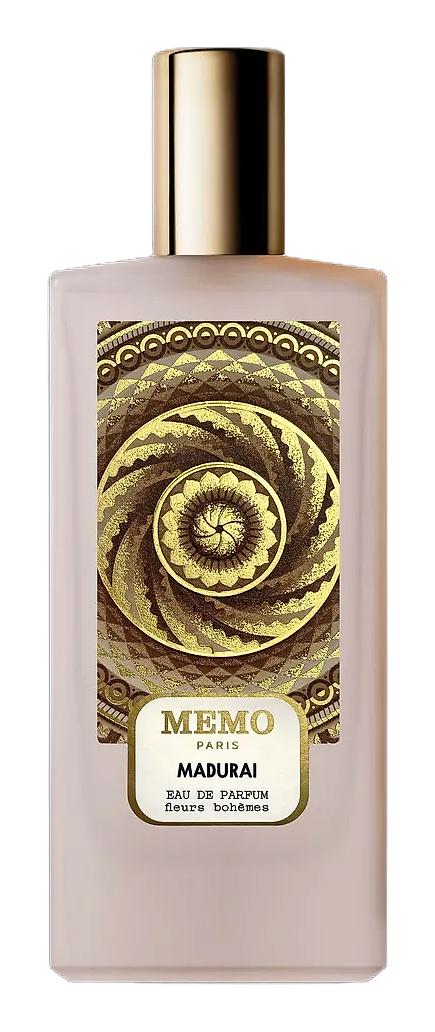
The Story
Why it exists.
The beginning
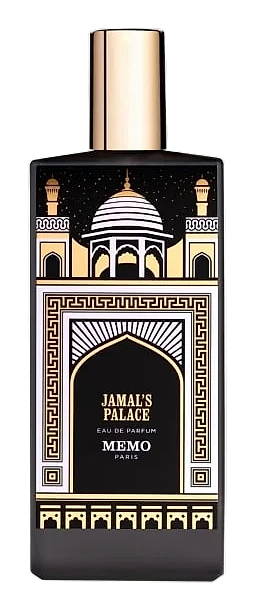
Jamal's Palace arrived in 2020 as part of Memo Paris's ongoing project of translating destinations into scent. The composition was crafted by Aliénor Massenet alongside Philippe Paparella-Paris, two perfumers who shaped the formula with careful attention to balance and contrast. There is no nostalgic postcard here. No romantic shorthand. Just the memory of a room that held too much history, compressed into one flacon. The fragrance reads as deliberate and composed, each material given room to speak without crowding its neighbors. Massenet and Paparella-Paris approach the brief with a kind of architectural restraint, layering textures rather than piling on sweetness, building something that feels architectural rather than decorative.
What makes this composition distinctive is the collision between gardenia and oud, two materials that rarely share the same sentence in mainstream perfumery. Gardenia brings creamy sweetness, the smell of a corsage left on a warm surface. Oud brings resinous depth and old wood. Memo Paris stacks them alongside saffron and turmeric, spices that read as both medicinal and luxurious, then grounds everything in leather and amber. The result is neither floral nor strictly oriental. It occupies the strange territory between, where creamy and resinous meet without canceling each other out.
The evolution
The first ten minutes belong to saffron, sharp and almost metallic, threading through gardenia's sweetness. Turmeric joins quickly, adding a dry, earthy warmth that softens the saffron's bite. Within thirty minutes the leather announces itself, not as a freshly tanned hide but as something older, weighted with time and use. The oud rises through the middle hours, not dominant but persistent, lending the composition a low hum of animal warmth. Cardamom surfaces in flashes throughout, bright and slightly green, keeping the whole thing from sinking into pure resin. By hour four the gardenia has faded to a memory, the saffron is long gone, and what remains is a close, intimate drydown of amber and oud with leather stitching everything together. On clothing the next morning, the amber comes forward. On skin, the oud wins.
Cultural impact
Jamal's Palace wears as a fragrance for someone who already knows they like oud, or someone willing to meet it halfway. It's not a crowd-pleaser in the way a fresh citrus or clean floral might be, but among those drawn to resinous, spice-driven compositions, it holds attention through its balance and structure. The gardenia-oud collision gives it a point of view that distinguishes it from straightforward oriental flankers. Wearers tend to be people comfortable with heavier materials, those who want their fragrance to register at a distance without overwhelming the room.