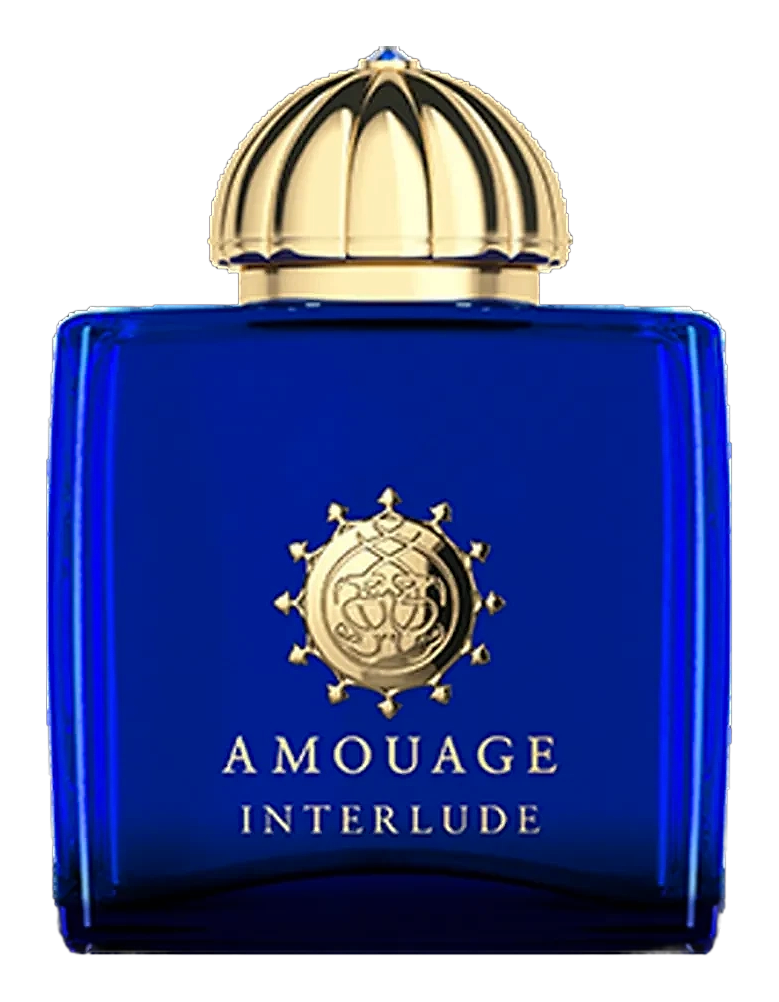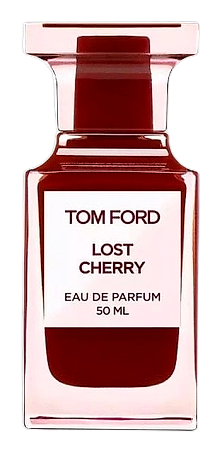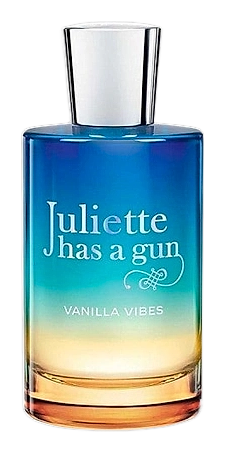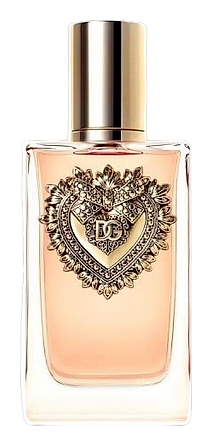
The Story
Why it exists.
The beginning
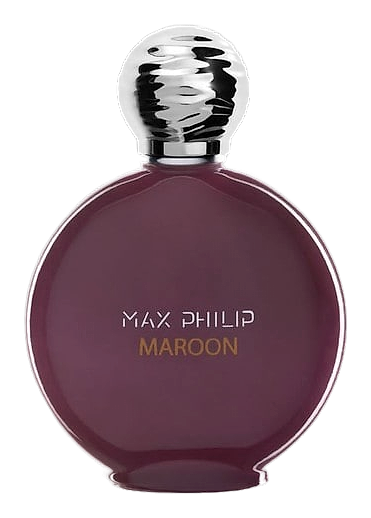
Max Philip launched Maroon in 2019, part of a collection built on the idea that color carries mood. Not red. Not brown. Maroon. The color of wine in a heavy glass, of velvet curtains catching lamplight, of a mood that's already settled before you walk into the room. Maroon reads like the chapter where confidence stops being performed and starts being assumed. The fragrance sits in a catalogue that ranges from color-named compositions to concept-driven pieces, each one wearing its title like a short, declarative title card rather than a poetic metaphor.
What makes Maroon interesting is the tension it sets up from the very first accord. Blackcurrant brings a dark fruit sweetness that feels almost edible, while bergamot keeps the opening from drifting into dessert territory. The heart lands on iris, which sounds classically pretty until you realize how the powdery iris reads against that dark fruit start. It pulls the fragrance toward something more grown-up. The iris does most of the structural work in the middle, holding the composition together with that cool, almost starchy hush that makes everything around it feel more intentional.
The evolution
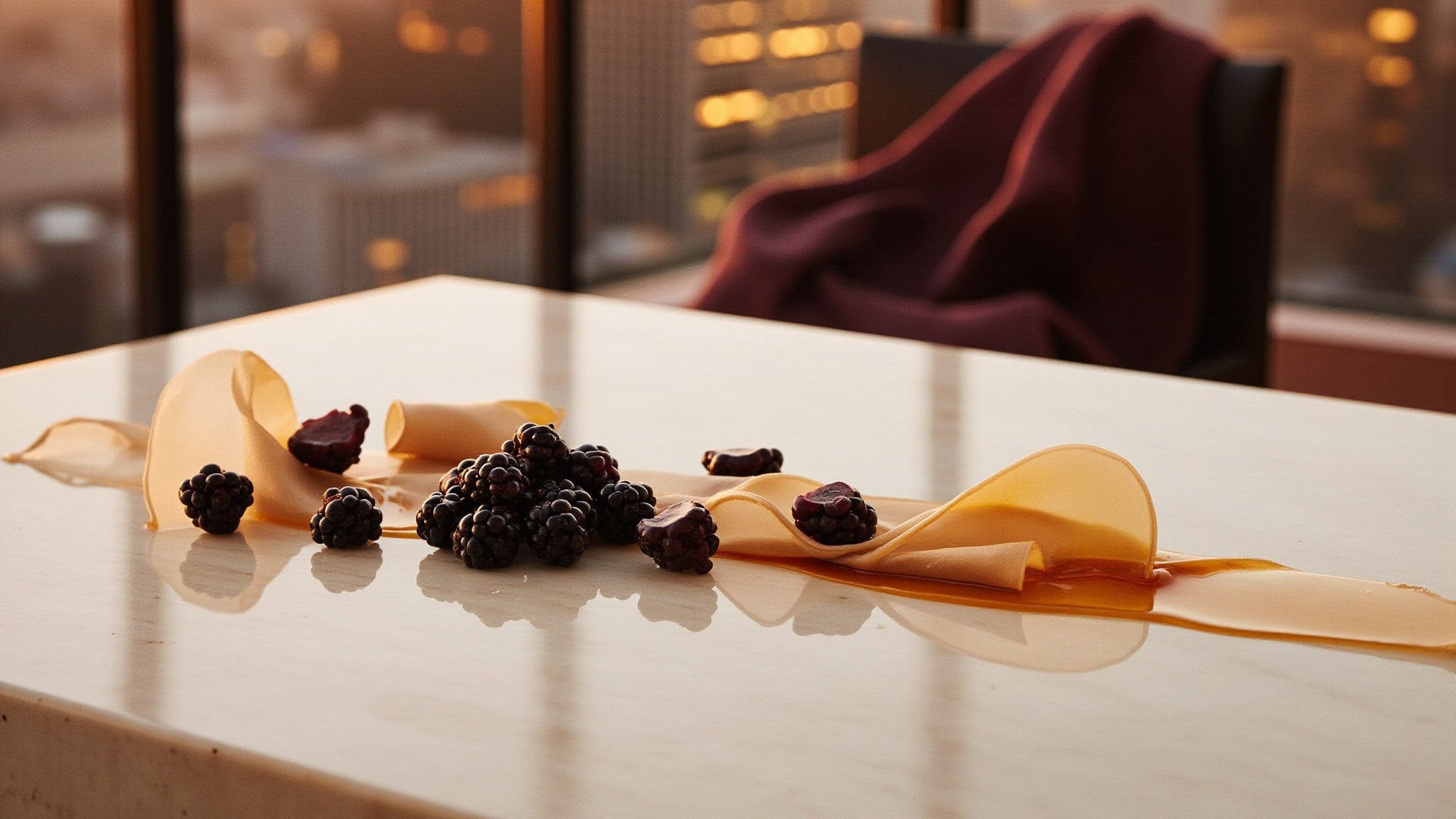
The first 15 minutes are bright and slightly tart, blackcurrant and bergamot doing their fruit-and-citrus handshake. Rose sneaks in underneath, adding a softness that keeps the opening from feeling sharp. By the 30-minute mark the heart takes over: iris arrives with that cool, powdery hush, and the composition pulls toward something more structured. This is where Maroon feels most composed, dusty and held together by the iris backbone. Then the caramel shows up. It doesn't announce itself, it accumulates, turning the powder warmer and rounder until the whole composition shifts from cool floral to something that reads like skin-warmed sugar. The cedarwood settles in underneath, and the final hours are all warmth. What lingers past the 5-hour mark is a soft caramel-cedar impression, the kind of scent that greets you the next morning on a sweater you forgot about.
Cultural impact
Maroon sits in an interesting pocket between two audiences: it's sweet enough to pull in anyone drawn to caramel and blackcurrant accords, but the iris backbone and powdery structure give it enough composure to appeal to wearers who usually skip past anything described as warm or edible. The caramel note is what makes the fragrance approachable at first sniff, while the iris is what keeps it from feeling one-note.