
The Story
Why it exists.
The beginning
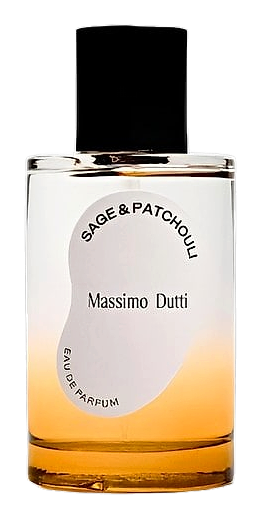
Sage & Patchouli arrived in 2026 as part of Massimo Dutti's ongoing fragrance line, a house that has built a reputation for quiet confidence and timeless style. The composition reflects exactly what that reputation suggests: a scent built around restraint, around texture rather than volume. The brand describes it as a fragrance of mild intensity with a woody, floral and citrus character, and that language matters. Nothing here is shouting. Bergamot, sage, iris, patchouli. Four notes, each given room to breathe, each doing a specific job. The name tells you almost everything you need to know, and the juice delivers on the promise without ornament.
What makes this composition interesting is its refusal to be more than it is. Sage & Patchouli goes the other direction, toward compression, toward letting four ingredients do the work that lesser compositions spread across a dozen. The structure is almost architectural, each material carrying structural weight. Sage brings the herbal backbone, sharp and green in a way that recalls crushed leaves and cool stone. Iris softens the edges, adding a powdery, slightly suede-like quality that keeps the sage from reading too austere.
The evolution
The first ten minutes belong to bergamot. Bright, slightly bitter, the kind of citrus that feels like late afternoon light through a window. It lifts off the skin fast, more suggestion than statement, and what it leaves behind is space. Around the thirty-minute mark, sage takes over. Not the dusty, dry sage of a kitchen cabinet, but something greener, cooler, with an almost mineral edge. The iris threads through it quietly, powdery and soft, giving the herbal sharpness a kind of restraint. This is the phase that lasts. Two to three hours where the composition holds its shape, neither pulling forward nor falling back. The patchouli arrives last, and it does not rush. It builds underneath, earthy and warm, never heavy, never sweet. What surprises is how the drydown behaves.
Cultural impact
Sage & Patchouli sits comfortably in the category of wardrobe scents: fragrances designed to complement rather than announce. It appeals to wearers who prefer their scent to feel like an extension of personal style, noticeable to those who lean in, invisible to a crowded room. The restraint itself becomes the statement, a quiet confidence that asks the wearer to let the composition speak through subtlety rather than volume.