The Story
Why it exists.
The beginning
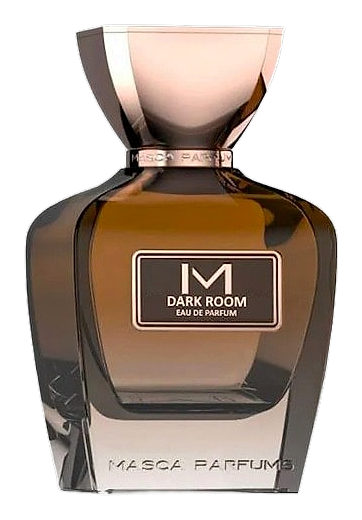
Dark Room launched in 2024 under Italian perfumer Lorenzo Orlandi Berti. Its name points toward a secluded, private atmosphere, and that idea shapes a scent that moves through several distinct registers. Rhubarb brings a bright, acidic edge into the opening, meeting marijuana for a green, rebellious charge. Tobacco arrives early too, lending depth and a sense of smoke before the composition has fully settled. Nothing about the progression is overly tidy. It shifts from fresh friction to woody darkness, inviting the wearer into a more guarded, atmospheric register. The result feels less like an accessory and more like a change in posture: closer, quieter, and considerably less interested in making a friendly impression.
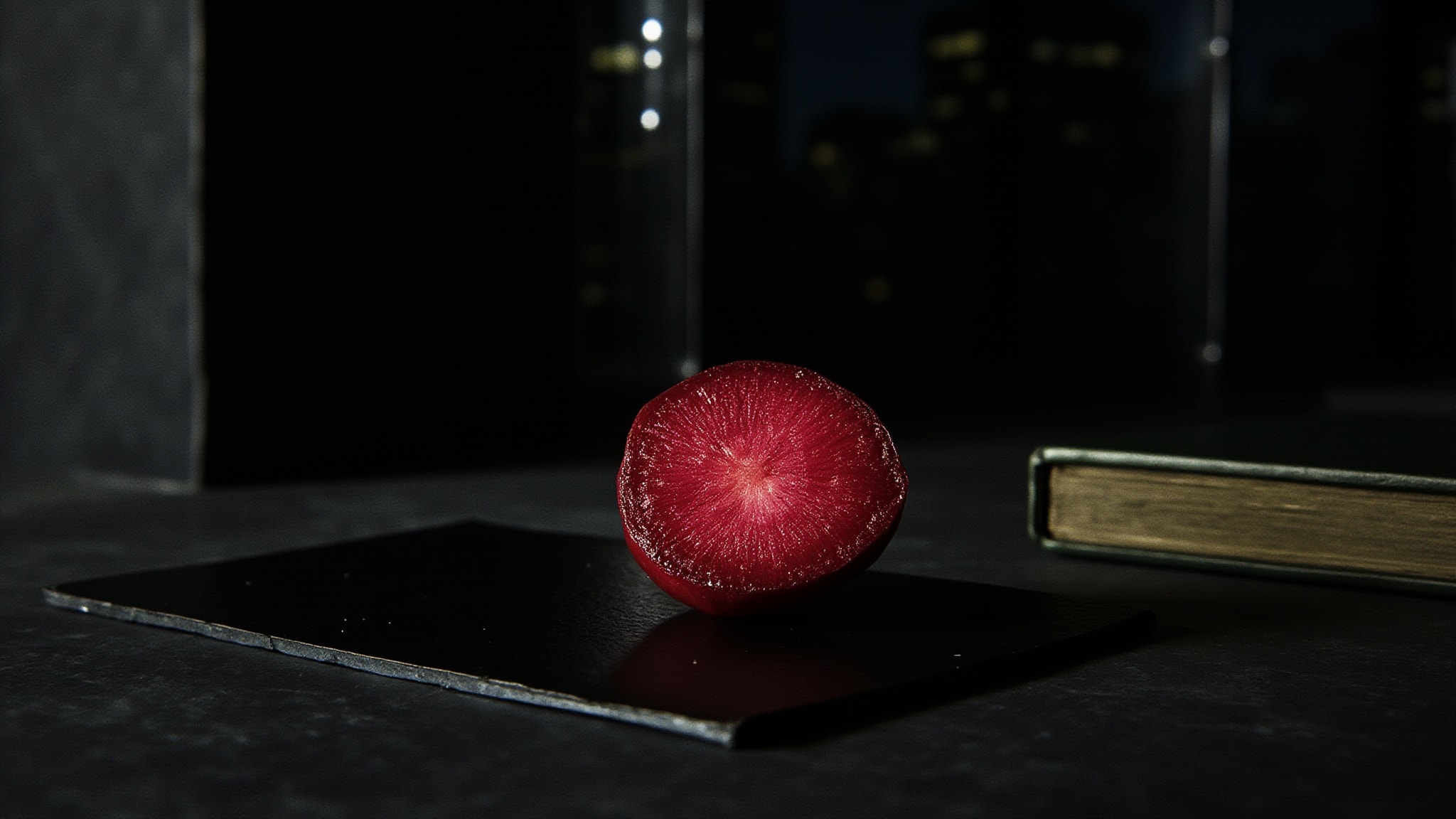
What makes Dark Room worth examining is the collision between freshness and weight. Rhubarb supplies a tart, almost red brightness, while marijuana gives the opening a dry green character. Tobacco then adds warmth without making the composition feel sweet or polished. In the middle, birch and cypriol create a dry, mineral stretch, with vetiver pulling the scent toward earth. The base settles the whole thing through cedarwood, frankincense, and oakmoss.
The evolution
The opening arrives with a clean-edged jolt. Rhubarb flashes tart and red, while marijuana gives it a leafy, unruly streak. Tobacco doesn't wait long, sliding beneath the brightness and adding a dry, smoky depth. As those bright elements fade, birch brings a pale woody snap, cypriol adds an earthy mineral weight, and vetiver settles the composition toward the ground. That middle phase feels cooler and more textured than the opening, with the green accord becoming less leafy and more like bruised vegetation underfoot. The drydown is where Dark Room finds its staying power. Cedarwood and oakmoss give it a blunt, forest-floor backbone, while frankincense leaves a resinous haze above it. By the end, tobacco remains the clearest memory, wrapped in incense, moss, and wood.
Cultural impact
Dark Room treats fragrance as an experience that unfolds over time, moving from the brightness of rhubarb and the green character of marijuana into tobacco, mineral woods, vetiver, moss, and incense. Its appeal comes from the contrast between fresh notes and a smoky, woody base, as well as the way each layer changes the character of the scent. The composition invites closer attention to how its ingredients interact across the opening, heart, and drydown.
The House
Masca ParfumsMasca Parfums is an Italian fragrance house rooted in the creative vision of founder Massimo Scalella, who was born and raised in Naples, a city celebrated for its rich artistic heritage and dramatic sensibility. The brand channels the theatrical spirit of its birthplace, where performance, passion, and spectacle have shaped centuries of cultural expression. Masca emerged in the early 2020s as an independent voice in contemporary perfumery, offering scents that explore unconventional emotional territories. The house name itself evokes the mask, a symbol of transformation and hidden depth that resonates through Italian theatrical tradition. Each release from Masca Parfums invites wearers to inhabit alternate personas, to explore the shadows and contradictions that define human experience. The brand operates independently, without external investment, maintaining complete creative autonomy over its vision and output.
The Creator
Lorenzo Orlandi BertiHis style favors clarity and precision, with a marked preference for Mediterranean botanicals and the richness they offer when treated with care. Lorenzo works comfortably across natural and synthetic domains, selecting each element for what it contributes rather than what it…