
The Story
Why it exists.
The beginning
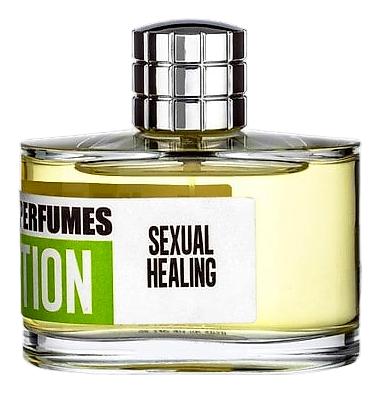
Sexual Healing arrived in 2012. After three decades creating for houses like Givenchy and Comme des Garçons, Mark Buxton had grown interested in the idea of fragrance as something that could mark a moment between two people rather than simply announce presence. The brief was simple: something that smelled like proximity, like the warmth left behind. The composition opens with a surprising herbal sharpness that feels almost medicinal, a green bitterness that immediately signals this is not a polite fragrance. Blackcurrant bud adds a tart, bright quality that cuts through the opening, lending a fruity nuance that seems to suggest something almost edible beneath the botanical edge.
What makes Sexual Healing structurally unusual is the pairing of osmanthus absolute with castoreum. Osmanthus brings a waxy, apricot-floral note that most perfumers handle as a delicate heart material, here it's asked to sit alongside castoreum, an animalic absolute that carries the leathery, tar-like depth of beaver castor. The combination produces something that reads as both warm and slightly feral, a floral-fruity top that deepens into leather and resin without ever losing the thread of sweetness from the opening berries. The artemisia keeps everything grounded with its herbaceous, slightly camphorous character, preventing the fruit from becoming confection.
The evolution
The opening is the most surprising chapter. Artemisia arrives first, green, bitter, almost medicinal, before blackcurrant bud cuts through with a tart, bright note that reads almost like cassis. Osmanthus then takes over the middle act, bringing that waxy apricot-floral warmth that feels like it should be delicate but here holds its ground against the deepening base. The base reveals leather, smoke, a resinous amber that clings close to skin. How long the fragrance lasts depends on your own skin chemistry, but the scent remains present and distinct throughout its development, revealing new facets as the hours pass. The drydown settles into something intimate, a quiet warmth that lingers without announcing itself.
Cultural impact
Sexual Healing arrived during a period when perfumery was dominated by bolder compositions. Mark Buxton's creation stood apart by embracing a green, aromatic sensibility that felt almost medicinal in its precision. The fragrance prioritized artistic expression over mass appeal. Its use of artemisia and blackcurrant bud created a challenging opening that rewarded those who gave it attention. The fragrance found its audience among those seeking something that refused to play by conventional rules.