The Story
Why it exists.
The beginning
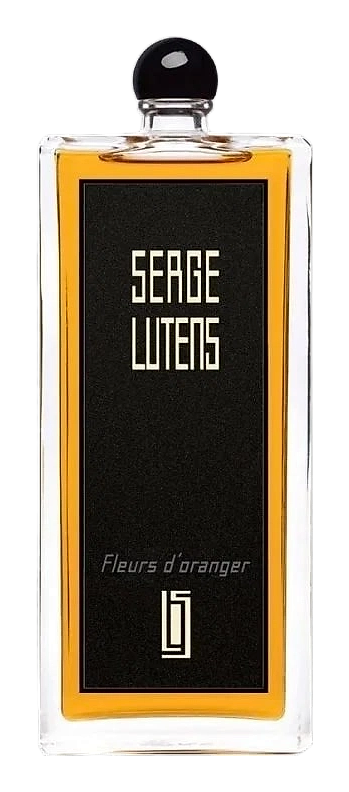
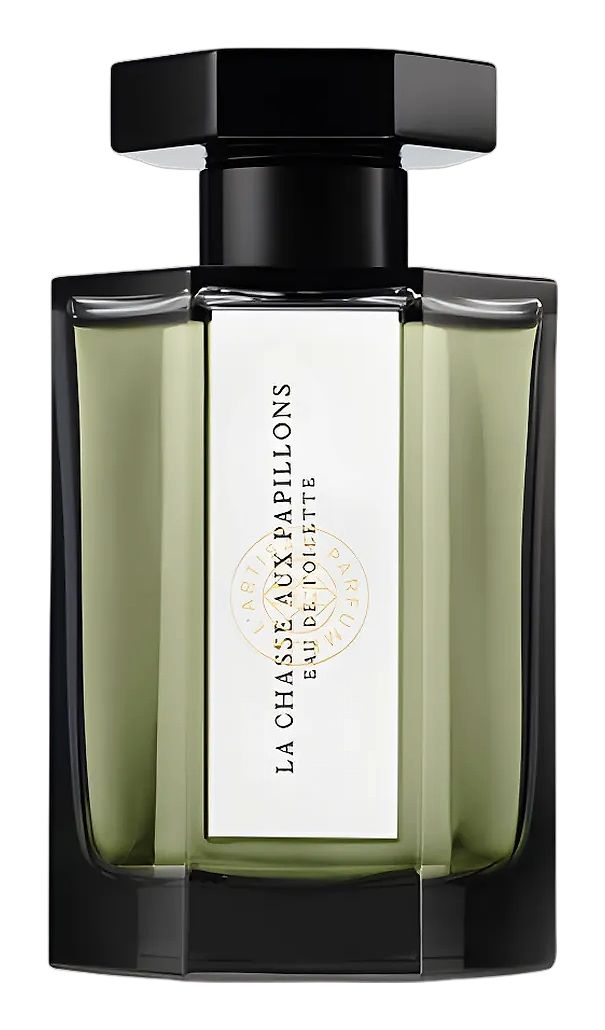
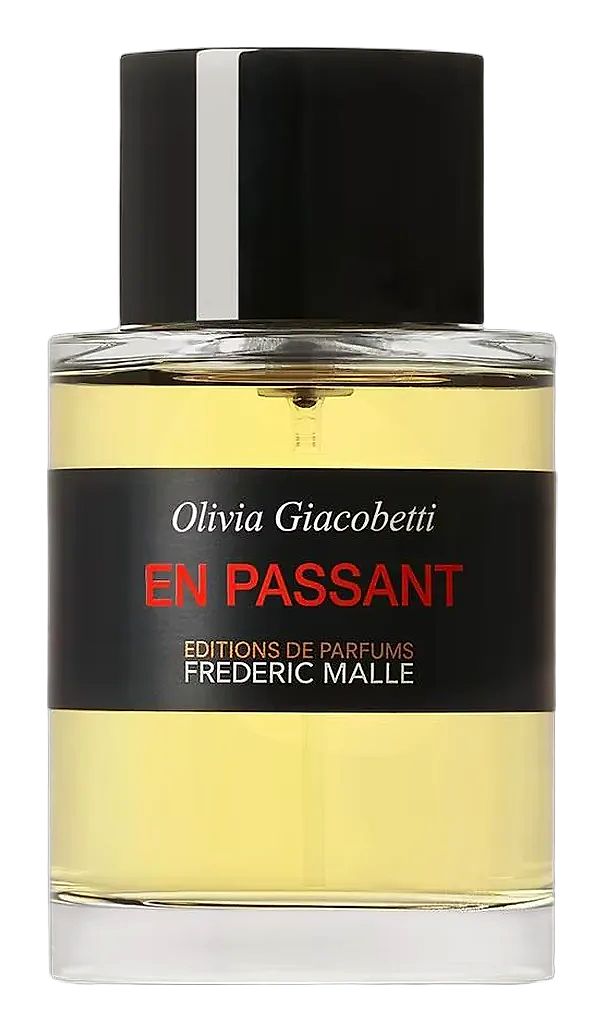
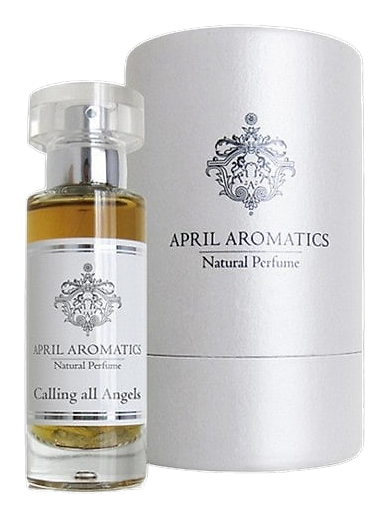
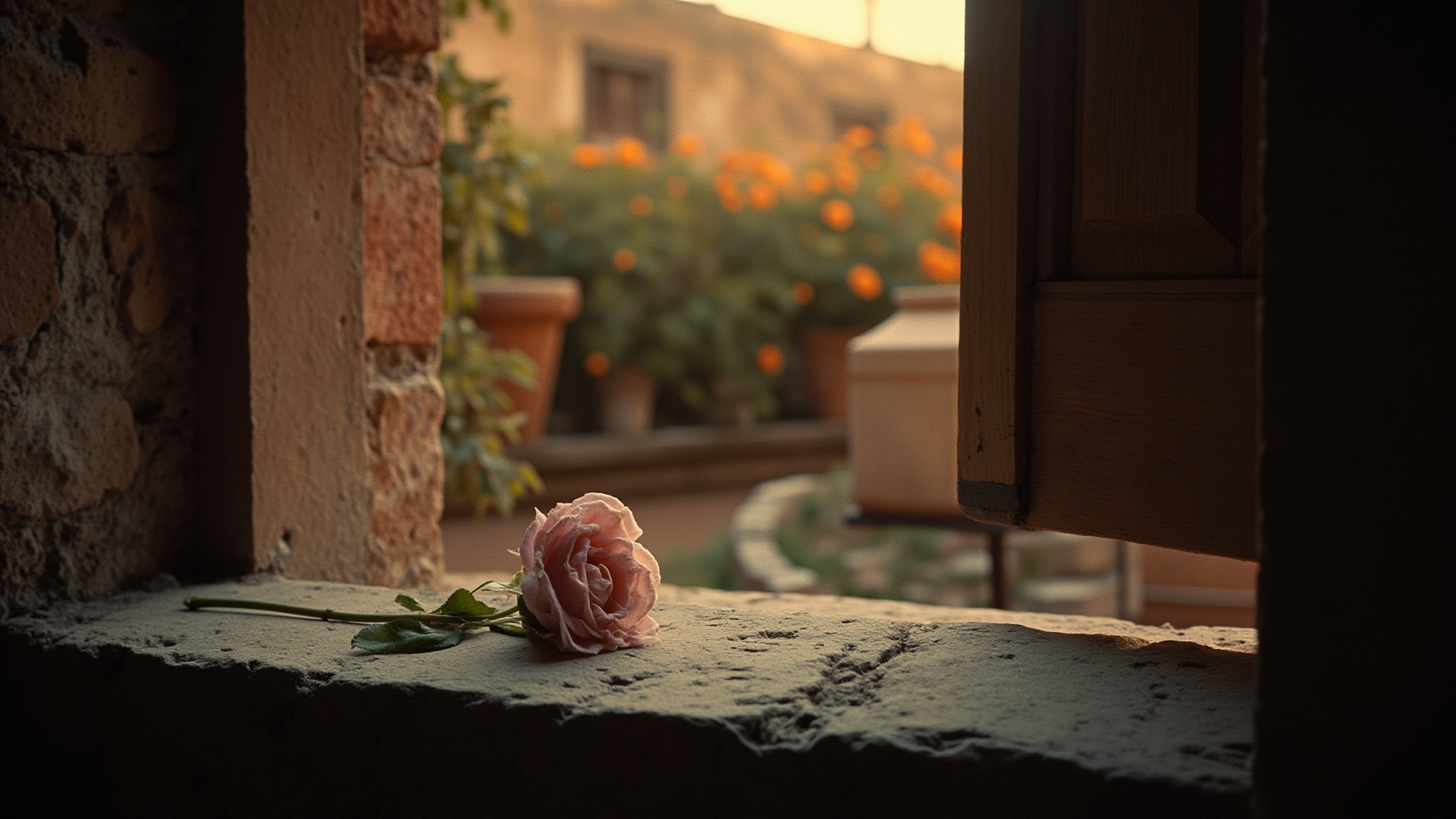
The Perfume Garden began as a real place. Not a concept, not a metaphor. A garden, tended for five years by Marina Barcenilla herself somewhere in the West Country of England, fragrant with roses and shaded by the tree that gives the lily pond its shelter. When the time came to pass it on, she bottled it instead. The fragrance is a farewell letter to a living thing, rendered in neroli, rose, jasmine, and orange blossom absolute, with petitgrain and green mandarin threading through the top, and a base of sandalwood, labdanum, benzoin, and ambergris holding everything in place. The flowers are real because the garden was real. The memory is preserved because scent is the one sense that doesn't fade with distance.
What's unusual here is the honesty of the green. Most florals smooth over their edges with sugar or musk, but Barcenilla lets the petitgrain and green mandarin stay sharp, almost vegetative, the way cut stems smell before the bloom opens. The orange blossom absolute adds an indolic richness that leans away from the soapy convention of white florals, putting this composition closer to a living hedge than a bridal bouquet.
The evolution
The first ten minutes are bright and green, almost grassy, as neroli and petitgrain snap against the skin like stems being broken. The jasmine rises quickly, indolic and warm, and the orange blossom absolute pushes in alongside it with a density that feels closer to warm skin than to a flower bed. This isn't a polite white floral. There's a slightly feral edge here, the kind that makes you wonder if someone has been standing in the sun for too long. Around the forty-minute mark the rose arrives, full and slightly jammy, and the composition shifts from garden to greenhouse, humid and enclosed. The sandalwood emerges quietly, grounding the florals without flattening them, while ambergris and benzoin add a saline, almost oceanic warmth beneath.
Cultural impact
The Perfume Garden occupies a specific corner of the natural perfumery world. It wears close rather than projecting, which sets a particular tone for how it's meant to be experienced, as something encountered on the skin of someone nearby, or discovered by the wearer themselves in the quiet hours of the afternoon. The above-average longevity means that the fragrance holds its shape through an entire day, and the way the materials behave as they age on the skin keeps the experience dynamic rather than static.