The Story
Why it exists.
The beginning
Marc Jacobs created Splash as a deliberate counterpoint to the industry's obsession with longevity and projection. The 2008 release from Andrea Lupo was designed to be refreshingly honest about what it was, a citrus splash that didn't try to be anything more. In a market where sillage and staying power became status symbols, Splash chose presence instead. The grapefruit-forward composition reflects Marc Jacobs' broader philosophy: accessible confidence, not inherited luxury. This is a fragrance that shows up, makes its impression, and steps back without fanfare.
What makes this structure interesting is what it refuses to do. Grapefruit is sharp, fleeting, and honest, and by building around it without excessive fixatives, Andrea Lupo made a fragrance that commits to that character fully. The heart of freesia and ginger softens the citrus without diluting it. The base of patchouli and musk exists to remind you something was there, not to extend the performance. It's a pyramid that deconstructs itself, with the top notes arriving first and departing first, the opposite of most fragrance architecture, where the base outlasts everything.
The evolution
The opening hits immediately, grapefruit zest bright and direct, orange blossom adding a clean floral layer that keeps it from reading as cleaning product. Within minutes, the citrus recedes and freesia takes over, giving the composition a softer, more garden-like quality. The ginger appears as a whisper rather than a statement, warming the transition without interrupting it. By the mid-drydown, the amber and musk create a quiet warmth close to the skin, this is where most wearers stop and wish for more. The patchouli lingers last, but faintly. By hour three, there's barely a trace. The fragrance teaches you to pay attention when it's there, because it won't wait.
Cultural impact
Splash - The Grapefruit found its audience among those who wanted a citrus fragrance that didn't apologize for being light. In a 2008 market saturated with heavy gourmands and ambroxan-heavy performers, this read as refreshing honesty rather than lack of ambition. The brief longevity appeals to those who find strong sillage overwhelming, it asks you to lean in, not shout.
The House
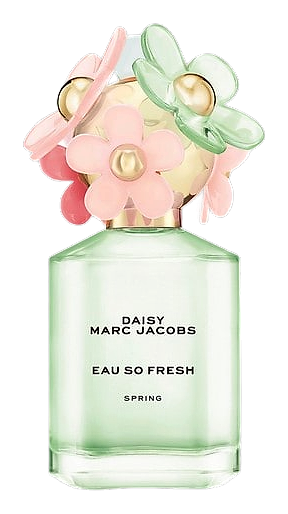
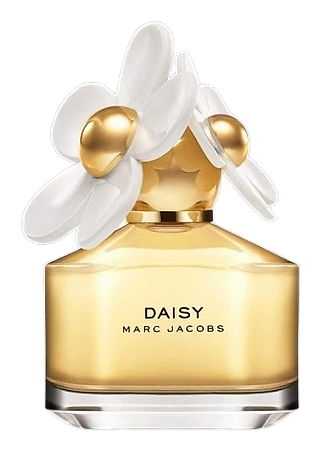
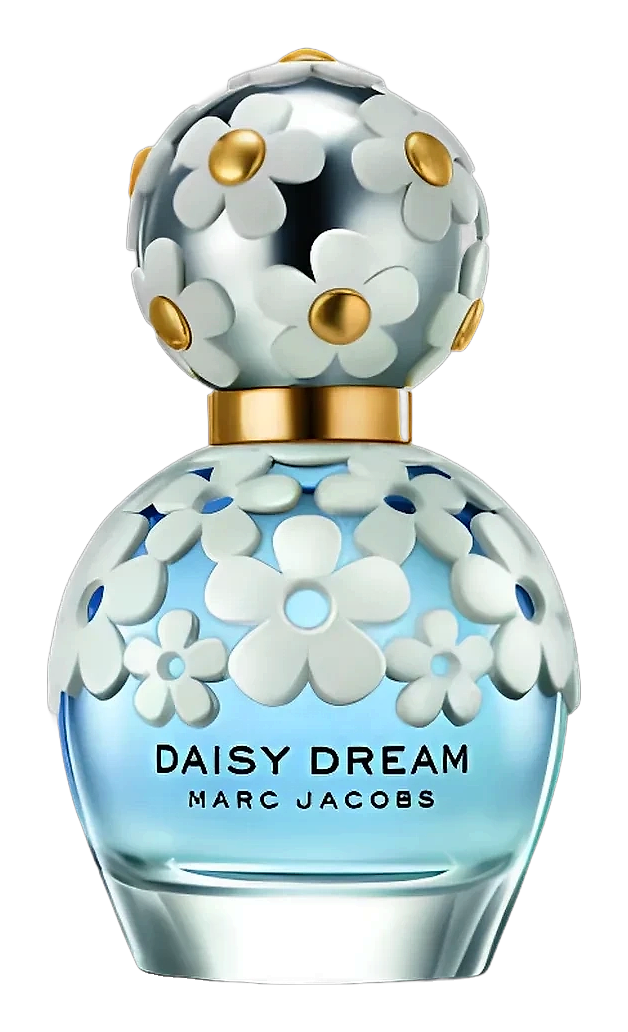
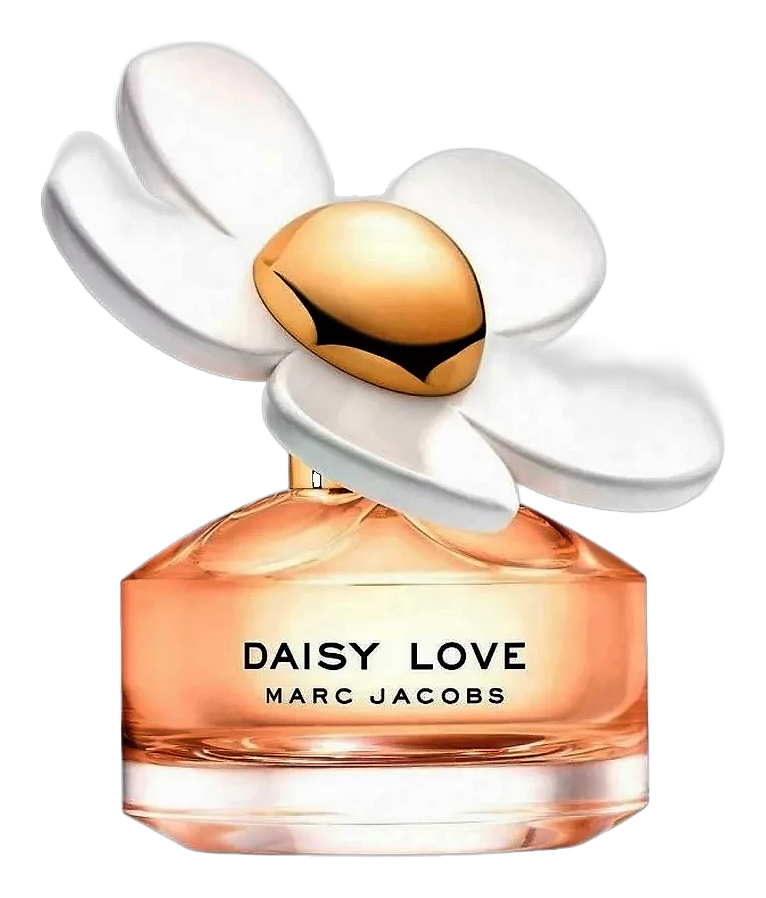
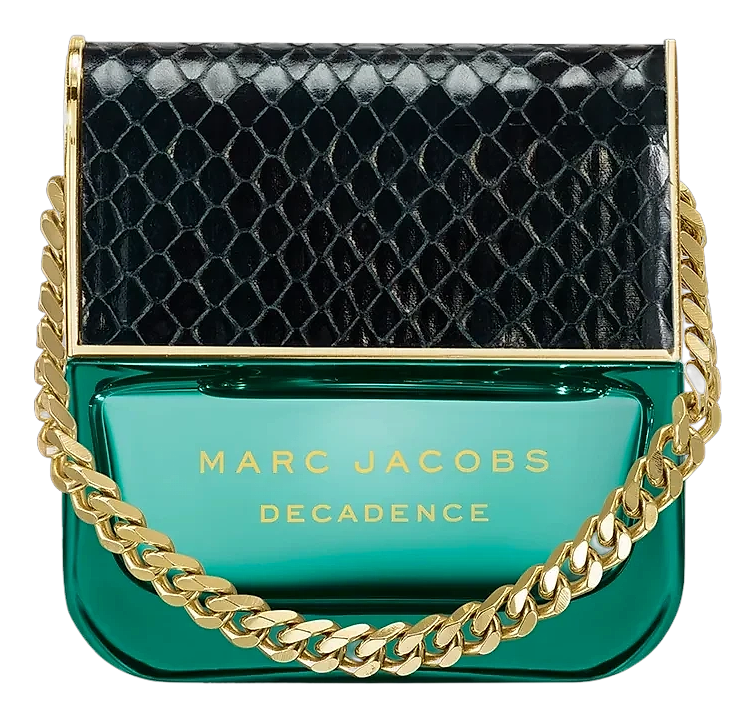
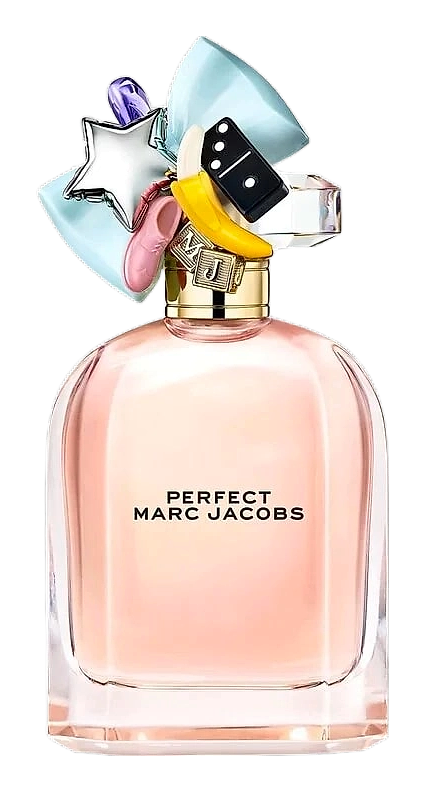
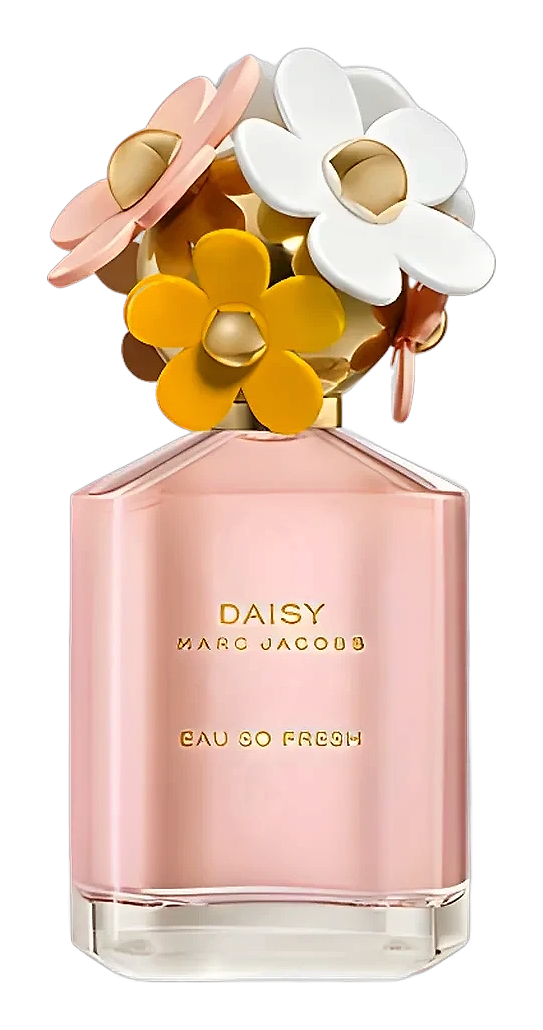
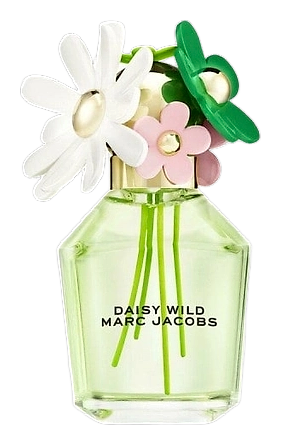
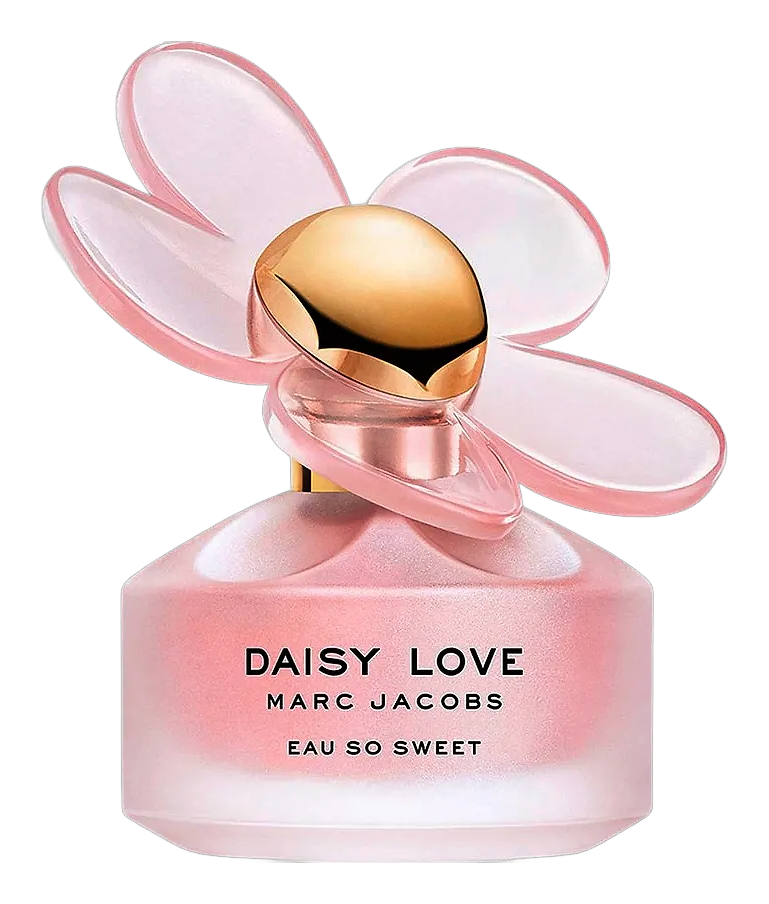
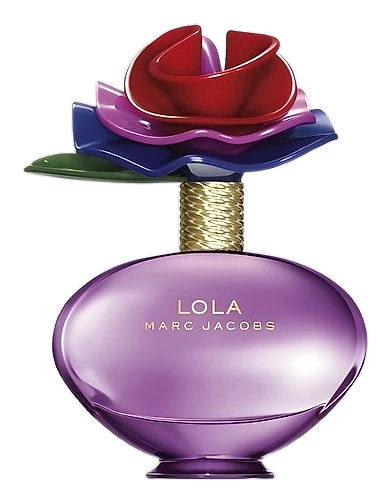
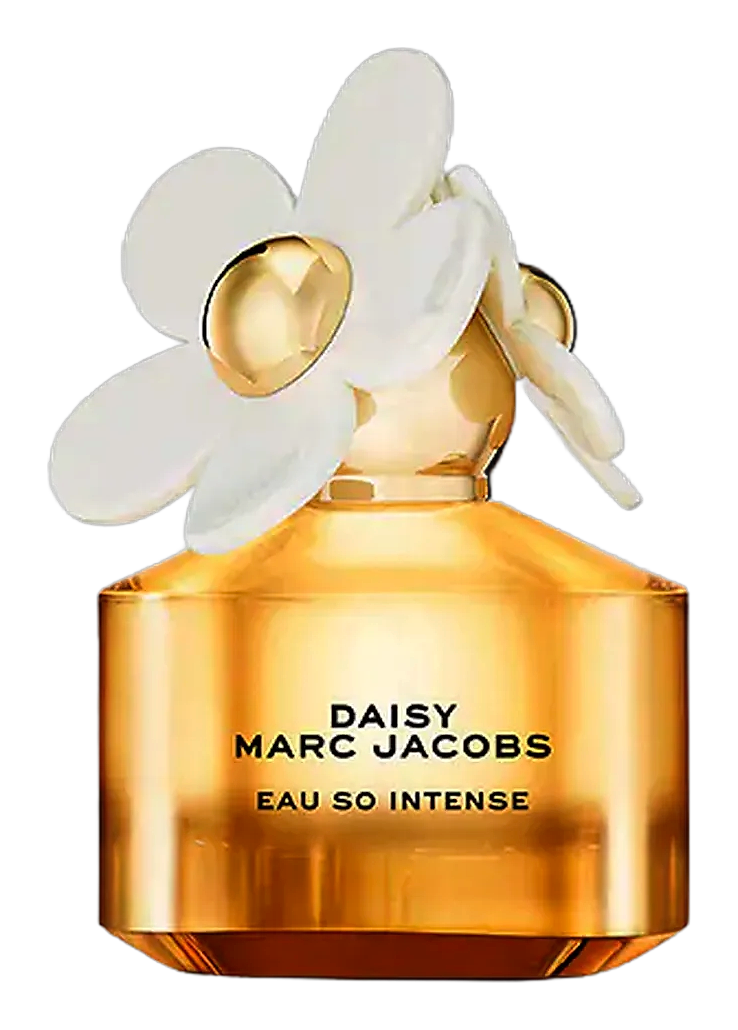
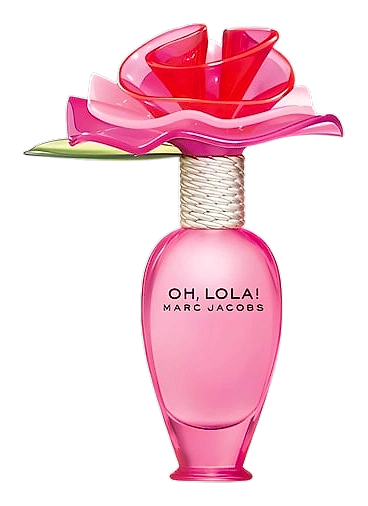
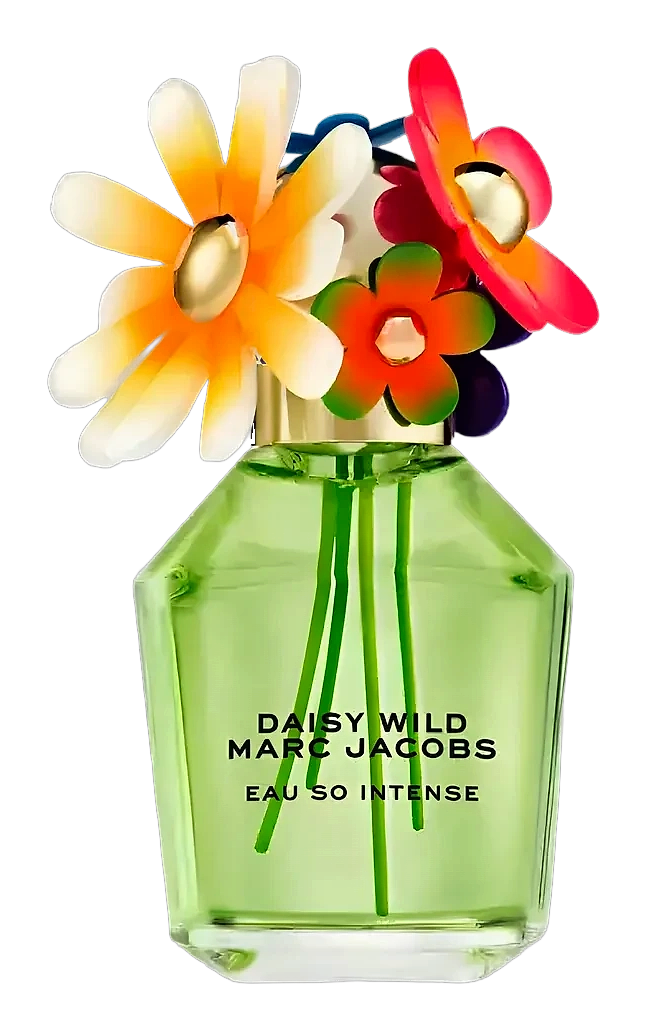
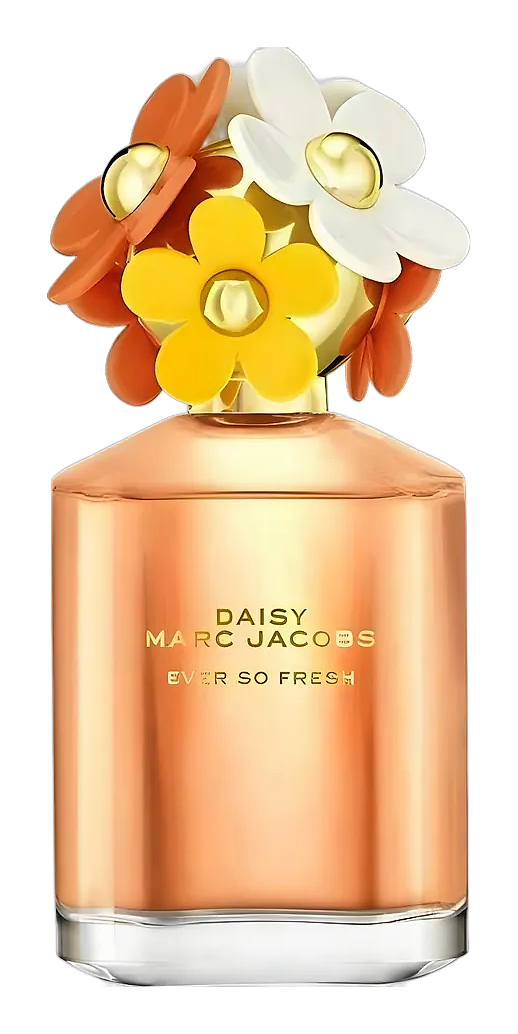
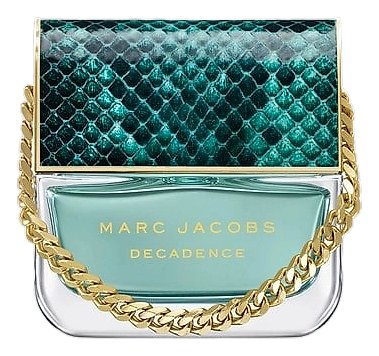
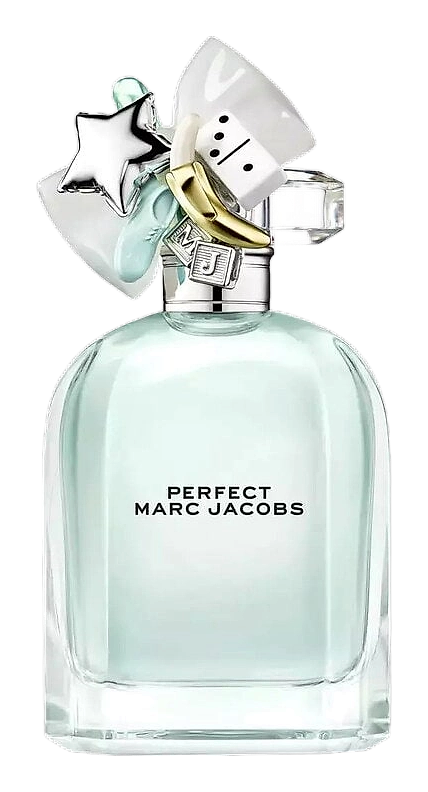
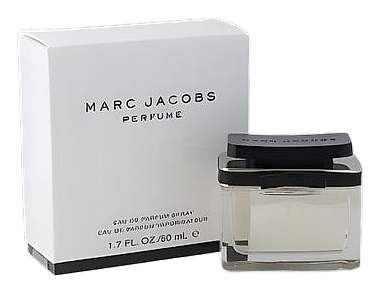
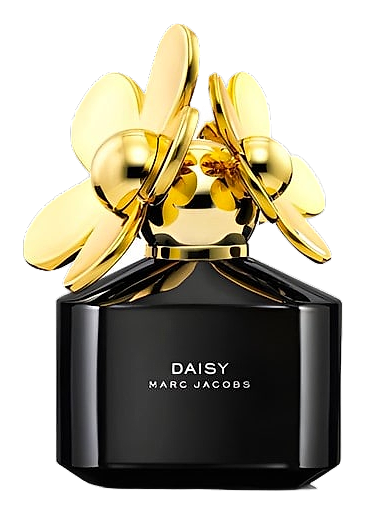
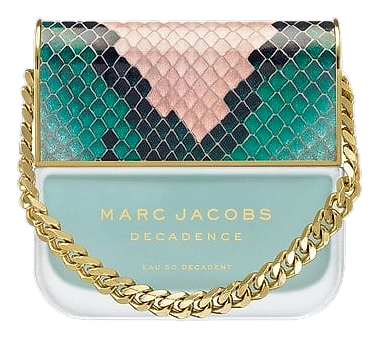
Marc JacobsMarc Jacobs fragrances, produced under license by Coty, launched in 2001 with Marc Jacobs for Women, followed by a companion men's scent in 2002. The brand has since built an extensive portfolio of fragrances anchored by signature lines including Daisy (2007), Lola (2009), Decadence (2015), and Perfect (2020). Daisy, named after Daisy Buchanan from F. Scott Fitzgerald's The Great Gatsby, quickly became a defining success for the brand, spawning numerous flankers and variations across multiple collections. The line's visual identity, with its oversized daisy cap atop a clean bottle, became one of the most recognizable silhouettes in contemporary perfumery. Decadence introduced a handbag-shaped bottle on a gold tasselled chain, a notably unconventional vessel for fragrance at the time of its launch. The brand has collaborated with a broad roster of perfumers over the years, including Annie Buzantian, Ann Gottlieb, Steve DeMercado, Loc Dong, Alberto Morillas, and Calice Becker, among many others. Marc Jacobs fragrances are available at major department stores worldwide and online.
The Creator
Andrea LupoAndrea Lupo favors a structure that begins with a clear opening, evolves through a heart of aromatic herbs, and settles into a lingering base of woods and resins. She often introduces a flash of citrus or spice to catch the nose, then lets accords such as ambergris, sandalwood…