The Story
Why it exists.
The beginning
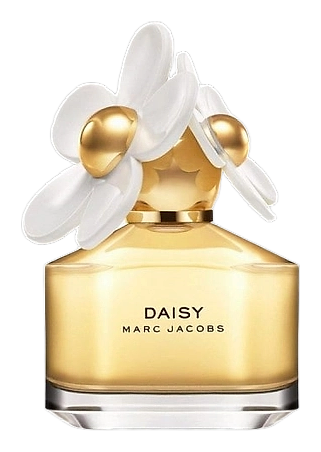
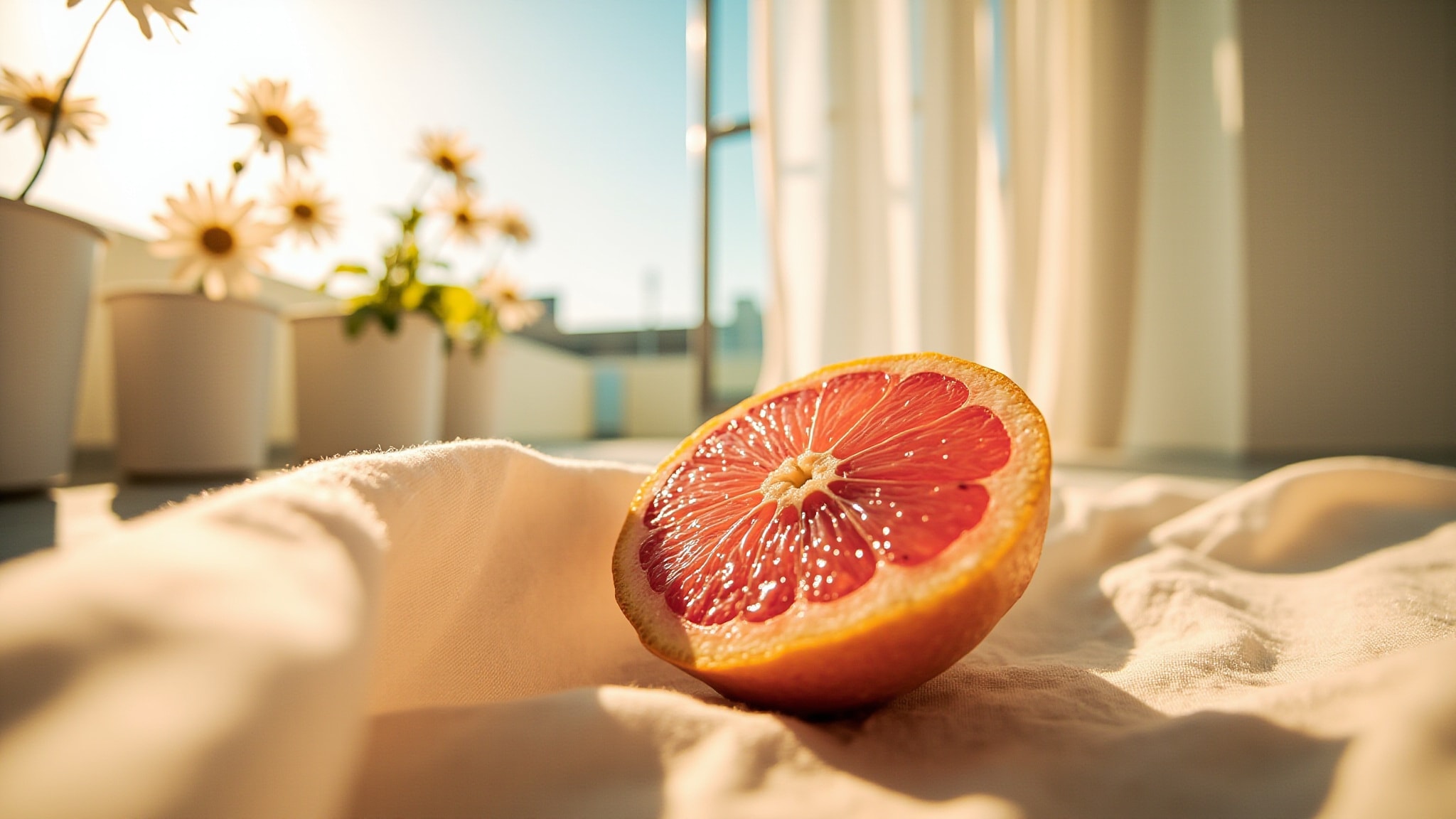
Daisy Dream arrived in 2014 as a softer counterpoint to the original Daisy, the Marc Jacobs line composed by Alberto Morillas. Where the original Daisy leaned into classic white-floral brightness, Daisy Dream drifted toward a more diffuse, daydreamy register, fruit and florals suspended in something almost aqueous. The opening is cold and dewy, blackberry and grapefruit sharpened by a thin blade of citrus, pear softening the edges so the first impression reads as chilled fruit salad more than syrupy candy. Within minutes the composition lifts and blurs. Lychee and jasmine move in like a haze rolling across a window, the sweetness becoming translucent rather than dense, and a watery ozone thread runs through it all, giving the whole thing the feel of staring through a rainy windshield.
What makes Daisy Dream distinctive is its refusal to commit. The blackberry-grapefruit-pear opening reads juicy and cold, but it barely settles before the lychee and jasmine take over with that translucent, synthetic-floral sweetness that defines the composition. Coconut water in the base instead of a heavier wood or musk keeps the whole thing hovering rather than landing. It's a composition built around negative space, what it doesn't do matters as much as what it does.
The evolution
The first ten minutes are the loudest this fragrance ever gets. Blackberry and grapefruit hit cold and slightly sharp, pear softening the edges. Then the lychee and jasmine slide in and the whole thing turns gauzy, almost weightless. That mid-phase is the sweet spot, the cloud everyone describes, and it has a generous presence that carries through a long morning and most of an afternoon. The florals never turn indolic or heavy, and the fruit never sours into anything syrupy or candy-like; it just hovers, airy and slightly sweet, the kind of scent that drifts behind you when you walk. After that, the musk and coconut water settle into a sheer, clean drydown. The woods are barely audible, more a suggestion of cream than a defined material, and what remains is a soft, pale aura that clings to whatever you were wearing when you sprayed it.
Cultural impact
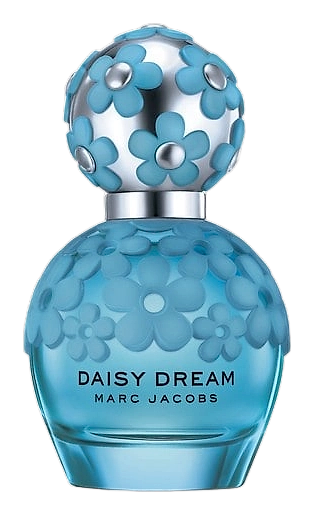
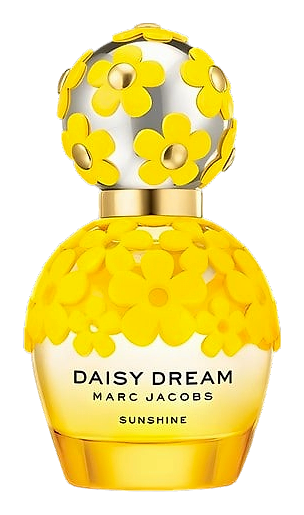
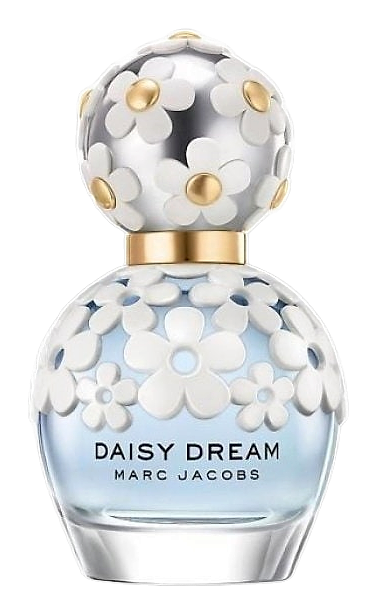
Daisy Dream sits comfortably in the mid-2010s world of mass-market florals, sharing territory with flankers of its own line and with a wider wave of sheer, fruity-floral compositions that filled department store counters during the same stretch. The lychee-coconut water combination became a recurring signature in that era, a shorthand for translucent, airy sweetness that read as casual and pretty rather than formal or sultry. The bottle, a cluster of daisy-stem caps in pastel blue and gold over a cloud-shaped glass, fits that same mood: decorative, unapologetically feminine, built for a vanity snapshot rather than a shelf in a dark library.