
The Story
Why it exists.
The beginning
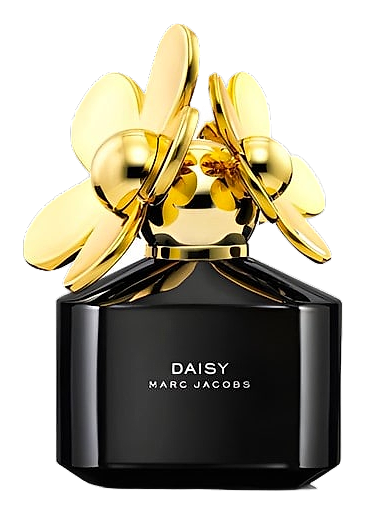
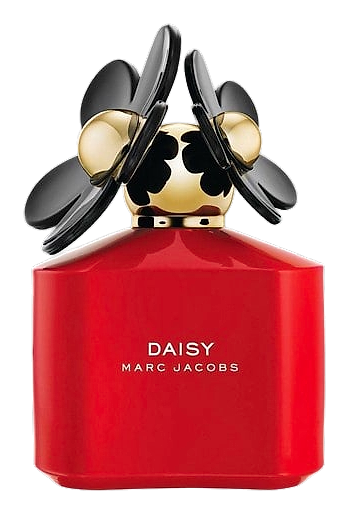
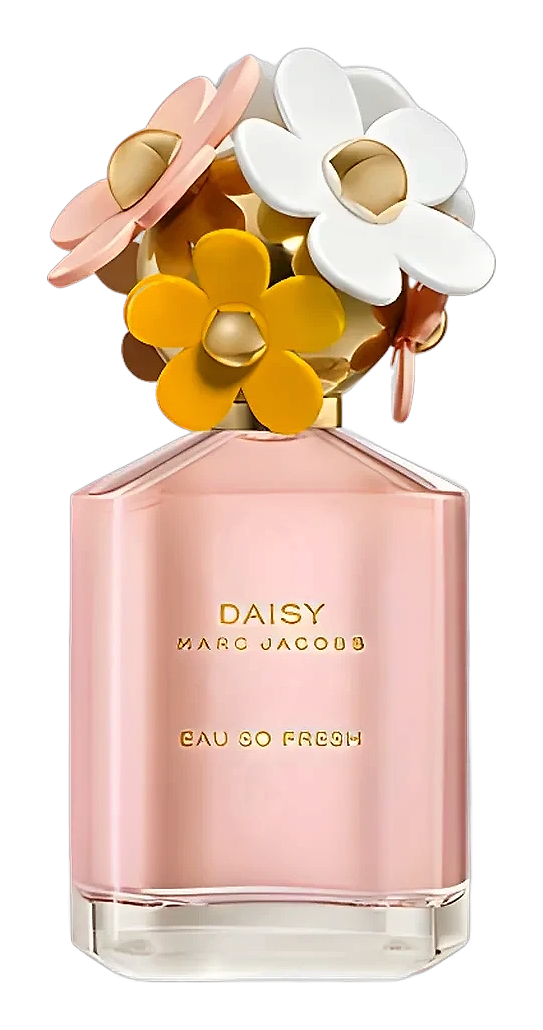
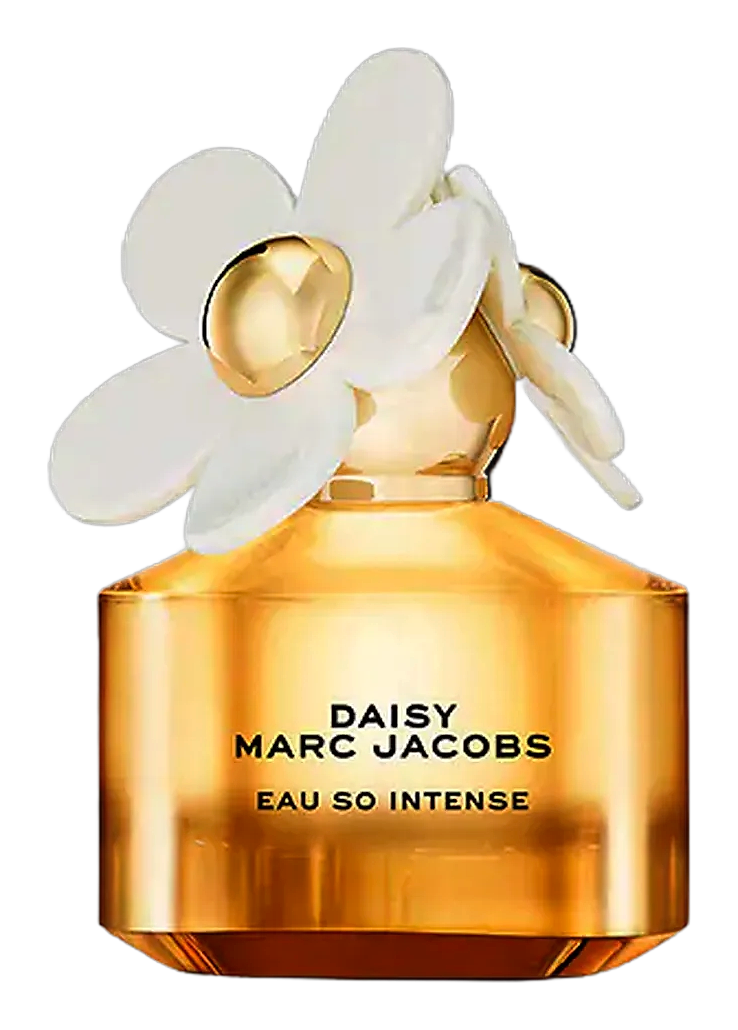
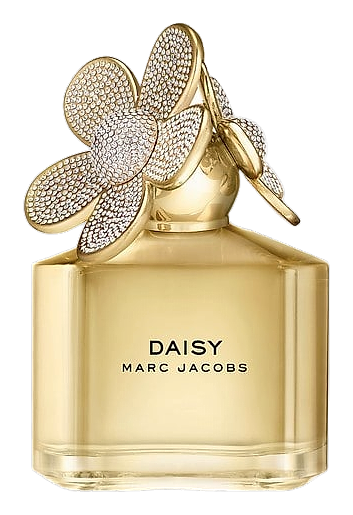
When Marc Jacobs marked Daisy's tenth anniversary in 2017, the brand didn't reinvent the wheel, it refined it. Alberto Morillas, the nose behind the original 2007 Daisy, returned to the composition that made the line iconic: violet, strawberry, gardenia. The result is a collector's edition that feels less like a limited release and more like a greatest-hits reassembly. The bottle got the anniversary treatment too, an elevated version of the signature daisy-cap silhouette that started a decade of flankers, variations, and cultural ubiquity. It's Marc Jacobs saying: this is the one that matters.
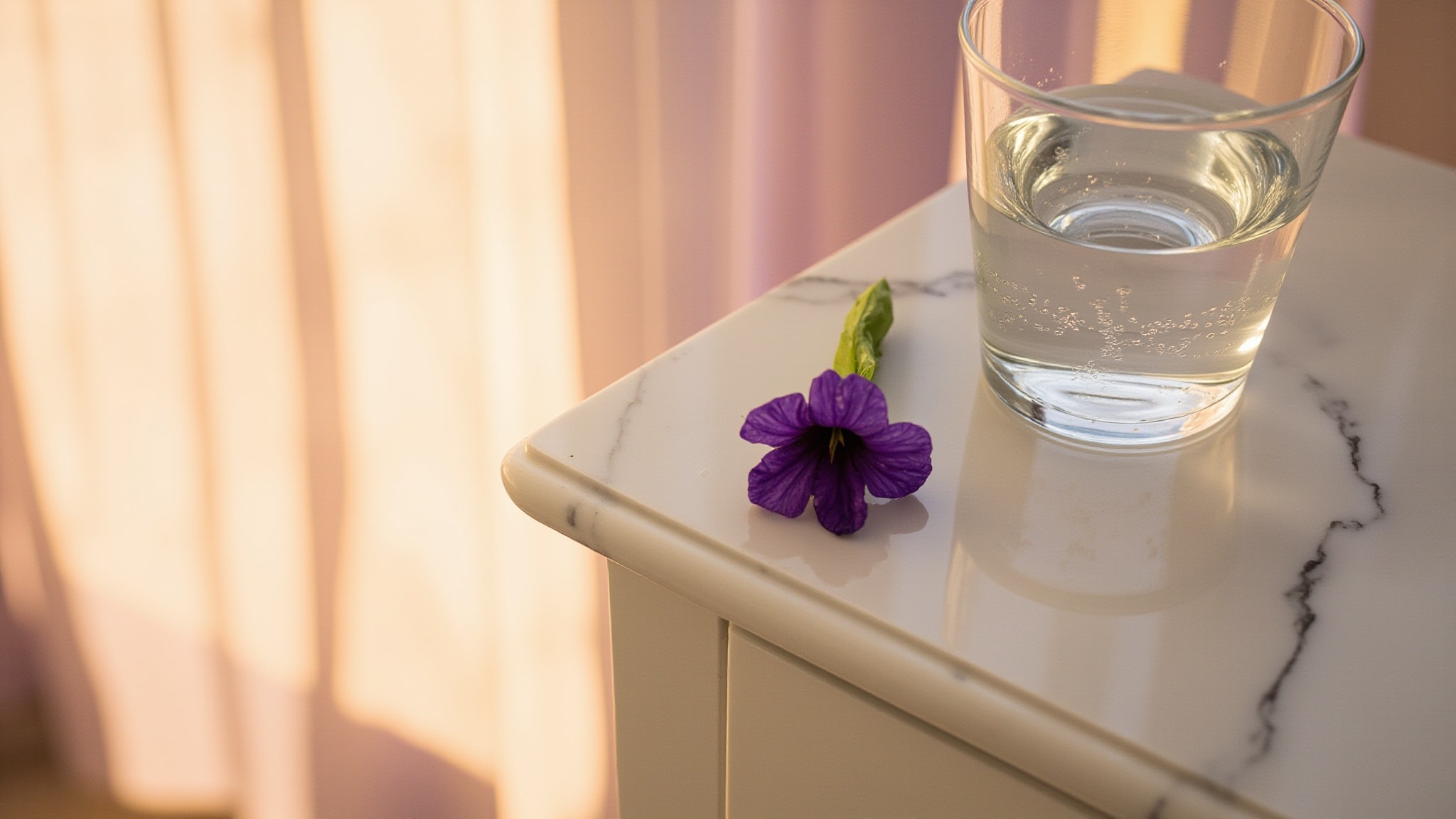
What makes the 10th Anniversary Edition work is the restraint. Alberto Morillas didn't add complexity, he tightened the existing structure. The violet appears twice: in the opening as violet leaf (green, dewy), then in the heart as actual violet flower (powdery, intimate). Strawberry bridges both, its fruity sweetness never quite disappearing. Gardenia and jasmine amplify the floral middle without pushing into tropical territory. The result is a fragrance that smells complete at every phase, not a linear note list, but a conversation between the same family of materials at different temperatures. It's a reminder that composition, not complexity, is what separates six hours of interest from six hours of boredom.
The evolution
The opening announces itself quickly: grapefruit lifts, strawberry follows, and violet leaf keeps everything grounded in that signature green. Thirty minutes in, the citrus fades and the violet shifts from leaf to flower, the dry green replaced by something powdery and familiar. The heart of gardenia and jasmine arrives softly, never quite taking over. There's sweetness here, but it's honest, fruit and florals, no tricks. The drydown is where the anniversary edition earns its keep. Sandalwood, musk, and vanilla arrive together around the two-hour mark and linger for hours after. The sillage stays moderate throughout, you'll smell it, the people close to you will smell it, but the room won't. What remains on skin the next morning is a soft, warm whisper of musk and vanilla, barely there but unmistakable.
Cultural impact
The anniversary edition sits in an interesting position: beloved by those who already love Daisy, and often the entry point for newcomers who want the "real" Daisy experience. Alberto Morillas returned to the original composition rather than reimagining it, some call it safe, others call it faithful. What nobody disputes is that the violet-sandalwood transition is exceptional: the powdery floral giving way to warm wood and skin is the kind of quality that justifies both the anniversary framing and the collector's bottle.
The House
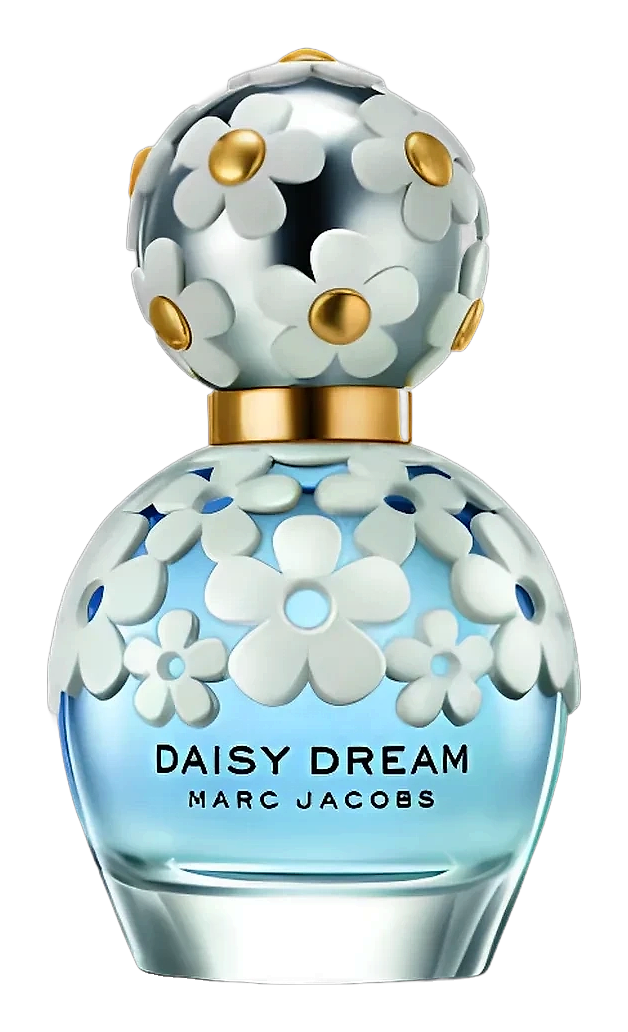
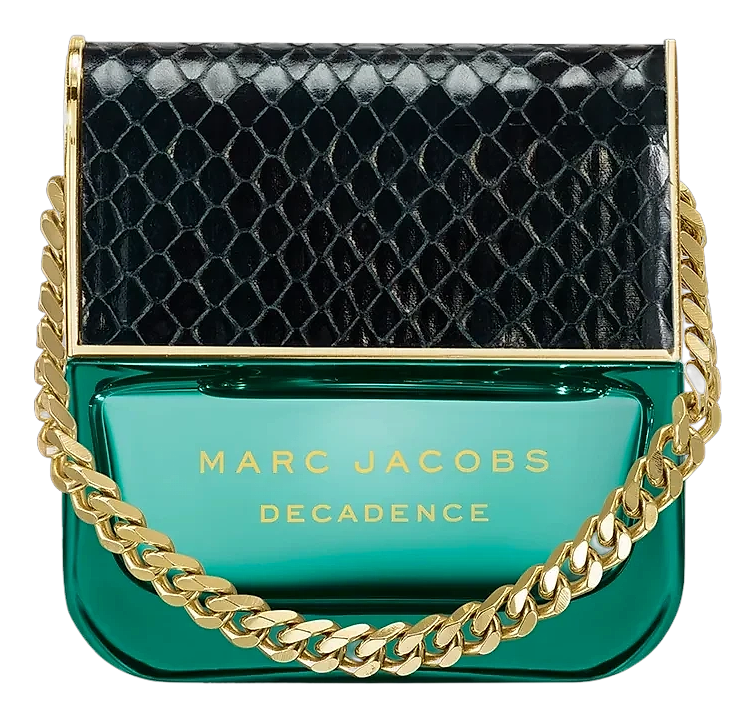
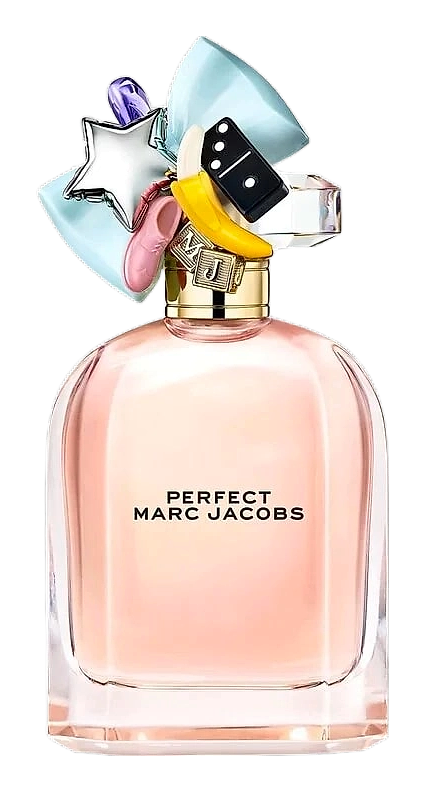
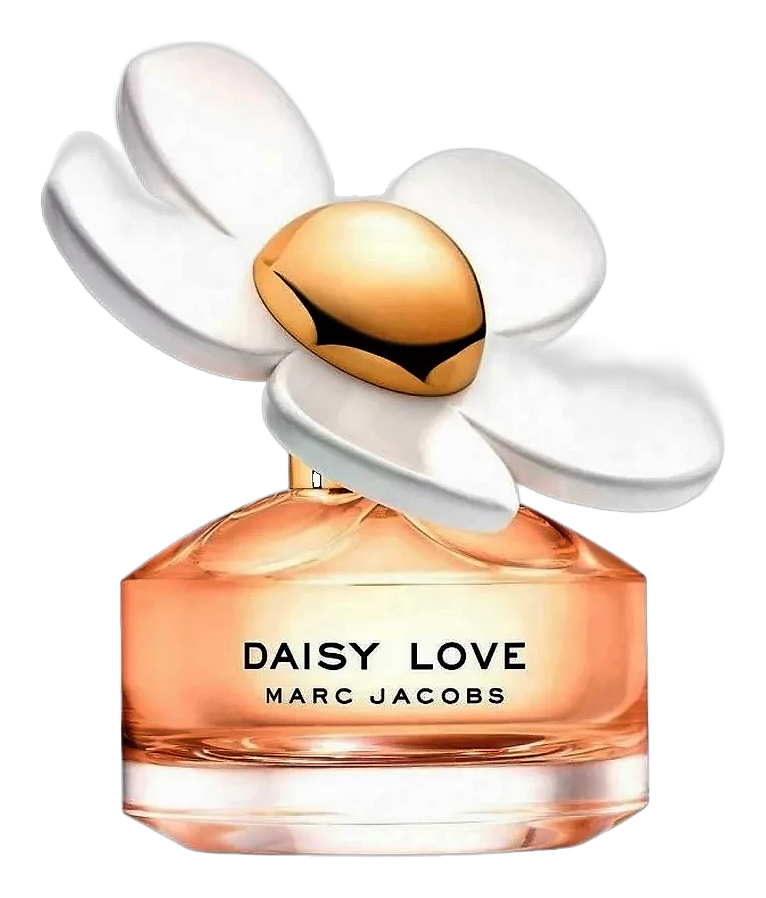
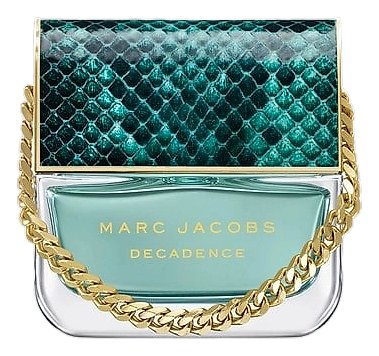
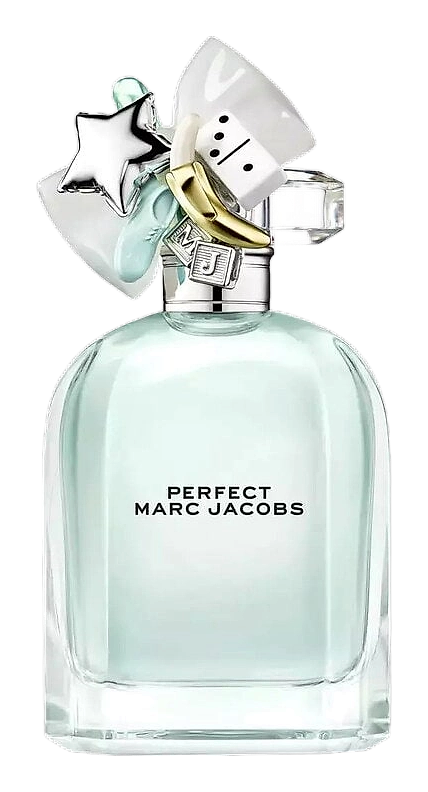
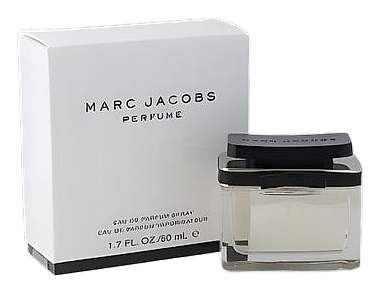
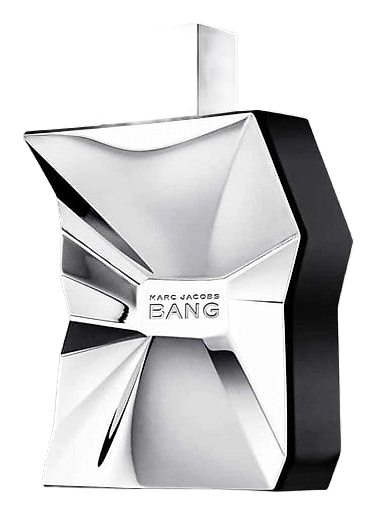
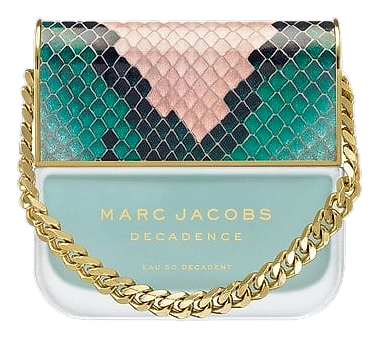
Marc JacobsMarc Jacobs fragrances, produced under license by Coty, launched in 2001 with Marc Jacobs for Women, followed by a companion men's scent in 2002. The brand has since built an extensive portfolio of fragrances anchored by signature lines including Daisy (2007), Lola (2009), Decadence (2015), and Perfect (2020). Daisy, named after Daisy Buchanan from F. Scott Fitzgerald's The Great Gatsby, quickly became a defining success for the brand, spawning numerous flankers and variations across multiple collections. The line's visual identity, with its oversized daisy cap atop a clean bottle, became one of the most recognizable silhouettes in contemporary perfumery. Decadence introduced a handbag-shaped bottle on a gold tasselled chain, a notably unconventional vessel for fragrance at the time of its launch. The brand has collaborated with a broad roster of perfumers over the years, including Annie Buzantian, Ann Gottlieb, Steve DeMercado, Loc Dong, Alberto Morillas, and Calice Becker, among many others. Marc Jacobs fragrances are available at major department stores worldwide and online.
The Creator
Alberto MorillasMorillas' style is characterized by a luminous transparency and a masterful use of musks. He often incorporates citrus notes to create a bright, uplifting effect.