The Story
Why it exists.
The beginning
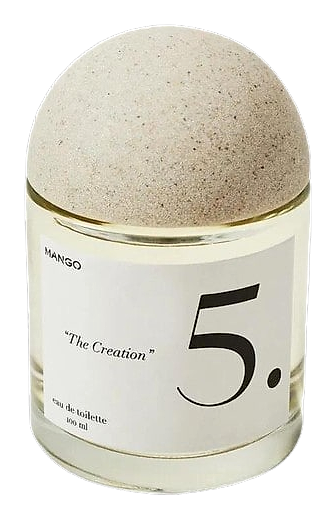
5. The Creation arrived in 2021 as part of Mango's Craft Line, a numbered series that organizes fragrance-making into distinct stages. The collection reads as a catalog of processes, and The Creation is the entry where the formula closes and the final result is finally worn on skin. The name says it plainly, and the structure of the line makes the intent clear. This is the stage where all the previous work resolves, and the result is a composition that holds together from first spray to final drydown. The Craft Line treats each release as a discrete moment in a process, and The Creation is the moment where that process delivers its finished form.
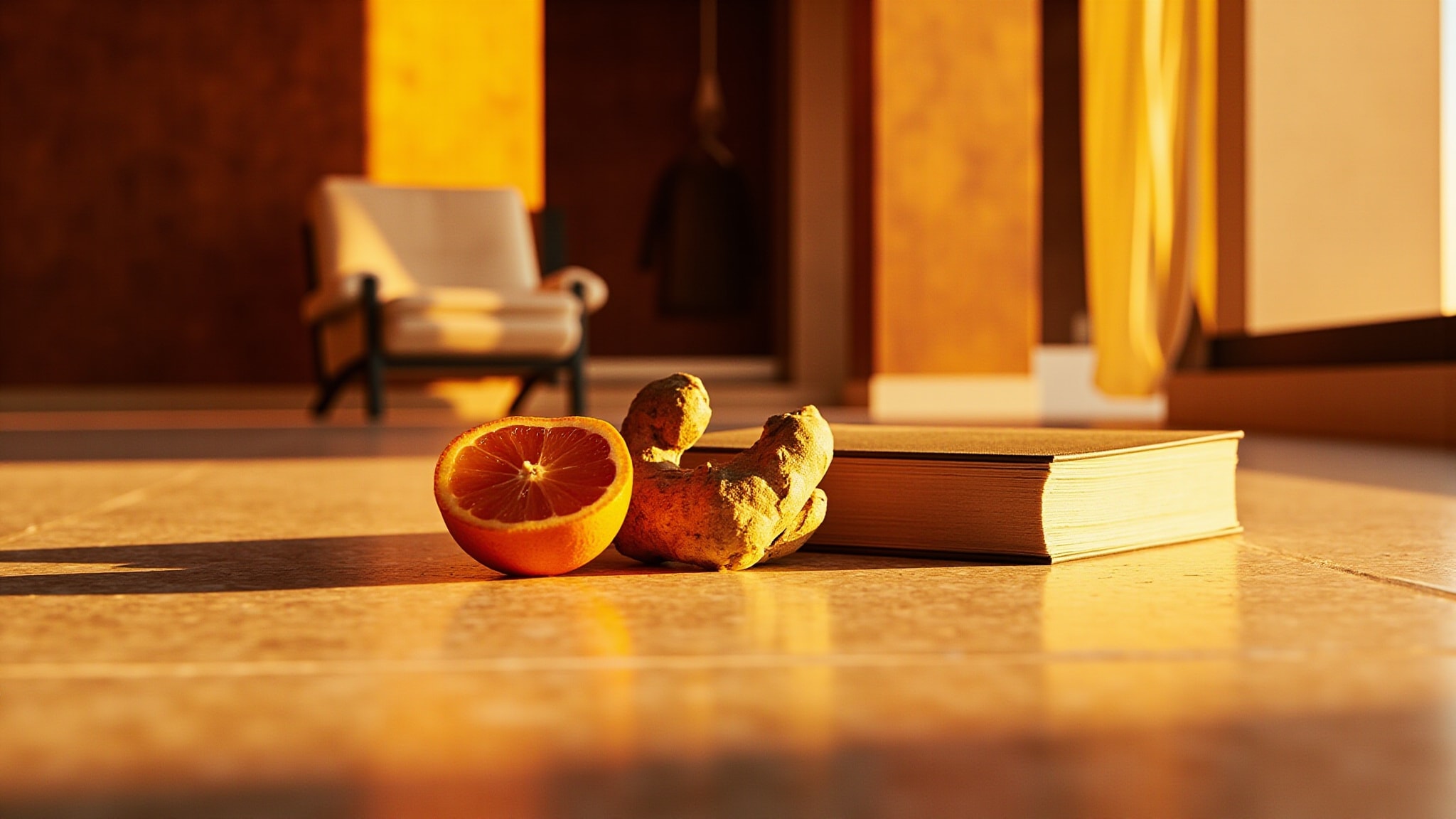
What makes the composition work is the contrast between its top and its floor. The opening sits in the bright, sharp register: ginger, mandarin, the stuff that wakes you up. But the base drags everything downward into something older and heavier. Benzoin, labdanum, copaiba balm, tobacco. These aren't cold materials. They behave like warm resins that have been burning slowly for hours, the kind of scent that survives a change of clothes. The anise in the heart is the hinge. It links the citrus brightness to the resinous depth without softening either one. That tension between freshness and weight is what gives the fragrance its architecture.
The evolution
The first fifteen minutes are almost too polite. Mandarin and ginger do their thing: bright, slightly sharp, the kind of opening that makes you check whether you oversprayed. There's fruit here, but it doesn't behave like fruit. It behaves like a signal. The anise arrives quietly, sweet but not sugary, and it starts to pull the composition somewhere unexpected. By the thirty-minute mark, the labdanum and copaiba balm have settled in. The scent stops being something you smell and starts being something you wear. The warmth builds without warning. Two hours in, the benzoin takes over. It has that warm, almost vanilla-adjacent sweetness, but there's a stickiness to it, a texture. The tobacco shows up last, and it's not the sharp, dry tobacco of a cigarette. It's the rounded, slightly sweet tobacco of a cured leaf that's been sitting in a wooden box. The drydown lasts. Six hours later, on a scarf or a collar, it's still there, quieter now, mostly benzoin and tobacco, and it smells like the room someone just left.
Cultural impact
Mandarin orange carries a wide range of associations, from Asian beauty rituals to Mediterranean breakfast tables, and the note has become a familiar presence in contemporary perfumery. Its appeal is straightforward: it smells bright, optimistic, and instantly readable on skin. Ginger adds a globally recognizable warmth that sits comfortably across cultural contexts, lending a spicy lift that prevents the citrus from feeling too thin or fleeting. Together, the pairing reads as approachable without becoming generic, offering personality and clarity in a category that often favors complexity for its own sake.