The Story
Why it exists.
The beginning
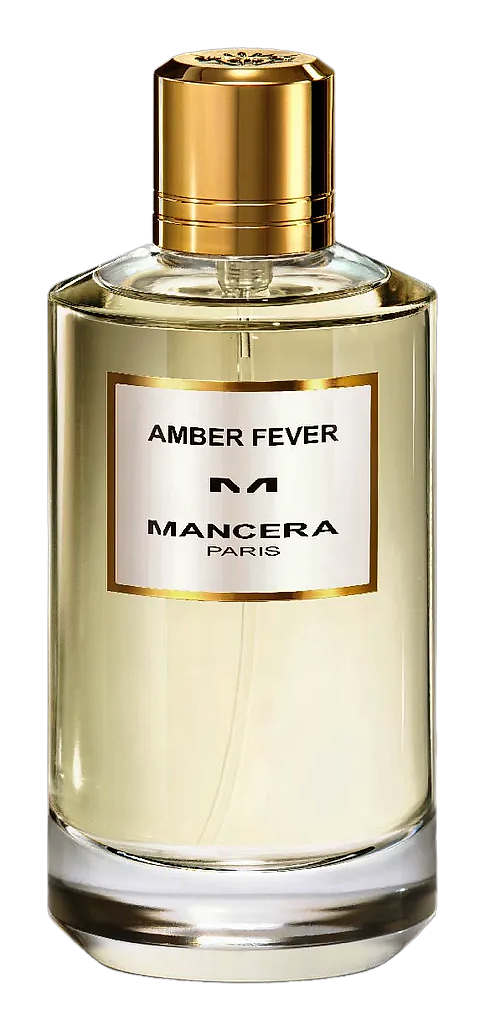
Amber Fever landed in 2019 as part of Mancera's ongoing conversation between East and West, a house that has never been subtle about wanting to be felt before it's understood. The name says everything: amber as fever, not amber as background noise. This wasn't composed to whisper. It was composed to stake a claim. Mancera built its identity on intensity, on raw materials pushed past comfortable, on the idea that a signature scent should announce itself before the wearer opens their mouth. Amber Fever takes that philosophy and softens it, not by volume, but by warmth. The whiskey note is the pivot point. It's the element that separates this amber from a dozen others, the detail that makes the name make sense.
What makes Amber Fever structurally interesting is how the whiskey note behaves. In most fragrances, alcohol reads as sharp opening, it burns off in minutes, leaving something cleaner behind. Here, it stays. The caramel and tonka bean hold it like a hand on a shoulder, keeping it warm rather than letting it evaporate. The result is an opening that smells like you've been wearing it for an hour already, even at the spray. The heart, Indian jasmine, rose petals, violet, doesn't fight the sweetness. It joins it. The florals add a powdery counterpoint that prevents the composition from sliding into pure dessert territory.
The evolution
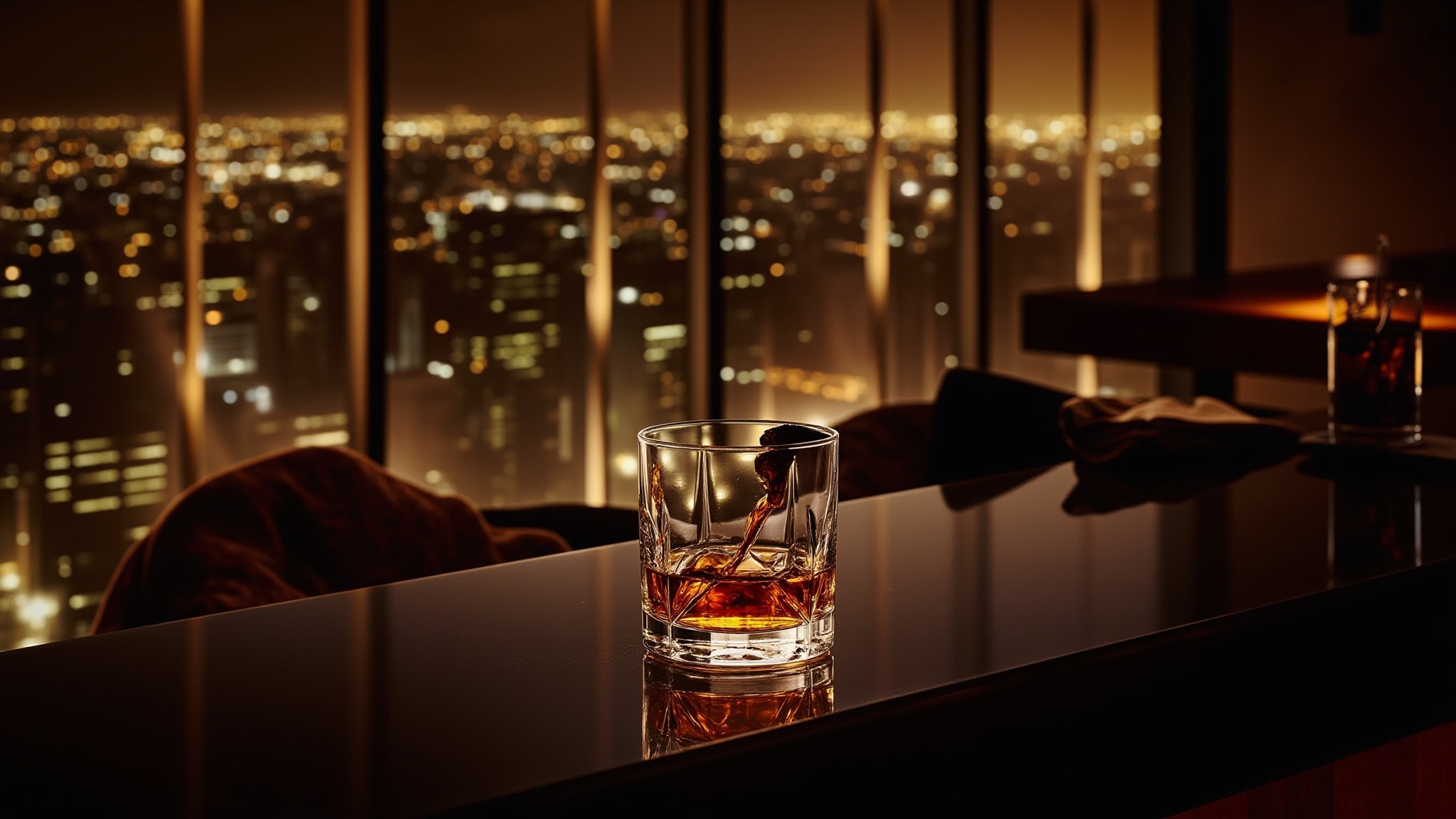
The opening arrives warm. Caramel first, buttery, slightly burnt at the edges, then the whiskey slides in underneath. It's not sharp. It's bourbon, not vodka. Think the smell of a glass you just set down, not the smell of a bar. Within twenty minutes, the florals arrive. They don't storm in. Rose petals drift, violet lifts, jasmine anchors with something almost green. The transition is smooth enough that you might miss it if you're not paying attention. That's the point. The fragrance isn't putting on a show. It's settling into itself. By the third hour, the amber takes over. Not the amber of grandmas and soap dishes, this is resinous, slightly salty, with teakwood giving it structure. The whiskey note is still there, quieter now, like a conversation that started loud and softened to something more honest. White musk keeps everything close to the skin without disappearing entirely. Eight to ten hours is the range. On some skin, it pushes toward twelve. The drydown is intimate, warm, sweet, close.
Cultural impact
Amber Fever sits in a crowded space, sweet-oriental fragrances with longevity claims, but it distinguishes itself through that whiskey note. It's not the only caramel-forward fragrance on the market, but the bourbon association gives it a specific identity that reads differently on different people. For some wearers, it smells like an expensive dessert. For others, it smells like an evening that went slightly off-script. The fragrance has found its audience among people who want warmth without sweetness fatigue, who appreciate the Mancera house signature but find some of the brand's louder offerings too much for everyday wear. It's the accessible entry point to the brand, powerful enough to satisfy, calibrated enough to wear to the office without apology.