
The Story
Why it exists.
The beginning
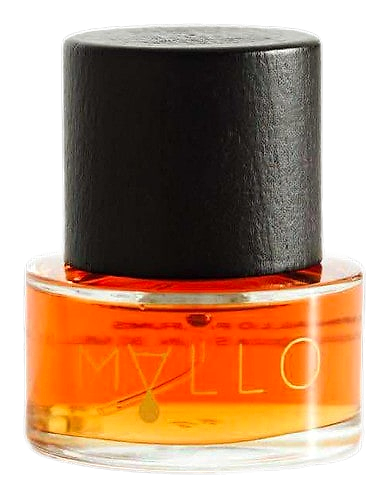
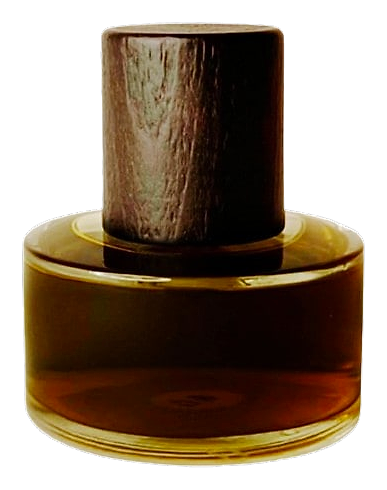
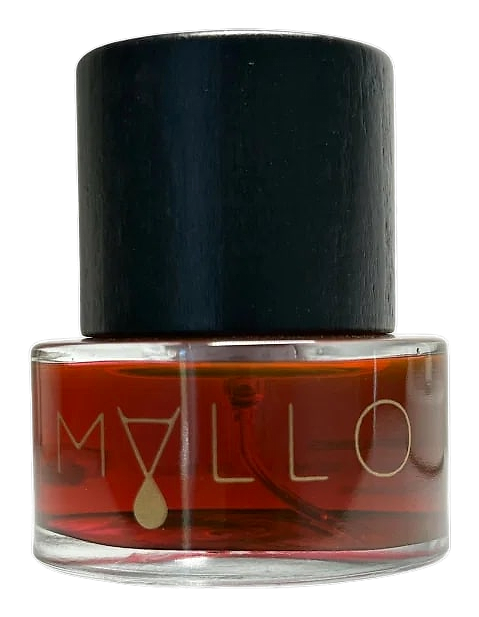
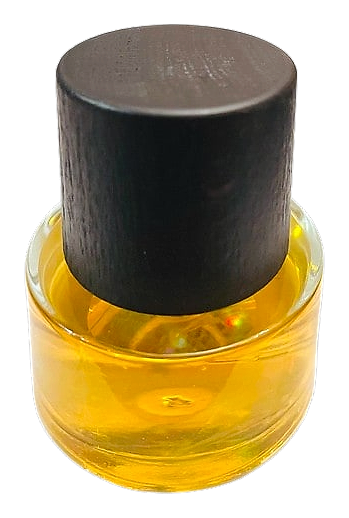
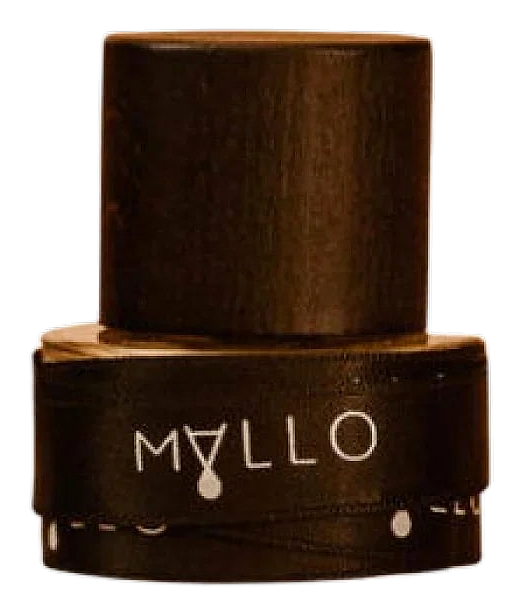
INK emerged from a partnership between Mallo and Japanese tattoo artist GAKKIN, aiming to bottle the permanent, visceral sensation of fresh tattoo ink. Perfumer Antonio Lasheras, working with Rajesh Balkrishnan, translated that concept into a 2024 launch that skips fragrance convention entirely. Rather than romanticizing tattooing, Lasheras isolated the precise sensory reality of carbon-black ink meeting warm skin, the immediate, striking impact that has defined skin-marking traditions across cultures for centuries.
The note philosophy behind INK treats Ink not as a novelty ingredient but as thestructural anchor around which every other material orbits. Raspberry was chosen specifically to cut through the darkness with playful tartness, preventing the composition from becoming grim or purely austere. Sandalwood provides the necessary warmth to balance Ink's mineral coldness. Frankincense, Oud, Labdanum, and Oakmoss each contribute complex resinous and woody dimensions, creating a heart that rewards patience. The fragrance name acts as both literal descriptor and conceptual statement, this is not a fragrance inspired by tattoos but one that uses tattoo ink as its primary aromatic material.
The evolution
Rather than progressing through distinct phases, INK makes a single, bold declaration from application to fade. At the opening, there is no preamble, the carbon-derived ink note arrives instantly, colliding with the bright tartness of Raspberry. Styrac softens the stark beginning with benzoin-like warmth. As the heart develops, Sandalwood marries with Oud to create a creamy-woody depth, while Frankincense, Labdanum, and Oakmoss layer in smoky, resinous, and earthy dimensions. The inky core remains ever-present, threading through every variation the heart offers until the final hours.
Cultural impact
Since its 2024 debut, INK has resonated with a generation of creators who see fragrance as an extension of visual art. The ink‑inspired accord taps into the cultural fascination with tattoo aesthetics, while the raspberry top note evokes the pop‑culture revival of retro candy colors. Social media buzz highlighted how the scent’s smoky depth mirrors the gritty realism of street art, prompting discussions about authenticity in both scent and visual mediums. Collectors have cited INK as a conversation starter at gallery openings, and its limited‑edition status has spurred a secondary market where enthusiasts trade bottles as collectible art pieces, reinforcing the perfume’s role as both olfactory and cultural artifact.