The Story
Why it exists.
The beginning
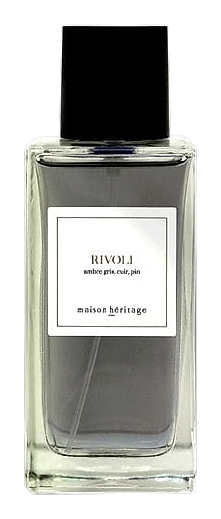
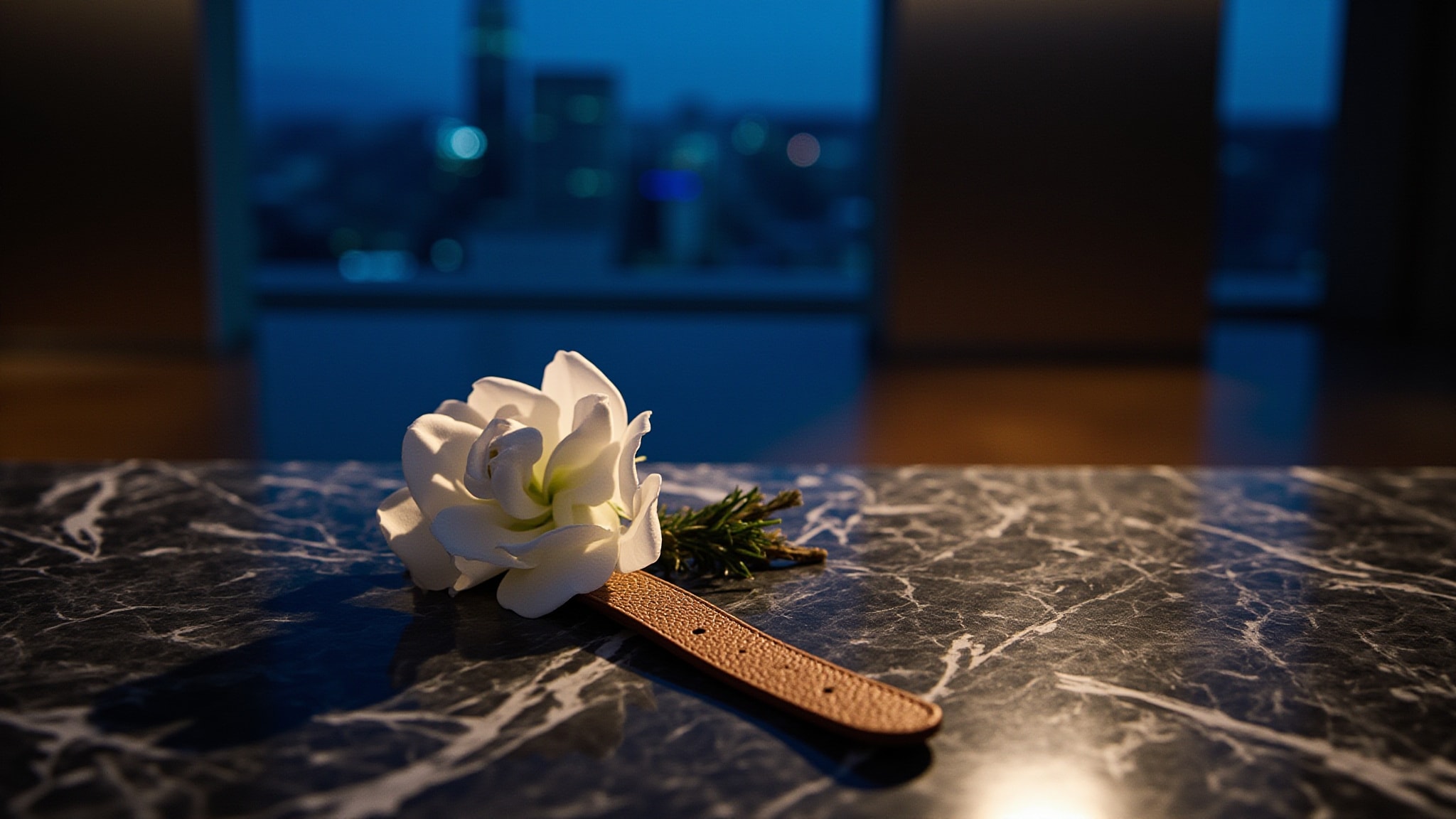
Rivoli takes an unlikely set of materials and makes them argue beautifully on skin. Tuberose brings the opulence, a dense and heady floral that typically hides behind its own sweetness. Here it doesn't get to. Iodine cuts in with a mineral sharpness, the kind of bracing salt-air note that makes you check whether you're smelling the fragrance or the room around it. Leather anchors the whole thing, not a polished saddle leather but something drier, more architectural, like the scent a city leaves on skin after walking through it for hours. The composition doesn't aim for prettiness. It aims for something stranger and more alive, the feeling of a place that has weight and weather and history colliding in real time.
Most florals hide their teeth. Rivoli doesn't. The tuberose here carries a salt-sting rather than the usual creamy sweetness, pulled sideways by iodine and held upright by a leather-pine skeleton. There's a solar note running underneath that doesn't read as bright or citrusy in the traditional sense. It reads as radiant, the kind of warmth that builds slowly rather than announcing itself, the way a stone wall holds heat long after the sun has moved. The mineral and floral materials refuse to behave like separate acts in a perfume.
The evolution
The opening is a dare. Iodine hits sharp and almost metallic, sitting on the skin with the bracing clarity of cold salt air. Then the tuberose unspools, not as a bouquet but as a single thick petal dragged through something briny, accented by a green-pine resin thread that slices cleanly through any sweetness trying to gather. As the composition warms against skin, the leather arrives properly, dry and patinated, folding into the floral rather than sitting alongside it. The solar note intensifies through this middle phase, lifting everything into an inner glow rather than a bright opening, the kind of radiance that builds from depth rather than citrus sparkle. In the later hours the ambergris starts its quiet work.
Cultural impact
Rivoli sits in a quiet corner of niche perfumery, a composition that wears its florals differently than most. Wearers tend to describe it less by individual notes and more by the mood it builds, layered and shifting rather than linear, a scent that rearranges itself depending on how close you get. It's a fragrance for people who already know what tuberose smells like and want to experience it from an unexpected angle. The iodine note in particular tends to provoke strong reactions, dividing listeners between those who find it bracing and those who find it almost too vivid. That polarizing quality has become part of its identity.
The House
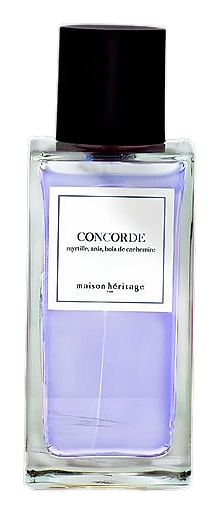
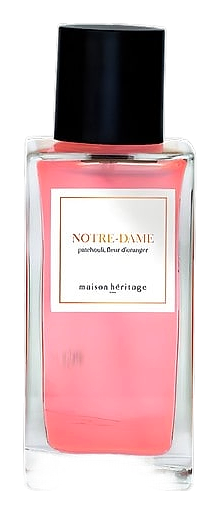
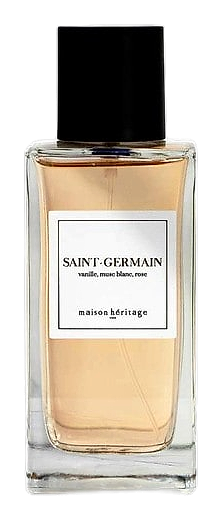
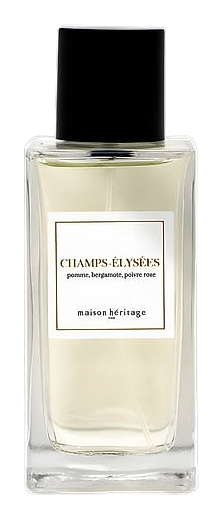
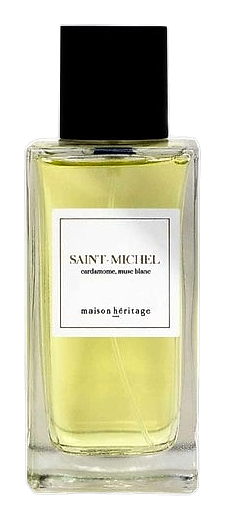
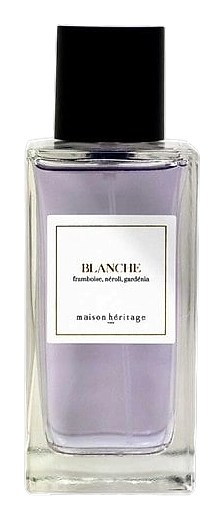
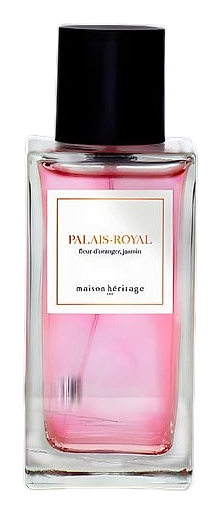
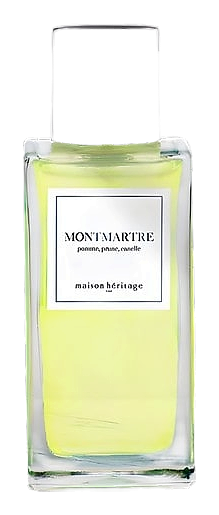
Maison HéritageMaison Héritage is a Paris‑based niche perfume house that translates the city’s historic sites into scented narratives. Since its launch, the brand has built a catalogue of fragrances named after landmarks such as Champs Élysée, Tuileries, Notre Dame and Palais Royal. Each scent aims to capture the atmosphere of its namesake, offering wearers a portable piece of Parisian heritage. The line includes both masculine and feminine compositions, and the brand works with perfumers like Nejla Barbir, whose creation Blanche blends raspberry, neroli and gardenia. Maison Héritage positions itself as a bridge between classic French perfumery and contemporary storytelling, inviting collectors to explore the capital’s past through aroma.
The Creator
Nejla BarbirBarbir favors a structured approach, building compositions layer by layer. She often starts with a clear mineral or aromatic anchor, then weaves in floral or resinous heart notes that add depth.