




The Heritage
The Story of Maison Héritage
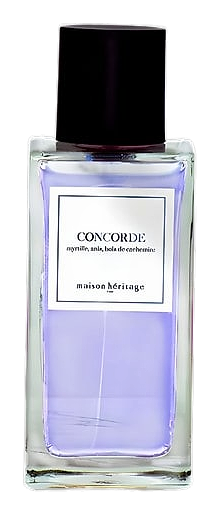
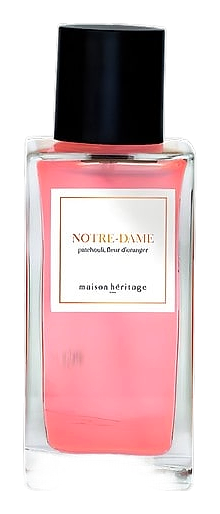
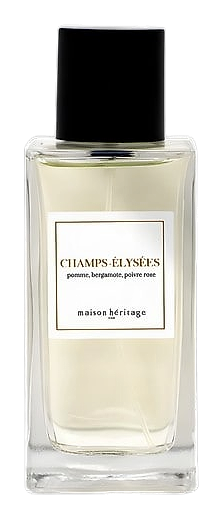
Maison Héritage is a Paris‑based niche perfume house that translates the city’s historic sites into scented narratives. Since its launch, the brand has built a catalogue of fragrances named after landmarks such as Champs Élysée, Tuileries, Notre Dame and Palais Royal. Each scent aims to capture the atmosphere of its namesake, offering wearers a portable piece of Parisian heritage. The line includes both masculine and feminine compositions, and the brand works with perfumers like Nejla Barbir, whose creation Blanche blends raspberry, neroli and gardenia. Maison Héritage positions itself as a bridge between classic French perfumery and contemporary storytelling, inviting collectors to explore the capital’s past through aroma.
Heritage
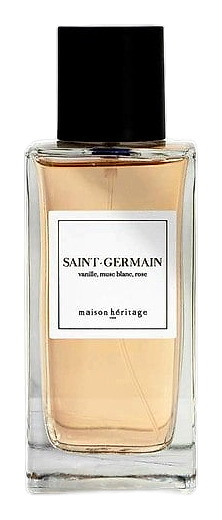
The story of Maison Héritage begins in Paris in 2014, when a group of fragrance enthusiasts and entrepreneurs decided to create a house that would celebrate the city’s architectural and cultural legacy. The founders, whose names appear in French business registries, chose the name “Héritage” to signal a commitment to preserving and re‑interpreting historic moments in scent form. The first collection arrived in 2015, featuring a limited edition inspired by the Avenue des Champs‑Élysées, a boulevard that has hosted royal processions, military parades and fashion shows for more than two centuries. Early press coverage highlighted the brand’s focus on narrative‑driven perfume, a concept that resonated with a niche audience seeking depth beyond fleeting trends. In 2018 the house expanded its portfolio with scents named after the Tuileries Gardens and the historic Notre Dame cathedral. The Notre Dame fragrance was released shortly before the 2019 fire, and the brand later issued a statement that the scent would serve as an olfactory tribute to the cathedral’s resilience. By 2020 Maison Héritage introduced Blanche, a feminine perfume crafted by perfumer Nejla Barbir, whose brief cites raspberry, neroli and gardenia as its core notes. Blanche marked the brand’s first collaboration with a named nose, a move that attracted attention from fragrance journalists. 2021 proved to be a prolific year: the house launched a suite of landmark‑inspired fragrances including Palais Royal, Saint Michel, Saint Germain, Opera, Rivoli and Vendôme. Each launch was accompanied by a modest press kit that included historical anecdotes, archival photographs and details about the ingredients sourced for the composition. The rapid output demonstrated the house’s capacity to translate multiple sites into scent within a single year, a feat noted by independent reviewers. Throughout its evolution, Maison Héritage has maintained a modest production scale, favoring small‑batch releases over mass distribution. The brand’s headquarters remain in the 9th arrondissement of Paris, where a modest laboratory and packaging studio operate alongside a boutique showroom. By 2023 the house reported distribution through select specialty retailers in Europe, North America and Asia, but it has avoided large‑scale department‑store contracts, preferring curated environments that align with its heritage‑focused narrative.
Craftsmanship
The production process at Maison Héritage blends traditional French techniques with modern quality controls. Raw materials arrive at the Paris laboratory after rigorous testing for purity; natural absolutes such as jasmine or oakmoss are verified by gas chromatography to ensure consistency. The house then employs a cold‑macération method for many of its floral accords, allowing delicate petals to release their aroma over several weeks. Synthetic aroma chemicals are used sparingly, primarily to stabilize volatile top notes and to achieve the precise tonal balance required for each landmark scent. Once a formula is approved, the blend is transferred to a stainless‑steel mixing tank where it matures for a period ranging from two weeks to three months, depending on the composition. During this time, master blenders monitor the evolution of the scent, adjusting ratios as needed. The final perfume is filtered through a 0.2‑micron membrane to remove any particulate matter before bottling. Bottle filling occurs in a climate‑controlled environment to prevent temperature‑induced shifts in the fragrance. Each bottle is sealed with a hand‑finished cap, and the packaging includes a matte‑finished box printed with archival images of the corresponding Parisian site. Quality assurance includes a blind panel test where trained noses evaluate the finished product against the original brief. Only batches that meet the house’s sensory standards proceed to market. The brand also maintains a small reserve of each fragrance for future re‑releases, ensuring that the scent profile remains unchanged over time. Ingredient sourcing reflects a commitment to ethical practices. Neroli oil, a frequent component in the house’s compositions, is purchased from cooperatives in Tunisia that provide fair wages and support local beekeeping. Citrus extracts come from Sicilian orchards with documented organic certification. When natural ingredients are unavailable, the house works with reputable chemical manufacturers that follow REACH regulations, guaranteeing that synthetics are safe for skin contact.
Design Language
Visually, Maison Héritage adopts a minimalist yet refined language that mirrors the elegance of Parisian architecture. Bottles are crafted from clear, high‑quality glass with clean, straight lines; the silhouette resembles a slender column, evoking the façades of historic buildings. Each label is printed in a subtle charcoal typeface, and the name of the landmark appears in gold foil, providing a quiet contrast that catches the eye without overwhelming the design. Caps are either brushed metal or polished pewter, chosen to complement the scent’s character – for example, the Vendôme bottle features a gold‑tone cap that hints at the square’s regal past. The outer packaging continues the theme of understated luxury. Boxes are made from thick, matte paper in muted tones such as ivory, slate or deep navy, each adorned with a faint line drawing of the associated site. Inside, a thin vellum insert offers a brief historical note, turning the unboxing experience into a mini‑lecture on Parisian heritage. The brand’s visual identity extends to its digital presence: the website uses a grid layout with high‑resolution photographs of the landmarks, accompanied by concise copy that avoids hyperbole. Social media posts often pair a scent’s silhouette with archival images, reinforcing the narrative link between perfume and place. Overall, the aesthetic conveys a sense of timelessness, inviting collectors to view each bottle as both a fragrance and a decorative object that can sit alongside books or art pieces in a personal space.
Philosophy
Maison Héritage believes that perfume can act as a historical document, preserving the scent of a place and moment for future generations. The brand’s creative brief asks each perfumer to research the architecture, art and social life surrounding a landmark before formulating a scent. This research‑first approach grounds the olfactory work in concrete details rather than abstract inspiration. Sustainability also features in the house’s values; ingredients such as neroli are sourced from farms that adhere to fair‑trade practices, and the brand seeks to minimize waste by using recyclable glass for its bottles. Transparency is another pillar: product pages list the primary notes, the perfumer’s name (when applicable) and the country of origin for key raw materials. Maison Héritage does not claim to reinvent perfumery, but it strives to keep the tradition of storytelling alive, offering collectors a sensory map of Paris that can be experienced without a passport.
Key Milestones
2014
Maison Héritage is founded in Paris by a collective of fragrance entrepreneurs seeking to honor the city’s historic sites through scent.
2015
First fragrance, Champs Élysée, launches, marking the brand’s entry into the niche market.
2018
Tuileries and Notre Dame are released, expanding the portfolio to include garden and cathedral inspirations.
2020
Blanche, created by perfumer Nejla Barbir, debuts and becomes the first Maison Héritage scent credited to a named nose.
2021
A major wave of releases adds Palais Royal, Saint Michel, Saint Germain, Opera, Rivoli and Vendôme to the collection.
2023
Maison Héritage opens a boutique showroom in the 9th arrondissement, offering personalized scent consultations.
At a Glance
Brand profile snapshot
Origin
France
Founded
2014
Heritage
12
Years active
Collection
1
Fragrances released
Avg Rating
4.3
Community sentiment


