The Story
Why it exists.
The beginning
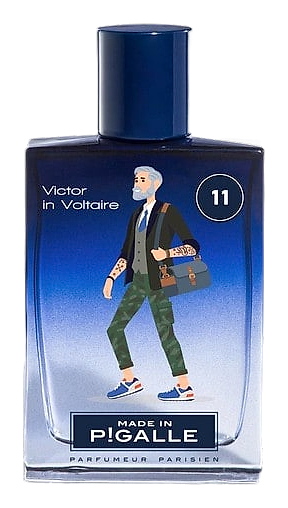
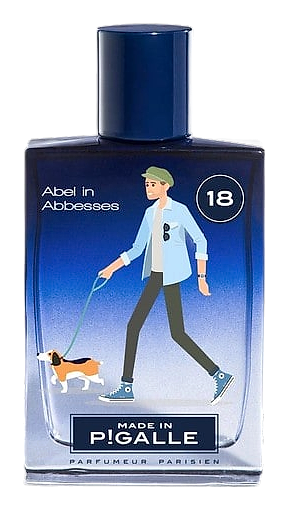
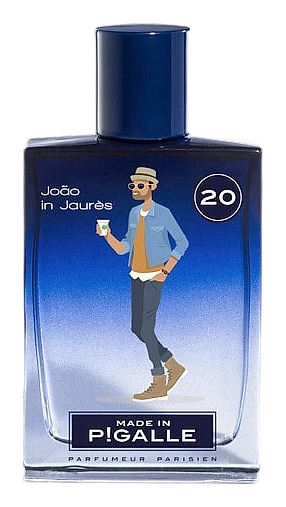
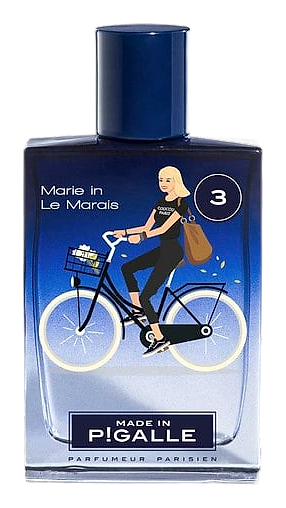
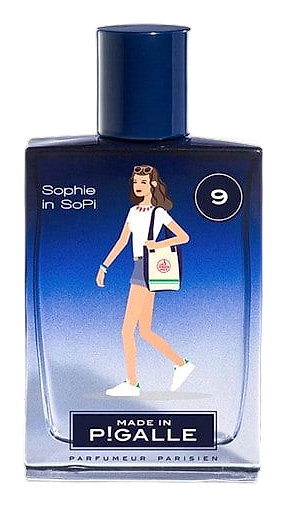
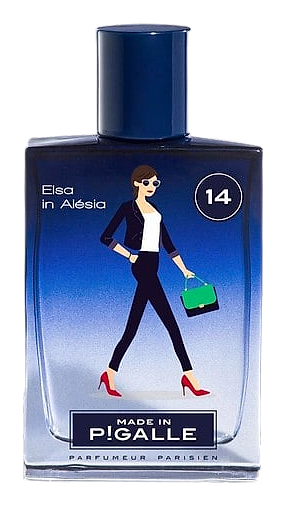
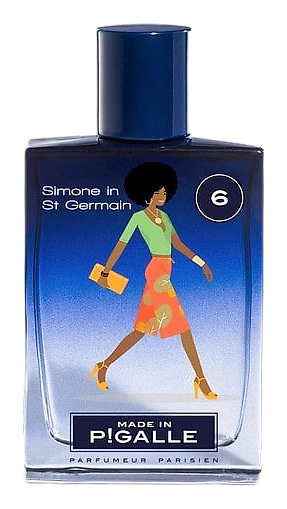
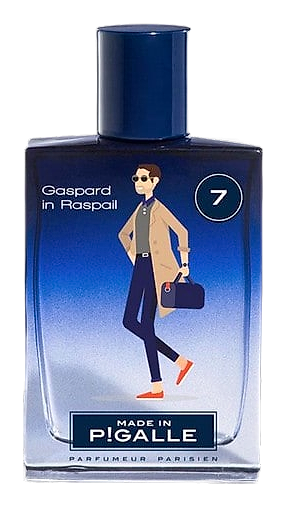
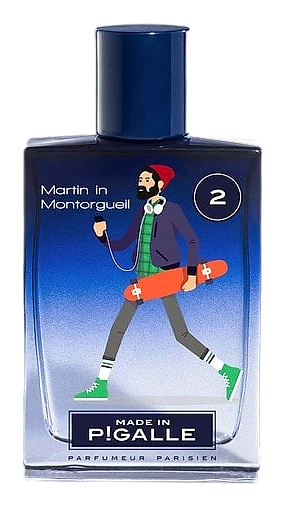
Martin In Montorgueil arrived in 2017 as part of Made In Pigalle's numbered fragrance range, with each fragrance carrying a character-based name. Martin is presented through a woody, green composition that feels contemplative yet fresh. The structure opens with fig leaf, then settles into cedar, patchouli, fig wood, sandalwood, labdanum, and white musk. Green fig leaf gives the opening its clearest lift, while the woods introduce a drier, grounded character. As the fragrance develops, the brighter leafy quality softens into a warmer blend of creamy fig, textured cedar, smooth sandalwood, and faint earthy patchouli. Martin is character number 2.
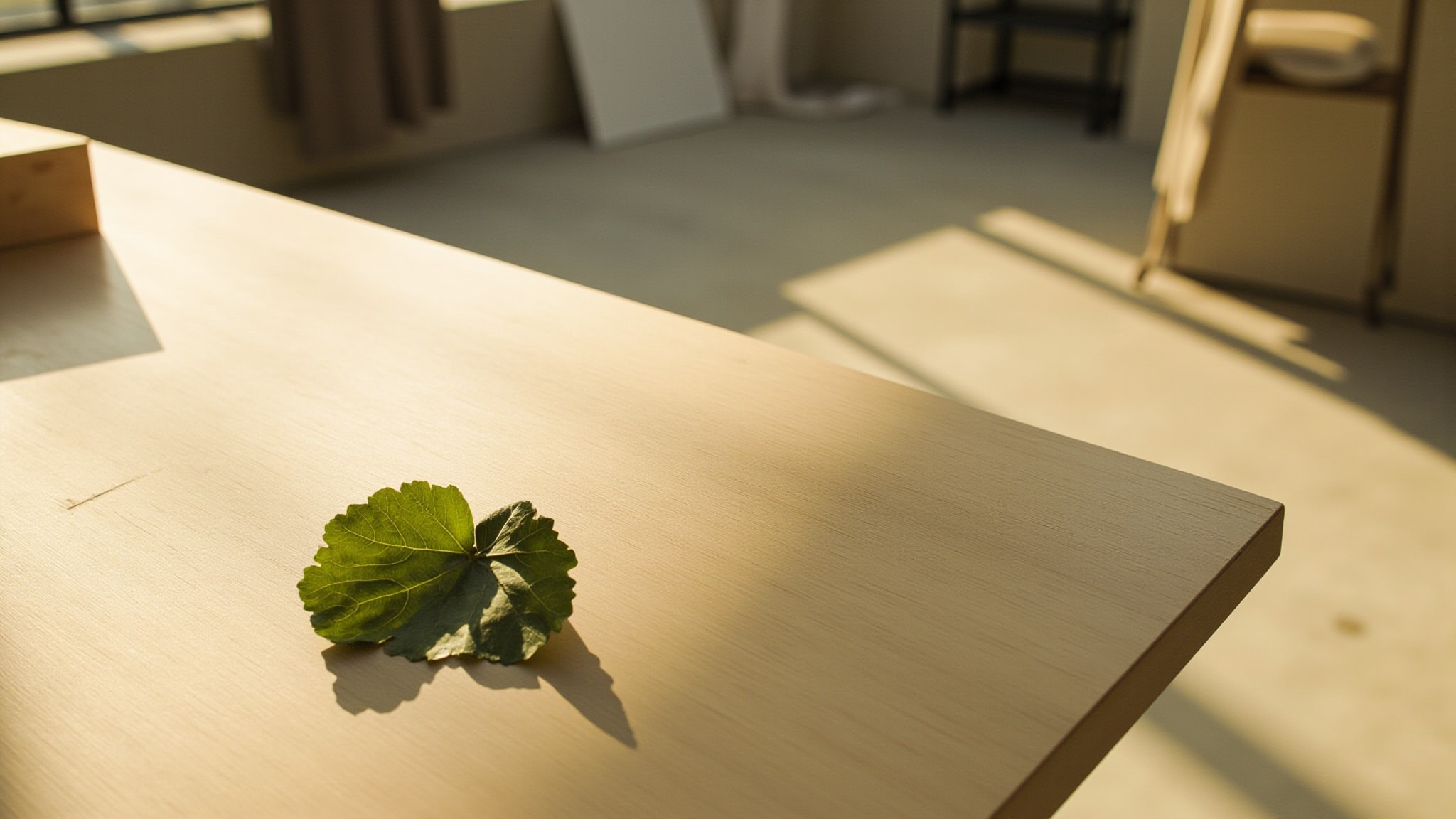
The choice of fig over more conventional openings is what sets Martin apart. Greek fig leaf carries a bitterness, a lactonic greenness that's closer to snapped stems and milky sap than to ripe fruit. Layering it against fig wood in the heart, rather than letting it be the whole story, gives the composition a vertical structure. The creaminess comes from below, from sandalwood and labdanum, while patchouli anchors the whole thing earthward. It's a fig that knows it's standing in a garden, not in a dessert.
The evolution
The first fifteen minutes belong entirely to the fig leaf, and it's the loudest the fragrance ever gets. Bright, green, slightly bitter, with a milky undertone that reads almost vegetal. Around the thirty-minute mark, cedar begins to surface, dry and grainy, and the fig loses its sharpness and turns creamier. Patchouli arrives underneath like a shadow, adding a faint dusty-earth warmth without displacing the woods. By hour two, the heart is settled: fig wood, cedar, and sandalwood all speaking at once, powdery and smooth, with patchouli lingering beneath them. The drydown past hour four is where labdanum and white musk take over, and this is where Martin becomes its quietest self. A clean, warm, slightly resinous skin scent that lingers on clothes the next morning. As the hours pass, the composition keeps its woody center while becoming softer, smoother, and more transparent on skin.
Cultural impact
Martin In Montorgueil moves through a restrained green-woody register. Fig leaf gives it an opening that is bright, vegetal, and slightly bitter, while cedar, fig wood, and sandalwood build a dry, textured middle. Patchouli adds an earthy layer beneath the woods, and labdanum gives the later stages a warm, resinous character. White musk softens the drydown into a clean, close finish. Together, the notes create a composition that can be explored through its changing balance: green at first, woody through the heart, and warm and musky as it settles.