The Story
Why it exists.
The beginning
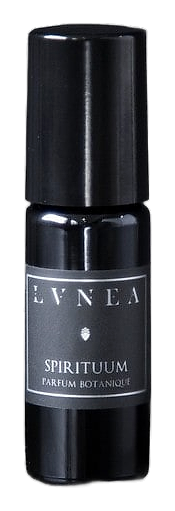
Spirituum arrives from Lvnea's Montreal studio, where brand owner and perfumer April Engloner, also known as April Lea, builds each composition as a chapter in a larger folklore. The name itself points straight at the source: spirituum, a Latinate word carrying the weight of spirit, breath, and sacred essence. The brand's own verse sets the frame: "In sacred resin, moss of oak, engulfed in myrrh and galbanum, this chypre breathes to each around, the copal power of the ground." It reads less like marketing and more like a working note from the perfumer's bench. April Lea makes Lvnea's fragrances by hand in small batches at the Montreal studio, favoring the slow rituals of traditional perfumery over industrial shortcuts.
What makes Spirituum interesting isn't any single note. It's the structural decision to build a chypre almost entirely from resin and moss. Galbanum and oakmoss carry the green architecture, while copal, myrrh, and labdanum stack into a resinous heart that reads closer to incense than perfume. Patchouli anchors everything in earth. The result is a chypre that descends from the old lineage (one wearer compared it directly to Vol de Nuit) but speaks a different dialect, built on the slow, weighty materials of apothecary tradition.
The evolution
The first fifteen minutes are the greenest the scent will ever be. Galbanum arrives sharp, almost bitter, the way crushed leaves smell when you tear them between your fingers, and it briefly fools you into thinking this will be an herbal cologne. It won't. Copal and myrrh push in from below, warming the galbanum into something resinous and slightly sweet, and oakmoss settles underneath like damp bark. As the composition develops, it moves fully into chypre territory: mossy, earthy, quietly smoky, with the labdanum now doing most of the work. There's no sharp transition into drydown because Spirituum was never sharp to begin with. What changes is the distance. The scent draws inward as the hours pass, settling closer to the skin rather than projecting outward.
Cultural impact
Spirituum holds an interesting position in the contemporary fragrance landscape because it commits fully to a classical chypre structure built on resin and moss. One reviewer described it as a "modern chypre descended from Vol de Nuit," capturing the sense that the composition is in conversation with an older tradition while remaining distinctly its own thing. Reviews for the fragrance reference dark, mineral earth, cannabis, and incense, painting a picture of a scent that evokes raw, elemental places rather than polished ones. It doesn't try to compete with the sweeter, brighter releases that dominate current fragrance culture.