The Story
Why it exists.
The beginning
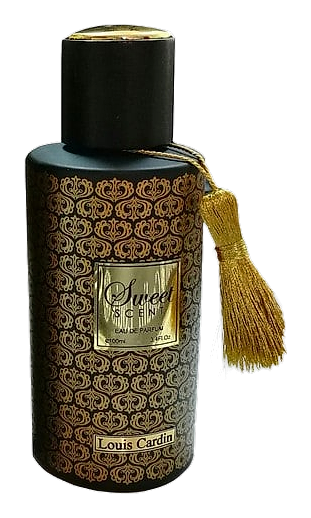
Louis Cardin built its name on precision, watches first, then fragrances in 2011, treating scent like a well-engineered movement where every component serves the whole. Sweet Scent emerged in 2016 as the house's argument that femininity doesn't have to be light or fleeting. The name is the thesis: not guarded sweetness, not polite sweetness, but a scent that wears its warmth openly. Rose and saffron anchor the opening, a deliberate choice to lead with brightness before the warmth arrives.
What makes the note structure work is how the heart delays gratification. Praline and sandalwood don't rush the rose; they wait for the saffron's heat to establish itself first, then arrive as something creamy and grounded. The base is where Louis Cardin's watchmaker thinking shows: guaiac wood and oud aren't decorative, they give the sweetness structure. Without them, this would be another gourmand. With them, it holds.
The evolution
The opening hits bright and dry, rose and saffron arriving together, neither one waiting for the other. There's an immediate warmth here, but it's mineral warmth, like sunlight on stone. Within twenty minutes, the praline surfaces. Creamy. Soft. The rose hasn't left, it's just sharing space now. The heart phase lasts longest on skin, a slow build of sweetness that never becomes heavy because the patchouli and sandalwood keep pulling it earthward. By hour three, the drydown arrives. Vanilla and oud settle close, wrapped in guaiac wood's smoky quiet. This is when Sweet Scent becomes intimate, present but not announced, staying on skin through dinner and beyond.
Cultural impact
Sweet Scent arrived in 2016 during a period of rapid growth in the Middle Eastern fragrance market, when regional consumers increasingly sought luxury scents that blended Western sweetness with Eastern depth. Louis Cardin's house positioned this fragrance as a bridge between these aesthetic worlds, combining French rose and Persian saffron with warm woody bases familiar to Gulf region preferences. The 2016 release coincided with rising demand for designer fragrances that could compete with niche houses without niche pricing. Sweet Scent tapped into a growing demographic of younger consumers in urban centers across the Middle East, North Africa, and South Asia who valued warmth and projection in their fragrances.