
The Story
Why it exists.
The beginning
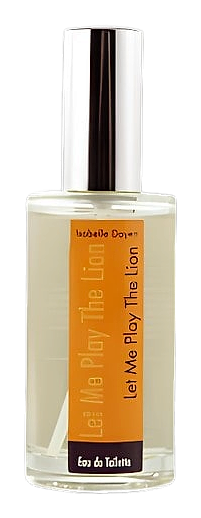
Les Nez, an independent house known for its conceptual approach to perfumery, conceived Let Me Play the Lion as part of a thematic exploration of animal archetypes and primal identity. The title carries the weight of a stage direction, the kind of imperative command a director whispers to an actor before the curtain rises. It borrows its phrasing from a passage in one of Shakespeare's plays, where a creature of the woods is offered a moment of rehearsal as something fiercer than itself, a small part made to feel monumental through sheer force of language. The brand has spoken about the fragrance in those same terms, treating the act of naming as a creative gesture that frames the bottle before a single accord has been mixed.
The composition leans on a scaffolding of amber resins layered against a deep, quiet woodiness, with incense threading through and a constellation of spices giving every step a faint warmth. Rather than chasing brightness, the perfumer aimed for something that reads as candlelit rather than sunlit, the kind of scent that seems to pull light inward instead of throwing it outward. On skin, the early accord feels dense and almost architectural, then slowly opens into softer territory as the hours pass.
The evolution
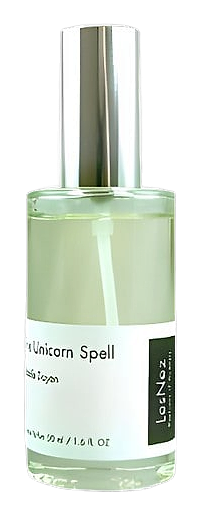
Since its debut, Let Me Play the Lion has held a quiet but persistent place in the Les Nez lineup, a piece that recurs in conversation whenever collectors talk about the house's more theatrical work. Its 50 ml EDP format has remained the flagship presentation, and wearers tend to describe the scent in terms of mood as much as notes, returning to it for the way it shifts the temperature of a room rather than fills it. Within niche circles, the fragrance continues to surface in discussions of animal archetype and identity-driven scent, often appearing alongside other so-called 'beast-mode' compositions that prize presence over polish. Wearers speak of it with something close to affection, describing the way its incense and spice settle into clothing hours after application, returning the next day as a soft, warming trace.
Cultural impact
Let Me Play the Lion has earned a recurring mention in niche fragrance conversations centered on animal archetype and identity-driven composition, the kind of dialogue where a bottle becomes shorthand for a whole aesthetic stance. Enthusiasts frequently place it among the more theatrical animalic entries in the independent space, using it as a reference point when discussing scents built around posture and presence rather than freshness or sweetness.
The House
Les NezLes Nez is a Swiss niche fragrance house founded by designer René Schifferle, distinguished by its uncompromising approach to perfumery as an artistic practice. The brand occupies a singular position in contemporary fragrance culture, producing a deliberate, small collection of scents that prioritize conceptual rigor over commercial appeal. Each fragrance emerges from Schifferle's vision and collaboration with notable independent perfumers including Isabelle Doyen and Sandrine Videault, resulting in perfumes that challenge conventional olfactory categories. The house rejects the香水 industry's emphasis on mass appeal, instead cultivating a devoted following among collectors who value intellectual depth and olfactory complexity. Les Nez fragrances are distinguished by their unexpected juxtapositions, architectural structure, and a certain conceptual wit that rewards attentive wearers. The brand operates with deliberate restraint, releasing new compositions infrequently to maintain the integrity of each artistic statement.
The Creator
Isabelle DoyenIsabelle favors a transparent structure that lets each ingredient speak. She builds foundations with classic French absolutes—jasmine, rose, and labdanum—then weaves in unexpected accents such as smoked cedar, ambergris, or a hint of metallic ion.