The Story
Why it exists.
The beginning
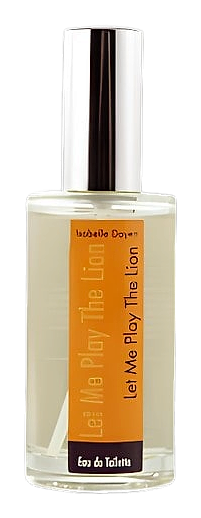
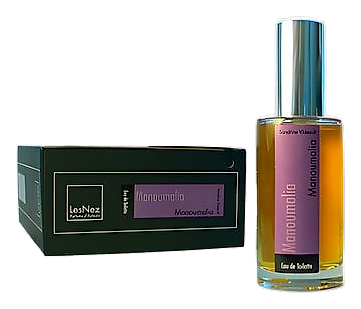
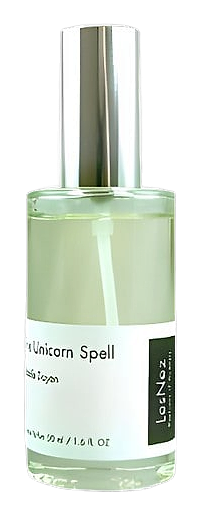
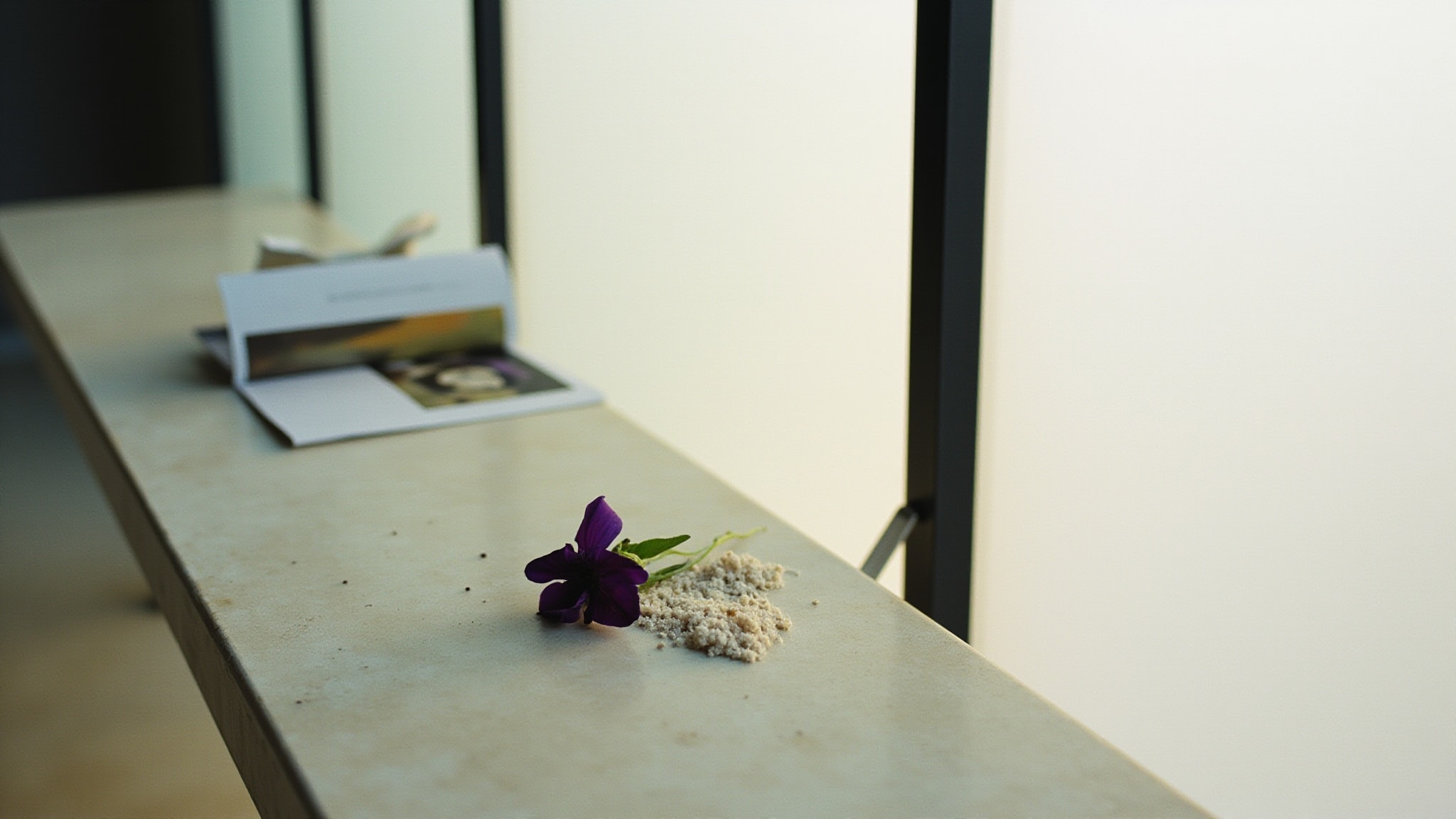
Isabelle Doyen built The Unicorn Spell around a single image: a violet on a cold, frosty morning, waiting for the sun to reach it with its first warm ray. That tension between chill and tenderness is the entire brief. Released in 2006, it arrived as one of Les Nez's earliest compositions, a quiet statement of what the house wanted violet to mean. The opening reads cold and patient, a flower holding its color against the morning. You catch the green of the leaf and stem before the flower itself, and when the violet arrives it doesn't bloom so much as it persists, staying tight, cool, slightly damp. There's no confectionery softening here, no rounded amber base to make the flower easier. The name carries that fairy-tale register without ever slipping into sweetness.
What's unusual here is the deliberate restraint. Three named elements, green notes, violet, woodsy notes, doing all the work. No sugar, no amber scaffolding, no gourmand scaffolding to make the violet more palatable. The green is vegetative rather than sharp, the kind of green you get from crushed leaves and wet stems, the smell after rain in a wooded garden. Pairing it with violet, a flower that already reads cool and powdery, gives the composition a monochrome tension: cool green over cool purple, neither warming the other.
The evolution
The opening is sharp and almost aggressive in its greenness, crushed stem, wet earth, the metallic chill of air right before sunrise. The violet emerges from underneath, not candied, not cosmetic, but powdery and alive, the way real violets smell in shade. The heart phase is where the composition settles into its true register: a quiet, almost monochrome landscape of green-floral against cool wood, like walking through a glade where the light hasn't changed yet. As the hours pass, the violet sweetens slightly, and reviewers have noted it gains a tea-like quality that wasn't present at the start. The woodsy notes deepen beneath it, anchoring the composition without ever turning warm or resinous. The drydown is subtle, a soft, vegetal musk that clings to skin through the day. On fabric the next morning, there's a faint ghost of violet and green stem, barely there, more memory than scent.
Cultural impact
The Unicorn Spell sits among violet fragrances that treat the flower as a cool, vegetative presence rather than a candy note or a cosmetic shorthand. Wearers describe it as the scent of early spring before the season has committed, or the smell of a forest floor where violets actually grow. It appeals to people who want their florals unsweetened and their greens undecorated. The composition holds its chill from first spray to last trace, never softening into the powdery warmth that so many violet scents lean toward. There's a quiet stubbornness to it, a refusal to round itself off, and that's exactly what draws the people who love it.
The House
Les NezLes Nez is a Swiss niche fragrance house founded by designer René Schifferle, distinguished by its uncompromising approach to perfumery as an artistic practice. The brand occupies a singular position in contemporary fragrance culture, producing a deliberate, small collection of scents that prioritize conceptual rigor over commercial appeal. Each fragrance emerges from Schifferle's vision and collaboration with notable independent perfumers including Isabelle Doyen and Sandrine Videault, resulting in perfumes that challenge conventional olfactory categories. The house rejects the香水 industry's emphasis on mass appeal, instead cultivating a devoted following among collectors who value intellectual depth and olfactory complexity. Les Nez fragrances are distinguished by their unexpected juxtapositions, architectural structure, and a certain conceptual wit that rewards attentive wearers. The brand operates with deliberate restraint, releasing new compositions infrequently to maintain the integrity of each artistic statement.
The Creator
Isabelle DoyenIsabelle favors a transparent structure that lets each ingredient speak. She builds foundations with classic French absolutes—jasmine, rose, and labdanum—then weaves in unexpected accents such as smoked cedar, ambergris, or a hint of metallic ion.