The Story
Why it exists.
The beginning
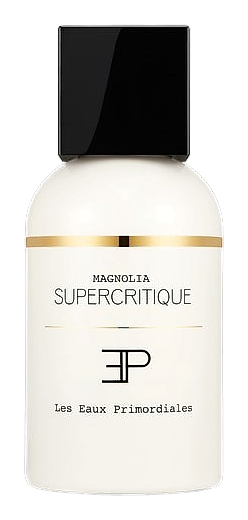
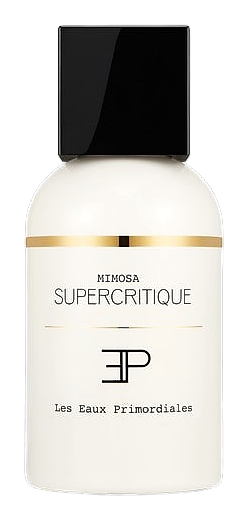
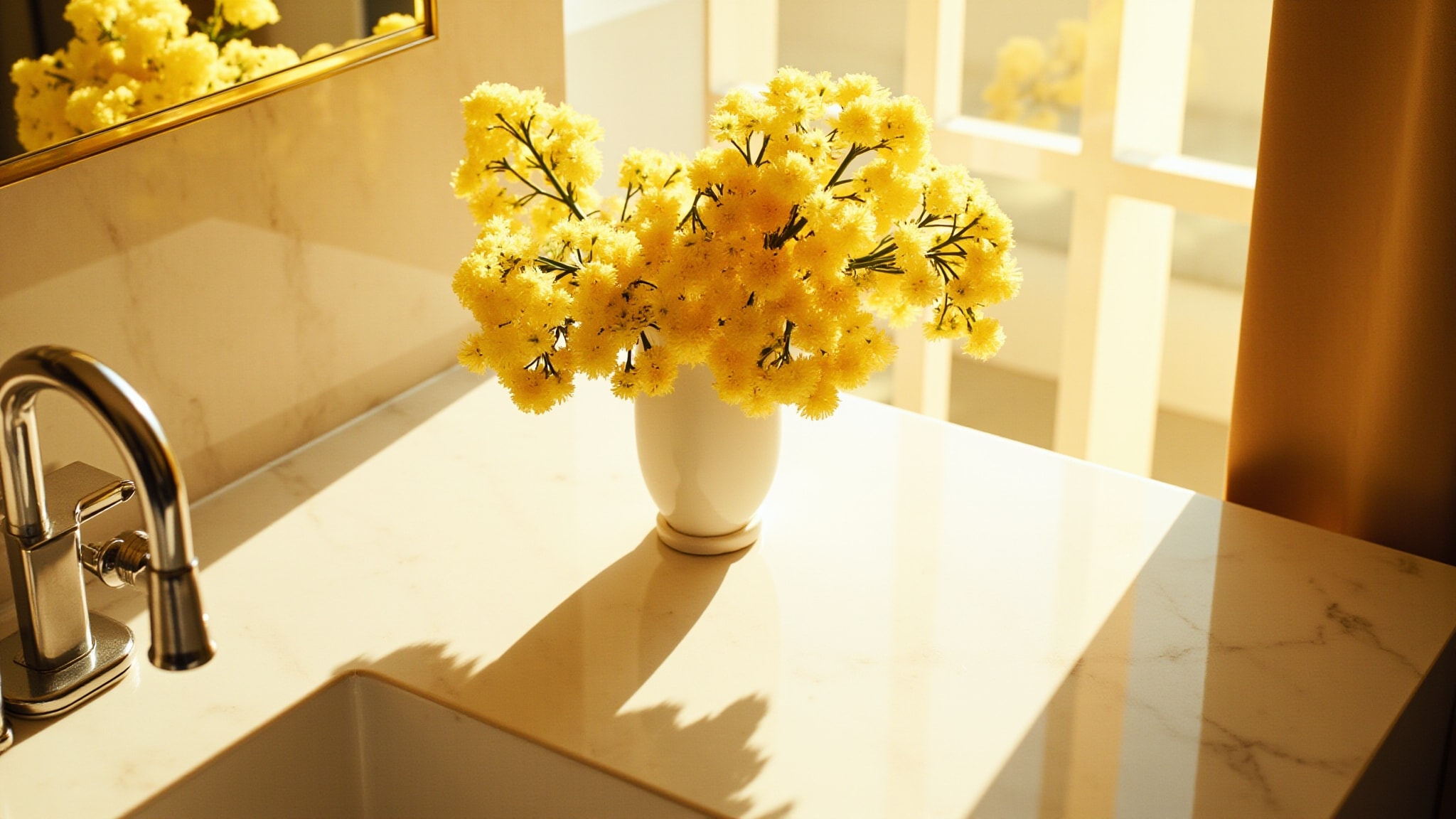
The concept arrived from a single image: a Mediterranean wedding at winter's end, when the last snowflakes land on mimosa in bloom like clouds of icing sugar. Bergamot and neroli announce the bride's arrival, beautiful and naive in white. Cyclamen and orange blossom hint at curves wrapped in purity. Jasmine and tuberose escape the bouquet, spring, finally breaking through. For Amélie Bourgeois and Arnaud Poulain, the challenge was taking that picture and making it tangible. Mimosa in perfumery tends to stay in the background, a softening agent, a bridge between sharper notes. Placing it at the center required something to hold the composition together without tipping into sweetness. The aldehydes became the answer: cool, slightly metallic, they give the florals structure and keep the powdery warmth from ever feeling cloying. What you smell is the whole flower, not just its shadow.
Mimosa carries a paradox that makes it difficult to work with: it's simultaneously sweet and slightly bitter, powdery and bright. The flower itself has a fuzzy, almost furry quality on the stem, green and resinous, while the bloom reads as golden and warm. Capturing both requires a perfumer who can hold two opposing ideas at once. Bourgeois and Poulain solve this by surrounding the mimosa rather than overpowering it. The aldehydes provide an airy, almost champagne-like lift that lets the yellow floral breathe without turning heavy. The white florals in the heart, tuberose, jasmine, orange blossom, share a creamy texture that harmonizes with the mimosa's own softness.
The evolution
The first minutes belong to the aldehydes. They arrive bright and slightly sharp, that metallic, champagne-bubble quality that lifts everything else off the skin. Bergamot and neroli come along for the ride, citrus and white flower dancing together at the top of the composition. It reads clean, a little cold, like the first breath of winter air through an open window. By the twenty-minute mark, the white florals take over. Tuberose pushes forward first, creamy, almost lactonic, followed by jasmine and orange blossom in quick succession. The cyclamen from the opening lingers in the background, a faint green chord that keeps the florals from feeling too sweet. This is the heart of the fragrance: full, soft, unmistakably feminine without being precious. The base arrives quietly. Mimosa finally steps forward as the other florals recede, that powdery, slightly resinous quality becomes the dominant impression. White musk adds a clean skin-like quality, and ambroxan provides a quiet warmth that extends the drydown for hours.
Cultural impact
Mimosa Supercritique occupies a quiet but distinct corner of the niche market, positioned for the wearer who finds typical white florals too loud and wants something that works through subtlety rather than volume. The house itself attracts those drawn to the intersection of scientific curiosity and emotional storytelling. While the fragrance hasn't received major press coverage, it has found its audience among collectors who appreciate the aldehydic approach to mimosa, a flower more often used as a supporting note than a centerpiece. The Supercritique series overall is where the house experiments with intensity, and Mimosa demonstrates that precision and delicacy aren't opposites.