
The Story
Why it exists.
The beginning
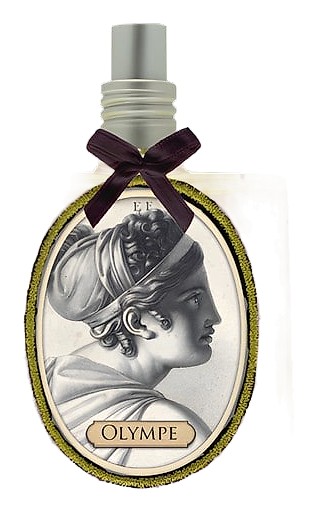
Olympe landed in 2011 as part of Les Cakes de Bertrand. This particular fragrance does something few fig compositions attempt. Where most reach for the fruit, Olympe reaches for the tree. The references describe it plainly: the smell of the fig tree. Not fig jam, not fig leaf candy, not the photogenic Mediterranean dessert note. The bark, the sap, the shade it casts. A green and woody composition that treats fig as architecture rather than ingredient. The name sits within a catalog that includes other monikers, but what matters here is what the juice does on skin. It opens with the green snap of snapped stems, the kind of vegetal sting that clears the back of your throat. Then it settles into something denser, warmer, a woody thickness that reads as bark and pith.
Fig compositions tend to split into two camps. The first goes sweet: fig leaf absolute rendered creamy, lactonic, almost coconut-adjacent. The second goes green: the raw, almost rubbery snap of a freshly snapped leaf. Olympe lives in both and somehow resolves the tension. The sources list both Fig and Fig Tree as notes, and the accords described include woody, green, and powdery character. This places the fragrance in uncommon territory for a fig-centric release, where most compositions commit to one pole or the other. The sweetness here behaves differently than in typical lactonic fig work.
The evolution
The opening arrives without fanfare. Fig tree, green and slightly resinous, like breaking a twig on a hot afternoon. No sharp citrus to announce itself, no spicy overture. Just plant matter, sun-warmed, within the first 10 minutes. The lactonic undertone is already present, lending a milky smoothness beneath the green so the opening reads as living material rather than crushed leaf. Around the 30-minute mark, the heart settles. The greener edges of the fig soften into something rounder, more powdery. The sap impression deepens. There's a faint sweetness here, but it behaves like humidity rather than sugar, the kind of sweetness that lives in warm air under a canopy. By the one-hour mark, the woody character described in the accords becomes fully legible. The composition shifts from its initial green sharpness into a denser, more textured phase where the fig tree note carries the weight.
Cultural impact
Olympe occupies a specific and somewhat rare position in the fig-fragrance conversation. The sources describe it as smelling of the fig tree, a reference that situates the composition away from the more common fig-and-fruit territory and toward something more vegetal, more architectural. For wearers who find most fig fragrances too sweet or too obvious, Olympe offers a quieter alternative. It asks for patience and rewards proximity, qualities that distinguish it from louder or more decorative takes on the fig note.